
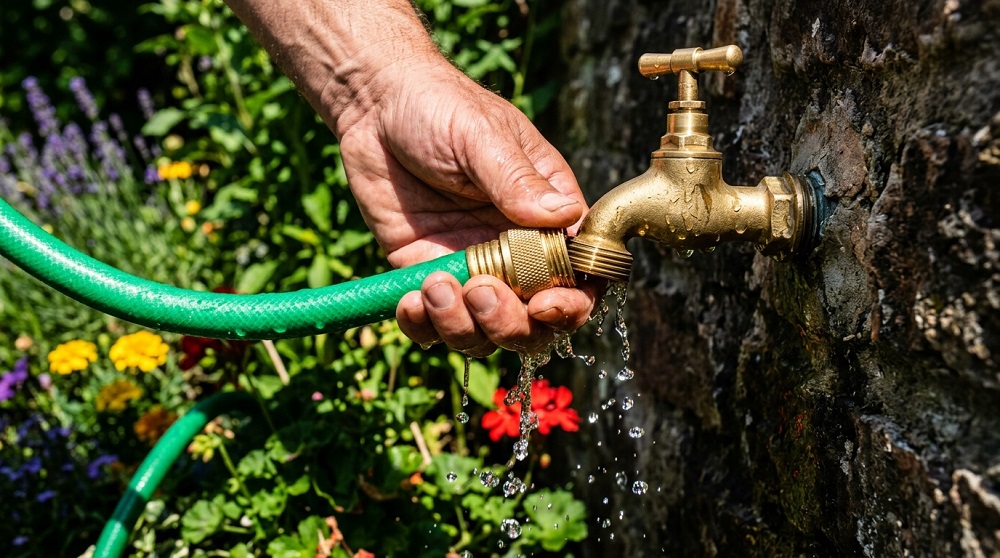
Most costly home repairs start as small, ignorable issues — a slow drip, a clogged gutter, a filter nobody’s changed in a year. A modest routine of regular maintenance catches these early, often for the cost of an afternoon instead of a contractor’s invoice.
- Monthly Tasks
- Check and Replace HVAC Filters
- Test Smoke and Carbon Monoxide Detectors
- Inspect Under Sinks for Leaks
- Seasonal Tasks
- Clean Gutters and Downspouts
- Inspect the Roof
- Service Heating and Cooling Systems
- Check Exterior Caulking and Weatherstripping
- Annual Tasks
- Flush the Water Heater
- Inspect the Foundation
- Test Sump Pumps
- Deep Clean and Inspect the Chimney
- Ongoing Vigilance
- Watch for Small Signs Early
- Keep a Simple Maintenance Log
- Small, Regular Effort Beats Big, Rare Fixes
Monthly Tasks
Check and Replace HVAC Filters
A clogged filter forces the system to work harder, raises energy bills, and shortens the equipment’s lifespan. Checking monthly and replacing every one to three months, depending on use and filter type, is one of the cheapest habits that prevents expensive HVAC repairs.
Test Smoke and Carbon Monoxide Detectors
A quick monthly button test confirms detectors are working, and batteries should be replaced at the first sign of a low-battery chirp rather than left until they fail completely.
Inspect Under Sinks for Leaks
Small leaks under sinks often go unnoticed until they’ve caused water damage to cabinetry or flooring. A brief monthly check for dampness or mineral buildup around pipe connections catches problems early.
Seasonal Tasks
Clean Gutters and Downspouts
Clogged gutters direct water toward the foundation rather than away from it, risking basement leaks and foundation damage over time. Cleaning them at least twice a year — more often near overhanging trees — prevents this before it becomes a structural issue.
Inspect the Roof
A visual check for missing, cracked, or curling shingles, ideally each spring and autumn, catches minor damage before it turns into a leak. Binoculars from the ground are often enough; a full inspection doesn’t always require climbing up.
Service Heating and Cooling Systems
Scheduling professional servicing before each heating and cooling season keeps the system running efficiently and catches minor issues before they cause a mid-season breakdown.
When heating or cooling systems show signs of wear, addressing unexpected performance drops promptly can help avoid complete system failures. Homeowners seeking professional assistance for HVAC repair in Elk Grove can ensure their equipment receives proper diagnostic checks, which supports ongoing system efficiency and maintains consistent indoor comfort throughout seasonal changes.
Regular evaluations often help catch early component wear or airflow restrictions before they compromise system efficiency. Homeowners scheduling routine inspections for their hvac equipment can ensure consistent indoor temperatures and prevent unexpected disruptions during peak weather demand.
Regular professional checkups help protect major home components and keep indoor environments comfortable throughout changing weather conditions. Homeowners looking to better understand system care can learn this here now to discover practical tips on maintaining indoor heating equipment and keeping household systems functioning properly.
Beyond basic filter changes and routine inspections, dealing with sudden cooling problems promptly helps maintain indoor comfort and prevents minor mechanical faults from causing larger system failures. Relying on a professional Air conditioning repair service ensures that hidden airflow or electrical issues are addressed correctly, keeping energy bills stable and extending the overall life of your equipment.
Regular professional inspections ensure that key components like coils, electrical connections, and ductwork remain in good working order throughout the year. Relying on an experienced local contractor such as E. Smith Heating & Air Conditioning helps preserve system efficiency, supporting consistent indoor comfort and preventing sudden equipment failures during extreme weather.
Check Exterior Caulking and Weatherstripping
Gaps around windows and doors let in drafts and moisture. A seasonal check, particularly before winter, keeps the home’s seal against weather intact.
Annual Tasks
Flush the Water Heater
Sediment builds up in a water heater tank over time, reducing efficiency and shortening its lifespan. An annual flush clears this buildup and is a manageable DIY task for most homeowners comfortable with basic plumbing.
Inspect the Foundation
A yearly walk around the home’s foundation, checking for new cracks or shifts, catches structural issues while they’re still minor and inexpensive to address.
Test Sump Pumps
If the home has a sump pump, testing it before the rainy season confirms it will actually work when needed — a pump that’s failed silently is only discovered during the flood it was meant to prevent.
Deep Clean and Inspect the Chimney
Homes with fireplaces need an annual chimney inspection and cleaning to clear creosote buildup, a significant fire risk that accumulates gradually and isn’t visible without a proper check.
Ongoing Vigilance
Watch for Small Signs Early
A slightly higher water bill, a faint musty smell, a door that suddenly sticks — these small signals often indicate a developing problem long before it becomes visible or urgent. Taking them seriously when they first appear is usually far cheaper than waiting.
Keep a Simple Maintenance Log
A basic record of what’s been done and when — filter changes, servicing dates, repairs — makes it easier to spot patterns, plan ahead, and avoid the guesswork of trying to remember when something was last checked.
Small, Regular Effort Beats Big, Rare Fixes
None of these tasks require specialist skill, and most take under an hour. Homeowners who build them into a simple monthly and seasonal rhythm consistently avoid the larger, far more expensive repairs that come from problems left unnoticed for too long.