
- Key Takeaways
- Table of Contents
- 1. Warning Signs of a Sewer Line Problem
- 2. Why a Camera Inspection Comes First
- Inspection Details to Request
- 3. Four Common Sewer Line Repair Options
- Spot Repair
- Pipe Lining
- Pipe Bursting
- Open-Trench Replacement
- 4. When Trenchless Methods May Fit
- 5. When Open-Trench Replacement Makes Sense
- 6. Cost Factors Beyond the Initial Quote
- 7. Questions to Ask Before Work Begins
- 8. Simple Ways to Reduce Future Sewer Problems
Key Takeaways
- Repeated backups, gurgling fixtures, sewer odors, and unusually wet ground can indicate a sewer line issue.
- A camera inspection helps identify the location and condition of a problem before a repair method is selected.
- Spot repairs, pipe lining, pipe bursting, and open-trench replacement each suit different pipe and property conditions.
- On Oahu, homeowners should consider access, landscaping, concrete, driveways, retaining features, and restoration needs alongside the repair price.
- A written estimate should explain the diagnosis, repair scope, permitting responsibilities, restoration work, and warranty terms.
Table of Contents
- Warning Signs of a Sewer Line Problem
- Why a Camera Inspection Comes First
- Four Common Sewer Line Repair Options
- When Trenchless Methods May Fit
- When Open-Trench Replacement Makes Sense
- Cost Factors Beyond the Initial Quote
- Questions to Ask Before Work Begins
- Simple Ways to Reduce Future Sewer Problems
A sewer line problem can quickly disrupt daily life in an Oahu home, especially when wastewater backs up through a shower, tub, or floor drain. Before assuming that a major excavation is necessary, homeowners can compare options such as trenchless sewer line replacement on Oahu with more traditional approaches based on the actual condition of the pipe.
The best choice is rarely based on one factor alone. A repair plan should account for what the inspection reveals, how the sewer line runs beneath the property, whether access is limited by paving or landscaping, and whether the existing pipe can support a trenchless method.
1. Warning Signs of a Sewer Line Problem
A clogged sink or a slow shower drain may be a localized fixture or branch-drain issue. When several fixtures act up at once, the concern may be farther down the line. Watch for toilets that gurgle while other fixtures drain, recurring clogs after routine clearing, sewage appearing at a lower fixture, persistent odors, or damp areas along the suspected sewer route.
These signs do not confirm one specific defect. Roots, grease buildup, a damaged fitting, an offset joint, or a collapsed section can produce similar symptoms. Avoid choosing a repair method based on surface clues alone.
2. Why a Camera Inspection Comes First
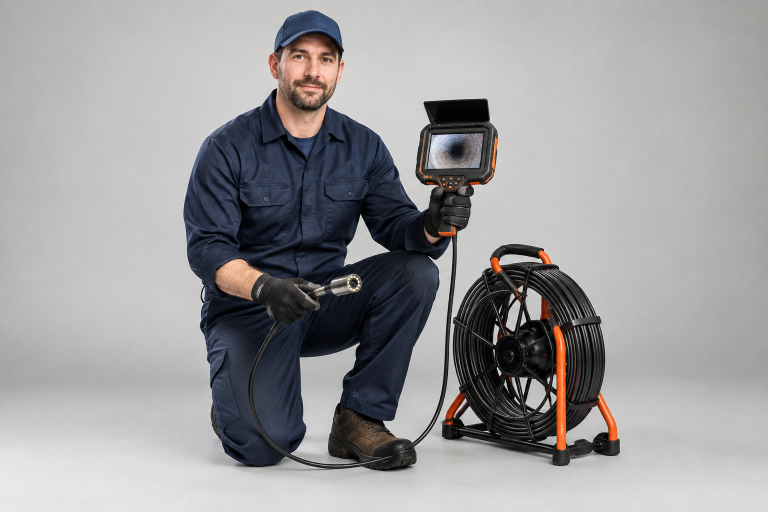
After a blockage is cleared enough for the camera to pass, a video inspection can help locate defects and show pipe conditions such as root intrusion, cracks, corrosion, separated joints, buildup, low spots that retain water, or a collapsed section. It gives the homeowner evidence to review before agreeing to a major project.
Inspection Details to Request
- A copy of the video or clear images from the inspection.
- The approximate location, depth, and length of each concern.
- The pipe material and visible condition of the surrounding sections.
- A written explanation of whether cleaning, repair, or replacement is recommended.
Camera findings also make estimates easier to compare. Seattle Public Utilities notes that its side sewer repair method comparisons include different solutions for isolated defects, longer damaged runs, and projects where surface disruption matters.
3. Four Common Sewer Line Repair Options
Spot Repair
A spot repair addresses a short, clearly defined damaged area. Crews excavate at the defect, remove the failed section, and install new pipe. This can be practical when the remainder of the sewer line appears structurally sound, and the work area is accessible.
Pipe Lining
Cured-in-place pipe lining places a resin-saturated liner inside the existing pipe. The liner is expanded and cured to create a new interior pipe surface. Lining may be an option when the original pipe still has a usable path and shape, but it is not appropriate for every collapse, major misalignment, or slope problem.
Pipe Bursting
Pipe bursting replaces the old line by pulling a new pipe through its route while breaking apart and displacing the old pipe. It commonly requires access pits at the beginning and end of the replacement path, which may reduce the amount of continuous excavation across a yard.
Open-Trench Replacement
Open-trench replacement exposes the line directly so crews can remove and replace it. Although it can affect more of the property surface, it gives the installer full access to correct serious damage, alter the route when needed, or address a line that does not drain at the proper slope.
4. When Trenchless Methods May Fit
Trenchless work can be appealing for Oahu properties where a sewer route passes beneath a driveway, patio, landscaped area, or other finished surface. It may fit when there is adequate access, the pipe route is workable, the line does not need a major size change, and local requirements allow the method.
“Trenchless” does not mean that no digging occurs. Lining may require access through a cleanout or other entry point, while pipe bursting generally needs excavation pits. Portland explains that cured-in-place pipe lining is used for short and long pipe runs that do not need to be upsized, illustrating why pipe condition and project goals must be evaluated together.
5. When Open-Trench Replacement Makes Sense
Direct excavation may be the clearest solution when a pipe has fully collapsed, contains severe offsets, has a deep low area that holds wastewater, or needs a route or grade correction. It can also be necessary when the existing line is too distorted for a liner or replacement pipe to pass through reliably.
Before approving open-trench work, ask how excavation could affect lawns, rock walls, irrigation, walkways, concrete, landscaping, and access around the home. Restoration should be clearly listed in the estimate rather than treated as an afterthought.
6. Cost Factors Beyond the Initial Quote
Two sewer repair estimates may differ for valid reasons. The total scope can be affected by:
- Pipe length, depth, diameter, and material.
- The type and severity of the damage.
- Equipment access and space for excavation pits.
- Permits, inspections, traffic control, or utility coordination.
- Temporary wastewater bypass needs.
- Removal and restoration of concrete, asphalt, soil, plants, or flooring.
Compare the full project, not only the first number on the proposal. Consider expected service life, disruption to the property, including restoration, warranty coverage, and whether the proposed method addresses the underlying defect.
7. Questions to Ask Before Work Begins
- What is causing the problem, and where is it located?
- Can I receive the inspection video and a written diagnosis?
- Which pipe sections need work, and why?
- Why is this repair method preferred over the alternatives?
- How much digging and surface restoration should I expect?
- Who will handle permits, inspections, and scheduling?
- What water-use limits will apply during the repair?
- What labor and material warranties are included?
8. Simple Ways to Reduce Future Sewer Problems
Good habits cannot prevent every sewer failure, but they can reduce avoidable blockages. Flush only toilet paper and human waste, keep grease and wipes out of drains, maintain accessible cleanout caps, and investigate recurring backups instead of repeatedly clearing them. If trees or large shrubs are near the sewer route, ask whether roots are contributing to the problem.
For Oahu homeowners, a calm, evidence-based decision can protect both the plumbing system and the property above it. Start with a clear inspection, compare repair methods honestly, and choose the option that best balances reliable drainage, practical access, restoration needs, and long-term value.