
- Key Takeaways
- Why Seasonal HVAC Care Matters
- The Four-Part HVAC Maintenance Calendar
- Spring Checklist: Prepare for Cooling Season
- Summer Warning Signs That Should Not Be Ignored
- Fall Checklist: Get Heating Equipment Ready
- Winter Checks for Safe and Steady Heating
- What a Professional HVAC Tune-Up Should Include
- How Filters Affect Airflow and Energy Use
- DIY Tasks and Professional Tasks
- Reasonable Homeowner Tasks
- Tasks Best Left to a Qualified Technician
- When Repair Makes More Sense Than Replacement
- A Simple HVAC Record-Keeping System
- Conclusion
Key Takeaways
- Seasonal HVAC checks can help identify small problems before heavy heating or cooling demand begins.
- Regular filter checks, open vents, thermostat testing, and outdoor-unit cleanup support steady airflow.
- Professional maintenance should address safety, electrical components, drainage, airflow, and equipment performance.
- Unusual odors, leaks, ice, repeated shutdowns, and major comfort changes deserve prompt attention.
Heating and cooling systems work hardest when outdoor temperatures are at their most demanding. A simple maintenance routine can help homeowners protect comfort, notice changes in performance, and avoid waiting until a breakdown becomes urgent. Keeping notes and scheduling service through a consistent plan, such as https://servicefirst-hvac.com/maintenance-plans/, can make seasonal upkeep easier to manage. Maintenance does not guarantee that equipment will never need repair, but it gives homeowners a practical way to catch visible issues early. It also helps ensure that routine tasks, including filter changes and drain checks, are not forgotten during the busiest times of year.
Why Seasonal HVAC Care Matters
Your HVAC system relies on airflow, controls, clean components, and proper operation to heat or cool the home effectively. Restricted airflow, dirty filters, blocked outdoor equipment, and drainage problems can make the system work harder than necessary. The maintenance checklist for heating and cooling equipment from ENERGY STAR recommends pre-season checkups and regular attention to filters, thermostat settings, and condensate drainage.
The Four-Part HVAC Maintenance Calendar
A year-round schedule keeps the workload manageable. Think of maintenance in four seasonal stages:
- Spring: Prepare the air conditioner or heat pump for the cooling season.
- Summer: Watch for airflow, moisture, and temperature-control problems.
- Fall: Prepare the furnace or heating system before colder weather arrives.
- Winter: Monitor heating consistency, unusual sounds, and safety concerns.
Spring Checklist: Prepare for Cooling Season
Before the first extended hot spell, complete a basic visual check of the cooling system. Replace or inspect the air filter, confirm that supply and return vents are open, and test the thermostat in cooling mode. Remove leaves, grass clippings, and loose debris from around the outdoor unit without bending fins or opening electrical panels.
- Look for standing water near the indoor unit or condensate drain line.
- Check visible insulation on refrigerant lines for obvious damage.
- Listen for new rattling, grinding, or buzzing sounds when the system starts.
- Make sure furniture, rugs, and curtains are not blocking registers or return grilles.
Homeowners should not handle refrigerant, test live electrical components, or remove sealed equipment panels without appropriate training.
Summer Warning Signs That Should Not Be Ignored
An air conditioner can keep running even when something is wrong. Pay attention to weak airflow, rooms that remain warm, frequent short cycling, water around the indoor equipment, ice on refrigerant lines, musty or burning odors, and a noticeable change in operating noise. A higher utility bill can also be a reason to investigate if household usage has not changed. Turn the system off and seek professional help if you see ice, smell something burning, notice a persistent leak, or experience repeated shutdowns. Continuing to run equipment under those conditions may worsen the underlying problem.
Fall Checklist: Get Heating Equipment Ready
Before regular heating begins, replace the filter if it is dirty or overdue, test the thermostat in heating mode, and make sure registers are clear. Keep paint, gasoline, paper, storage boxes, and other flammable items away from furnaces and other heat-producing equipment.
- Schedule a professional heating inspection after a long idle period.
- Note delayed ignition, weak airflow, unusual burner sounds, or repeated cycling.
- Check that accessible venting and equipment areas are free of stored items.
- Review the owner’s manual for maintenance requirements specific to the system.
Winter Checks for Safe and Steady Heating
During heating season, watch for cold rooms, frequent cycling, dry or dusty airflow, strange odors, and unexpected increases in fuel or electricity use. These signs do not identify a single cause, but they are useful details to share with a technician. Carbon monoxide safety requires immediate action. The Consumer Product Safety Commission advises households to leave the home and call emergency services if a carbon monoxide alarm sounds. Test alarms according to the manufacturer’s instructions, and do not re-enter until emergency responders say it is safe.
What a Professional HVAC Tune-Up Should Include
The exact work depends on the equipment type, age, manufacturer requirements, and whether the home uses a furnace, boiler, central air conditioner, heat pump, or another system. A qualified technician may review:
- Airflow, temperature performance, and system cycling
- Electrical connections, controls, and thermostat operation
- Filters, coils, blower components, and condensate drainage
- Refrigerant performance and visible signs of leakage
- Motors, belts, bearings, and other moving parts where applicable
- Safety controls, combustion components, and venting for fuel-burning equipment
- Visible ductwork concerns and accessible insulation gaps
How Filters Affect Airflow and Energy Use
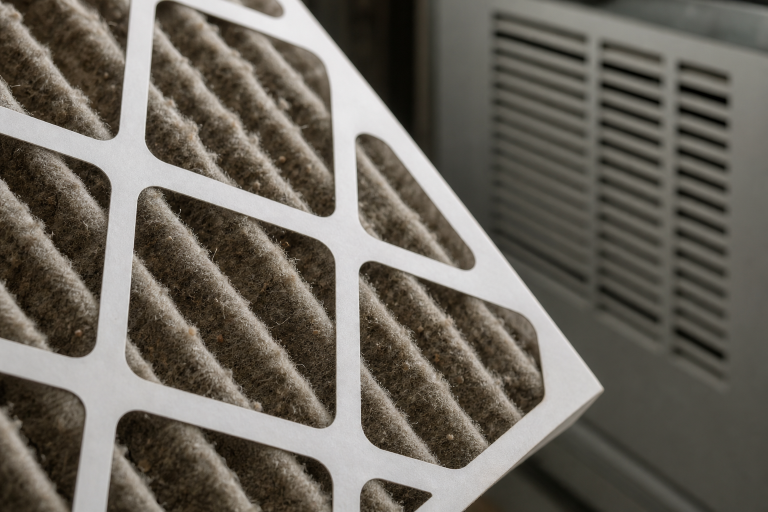
A dirty filter can slow airflow and force the system to run longer to move heated or cooled air through the home. Filter needs vary by household, especially when pets, allergies, renovation dust, or heavy seasonal use are involved. Check the filter monthly, and replace it when it appears dirty or according to the manufacturer’s directions. ENERGY STAR recommends changing disposable filters at least every three months.
DIY Tasks and Professional Tasks
Reasonable Homeowner Tasks
- Changing filters and checking thermostat batteries
- Keeping vents and return grilles clear
- Removing loose debris from around the outdoor unit
- Watching for leaks, odors, sounds, and uneven temperatures
- Maintaining a record of service visits and filter sizes
Tasks Best Left to a Qualified Technician
- Electrical testing and repairs
- Refrigerant diagnosis, recovery, or charging
- Combustion, gas-pressure, and carbon monoxide testing
- Internal coil cleaning and major drainage repairs
- Motor, capacitor, compressor, control board, or duct-leakage work
When Repair Makes More Sense Than Replacement
Consider the equipment’s repair history, the cost of the current repair, available parts, comfort problems, energy performance, and warranty coverage. Age matters, but it should not be the only deciding factor. Ask for a written diagnosis, an explanation of the recommended work, and options that compare repair with replacement.
A Simple HVAC Record-Keeping System
Keep service dates, filter sizes, model and serial numbers, warranty details, invoices, and technician recommendations in one place. A short maintenance record can reveal repeat issues and make future repair or replacement decisions more informed.
Conclusion
HVAC maintenance does not need to be complicated. Seasonal checks, clean filters, clear outdoor equipment, working alarms, and timely professional inspections can help homeowners respond to problems before comfort is disrupted. Homeowners can also watch for changes in airflow, unusual sounds, inconsistent temperatures, water around equipment, or longer-than-usual operating times, as these may indicate that a system needs attention. Keeping vents and return grilles unobstructed can support proper airflow, while regular filter checks can help prevent avoidable restrictions. It is also useful to keep maintenance records, including service dates, repairs, filter changes, and warranty information. The most useful plan is one that fits the home, the equipment, the household’s needs, and the local climate. A consistent approach can make it easier to identify developing concerns, schedule professional service when needed, and keep heating and cooling equipment operating as expected throughout the year.