Top 5 Advantages of Servo-Electric Press Brakes in Modern Manufacturing
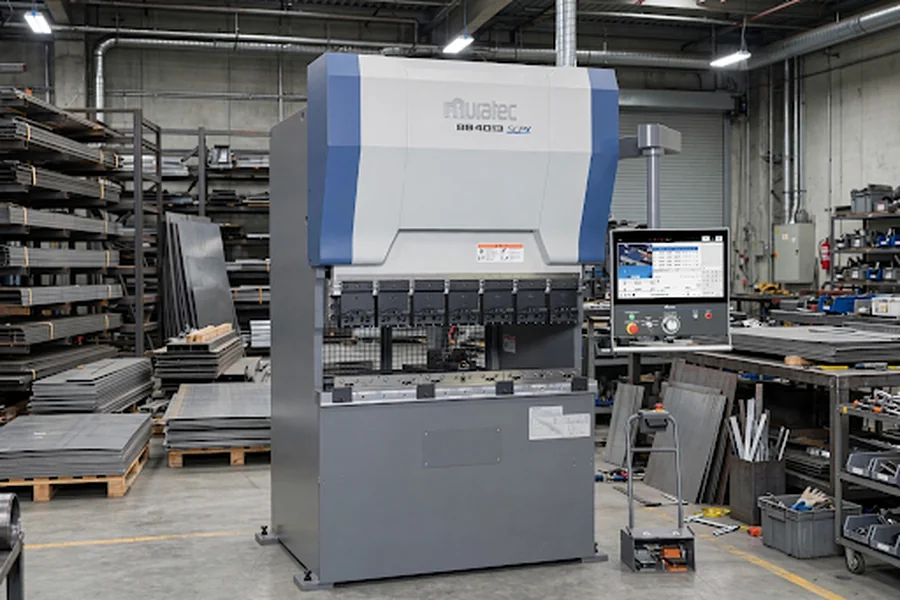
Increasing costs and shorter deadlines are challenges experienced at metalworking shops. Hydraulic press brakes that have been around for a long time consume power and require a lot of maintenance. Using electric servo motor technology, modern servo electric press brakes can put an end to this situation. This change brings real gains in cost, quality, and speed. Companies such as CNC Hydraulic Press Brakes Manufacturer- MIHARMLE are leading this shift with advanced machine designs. Below are the five key advantages driving workshops to make the switch.
Servo-Electric Press Brakes Slash Energy Consumption
The running costs of any fabrication shop include energy, one of the largest. Hydraulic Press Brakes operate their pumps continuously throughout the day. The pump is working even when the machine is not running “in between the jobs”. This is electricity wasted. Servo-electrics work differently in that their motors work only when they are needed. When the ram is not moving, electricity consumption is very low. Testing has shown that they save at least 50 – 60 percent in comparison with hydraulic machines. Just turning on the lights at an arts and crafts shop can cost thousands of dollars in electricity each year if the lights are used at full capacity throughout the day. The energy savings can be perceived by the owners as a payback period of 3-4 years because the price of electricity keeps on growing.
Precision Bending with Servo Motor Control
The calibration of the part quality depends on the bend precision. This is because hydraulic cylinders have a tendency to drift during use because of the heating of the hydraulic fluid. Parts done in the morning won’t be the same as the parts completed in the afternoon. The servo-electric press brake doesn’t have this issue. The use of two axes allows for independence of their operation based on the servos. Each axis receives feedback, as there are encoders installed. The position of the ram is tracked in real time and adjusted by the control. The repeatability is ± 0.01 mm. The axes Y1 and Y2 have independent movement, thus, ensuring the exactness of their parallelism. They are crowned, thus providing the necessary compensation for the springback of the material. The two ends obtain the same results as the first batch. Scrap and rework rates decrease significantly. Each order is supposed to have uniformity in the parts supplied.
Faster Setup Cuts Changeover Time
Setup speed is truly a make-or-break factor for job shops. Every morning, hydraulic brakes must be heated. Oil needs to attain its operating temperature first. Servo-electric machines cut through this phase. These machines are 100% functional despite being cold. Additionally, CNC technology saves all tools and bending setup programs in order to be ready for the next job. It takes less than one minute to retrieve a previously done job. Automatic filling of bending setups, backgauge, and pressure is achieved. Offline programming allows an engineer to prepare the next job at the same time the previous one is being realized. This enables switchover in a few minutes instead of an hour, and this increases income coming from the same space.
Oil-Free Design Means Less Maintenance
Hydraulic maintenance is time-consuming and expensive. Oil deteriorates and must be changed at predetermined intervals. Filters become blocked. Seals fail and leak. Valves fail. Each malfunction causes production to cease. Servo-electric bending machines do away with all of this. There are no oil tanks, no pumps, no hoses, no valves. The drive consists of ball screws and servomotors with sealed bearings. Repair intervals are significantly extended. Daily inspections take minutes. There are no oil spills to clean and no waste oil to dispose of. Workshop productivity improves significantly because unforeseen stoppages are avoided. These machines have very little maintenance cost over a period of five years compared to their hydraulic counterparts.
Quieter and Cleaner Workshop Environment
The atmosphere of the store influences staffing and employee retention. Hydraulic power units tend to generate high levels of noise, typically well above 80 decibels. As a result, the noise can potentially become tiresome for the workers during a work shift. Servo Electric Brakes, on the other hand, operate in a much quieter fashion. Motors engage at the moment of braking and can generate a level of noise similar to that of regular talking (65 decibels). The absence of oil construction means that the area will not get dirty and wet. No need to use the drip tray or have a stained concrete area. With no oil mist present, the air quality will also be improved, which is crucial for shops located in residential areas, with tight restrictions on sanitary standards. Tourists visiting the facility would also appreciate the clean and modern workshop.
Why Fabricators Are Upgrading to Servo-Electric Technology
Most companies prefer to use servo-electric press brakes for their operations on a commercial basis. You can start saving on electricity bills right from the first day of operation. The accuracy of the process reduces the amount of time and material required for any rework. Quickly taken steps lead to more productive systems. You only need to maintain your spindles minimally. The price of the system will be a bit higher than that of the regular hydraulic counterpart. But when it comes to the total cost of ownership, the savings that electric systems bring become evident. Hydraulic units cost money every year in the form of energy bills and maintenance costs. Most of these expenses do not emerge when it comes to servo models. The future of any robotics investment lies in technologies like these.