
- Key Takeaways
- Why Prevention Matters
- Start Outside the Home
- Exterior Inspection Points
- Kitchen and Pantry Checklist
- Garage, Basement, and Utility Areas
- Attic and Crawl Space Checks
- Bedrooms and Living Areas
- How to Seal Common Entry Points
- Remove Food, Water, and Shelter
- Food
- Water
- Shelter
- Build a Simple Monthly Routine
- When to Ask for Help
- Final Prevention Checklist
Key Takeaways
- Prevention works best when entry points, food, water, and shelter are handled together.
- Kitchens, garages, attics, crawl spaces, and utility rooms each have different risk areas.
- Gaps around doors, pipes, vents, foundations, and utility lines deserve regular attention.
- Outdoor cleanup can reduce the cover and food sources rodents use near the home.
- A short monthly inspection makes it easier to catch new signs quickly.
Rodent prevention is most effective when you address access, food, water, and shelter at the same time. A single sighting, scratching sound, or unfamiliar odor does not always reveal the full problem, so it helps to know how to identify rodent droppings and other signs before beginning a focused inspection.
Small gaps, overlooked crumbs, damp utility areas, and stored clutter can make a home more inviting to mice and rats. This room-by-room checklist can help you find weak spots early and make practical repairs before activity becomes harder to manage.
Why Prevention Matters
Rodents usually look for dependable food, water, and protected nesting areas. Blocking access and reducing those attractants can help prevent repeated sightings while protecting stored food, insulation, wiring, and household surfaces. If droppings or nesting materials are present, use careful cleanup practices rather than dry sweeping or vacuuming contaminated debris.
Start Outside the Home
Begin with a slow walk around the exterior. Check the foundation, roofline, windows, doors, vents, garage door edges, and every place a pipe, cable, or utility line enters the structure. Dense vegetation, stacked materials, and damaged screens can provide either access or cover close to the house.
When signs keep returning, recurring activity appears in more than one area, or a hidden nesting site is suspected, rodent control services in North Carolina can help assess the extent of the issue and identify access points that may be difficult to reach.
Exterior Inspection Points
- Foundation cracks and gaps near ground level.
- Loose siding, damaged vent covers, and torn screens.
- Openings around plumbing, electrical lines, cable, and gas connections.
- Worn weather stripping around exterior and garage doors.
- Branches, vines, or stored items that create a route toward the roof.
- Wood piles, leaf piles, deep mulch, and clutter are placed against exterior walls.
Kitchen and Pantry Checklist
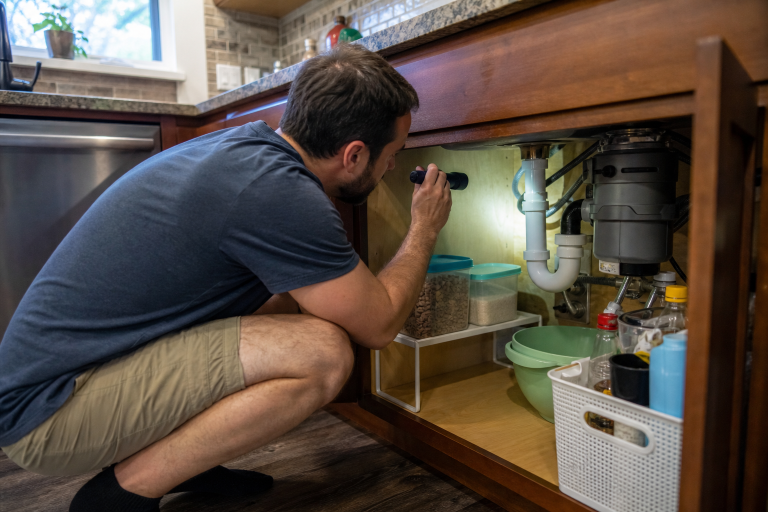
Kitchens offer easy access to crumbs, food packaging, pet food, garbage, and water beneath sinks. Keep dry goods in sturdy containers with tight-fitting lids, wipe counters after preparing meals, and clean beneath appliances when possible. Check cabinet corners, drawer backs, and the area under the sink for gaps, gnawing, moisture, or droppings.
- Put pet food away after feeding instead of leaving it out overnight.
- Keep trash and compost containers closed.
- Repair dripping pipes and dry damp cabinet areas.
- Discard damaged food packages that may have been contaminated.
Garage, Basement, and Utility Areas
Garages, basements, and utility rooms can become quiet nesting spaces because they often contain cardboard, paper goods, stored equipment, and less frequent activity. Store birdseed, grass seed, pet food, and similar materials in sealed containers. Keep boxes elevated when possible and leave a visible gap between stored items and walls so inspections are easier.
Look around water heaters, washing machines, furnaces, floor drains, shelving, and wall penetrations. Clutter does not cause rodent activity by itself, but it can provide cover and make droppings, nesting material, or chewed items harder to notice.
Attic and Crawl Space Checks
Attics and crawl spaces can hide activity for longer because people do not inspect them as often. Look for disturbed insulation, nesting material, unusual odors, chewed wood or wiring, and damaged vent screens. Also inspect soffits, roof vents, duct openings, and gaps around pipes that run through the structure.
Bedrooms and Living Areas
In living spaces, inspect behind bookcases, entertainment centers, large furniture, baseboards, fireplaces, and vents. Reduce piles of clothing, paper, or stored fabrics on the floor, especially in rarely used rooms. Keep children and pets away from any contaminated area until it has been cleaned safely.
How to Seal Common Entry Points
Use durable materials that match the size and location of the opening. The CDC notes that mice can fit through openings about the width of a pencil, so even small gaps deserve attention. Its guidance on sealing gaps and holes around the home includes checking behind cabinets and appliances, around pipes, near vents, and along the roofline.
- Install or replace door sweeps and weather stripping.
- Seal small openings with an appropriate combination of metal material and sealant.
- Repair larger damaged areas with hardware cloth, metal flashing, cement, or another durable material suited to the location.
- Replace torn screens and secure damaged vent covers.
- Do not rely on expanding foam alone where an animal may chew through or around the repair.
Remove Food, Water, and Shelter
Food
Keep food sealed, clean spills promptly, and secure garbage, compost, birdseed, and animal feed. Outdoor grilling areas should also be cleaned after use.
Water
Repair leaky faucets and pipes, check for condensation near appliances and HVAC equipment, and remove standing water near the home when practical.
Shelter
Trim overgrown vegetation near walls, raise stored materials off the ground, and remove unused boxes, debris, and other potential nesting materials. The EPA recommends removing food, water, and shelter sources while sealing holes inside and outside the home to discourage infestations.
Build a Simple Monthly Routine
- Walk around the exterior and note new gaps or damage.
- Check doors, vents, screens, and utility openings.
- Inspect food storage, trash, and pet-feeding areas.
- Look beneath sinks and behind large appliances.
- Check garages, sheds, attics, and crawl spaces when accessible.
- Record repairs and recheck locations where signs appeared before.
When to Ask for Help
Seek qualified help when signs return after cleanup, activity appears in several rooms, contamination is heavy, or rodents may be inside walls, ceilings, insulation, or ventilation areas. Professional assessment can also be useful when wiring or structural materials appear damaged, or when cleanup may expose children, pets, older adults, or people with health concerns.
Final Prevention Checklist
Focus on three priorities: seal openings, remove attractants, and inspect regularly. Rodent-proofing is not a one-time project. Consistent storage habits, timely repairs, and a brief monthly walk-through can make your home less appealing to rodents over time.