
- Key Takeaways
- Why Luxury Homes Need a Deeper Review
- Step One: Review the Exterior and Site Conditions
- Step Two: Inspect the Major Systems
- Step Three: Confirm Permits, Renovations, and Allowed Uses
- Step Four: Read the Title and Association Documents
- Step Five: Calculate the Full Cost of Ownership
- Step Six: Study the Location Beyond the Address
- Step Seven: Review Disclosures and Offer Terms
- Step Eight: Check Financing and Closing Numbers
- A Simple Pre-Offer Checklist
- Common Questions From Luxury Home Buyers
- Is a standard home inspection enough?
- Should permits be reviewed before making an offer?
- When should a buyer walk away?
- Final Thoughts
Key Takeaways
- A luxury home requires a deeper review than a quick visual inspection.
- Buyers should investigate condition, permits, title, neighborhood factors, insurance, and ongoing ownership costs.
- Special amenities such as pools, elevators, generators, gates, and smart-home systems often require specialist inspections.
- A well-structured offer should reflect evidence, contractual deadlines, and long-term value, not just architecture or curb appeal.
Buying a high-value home in Beverly Hills can be exciting, especially when a property offers privacy, views, custom finishes, or a notable address. Still, a polished presentation should not replace careful investigation. Buyers comparing homes in Beverly Hills, Bel Air, Holmby Hills, Malibu, and Pacific Palisades may benefit from the local market perspective presented by Beverly Hills, CA real estate agent Josh Flagg. Josh Flagg’s website highlights his luxury residential sales work, notable listings, and buyer and seller services across prominent Los Angeles neighborhoods, where property details can vary substantially from one street to the next.
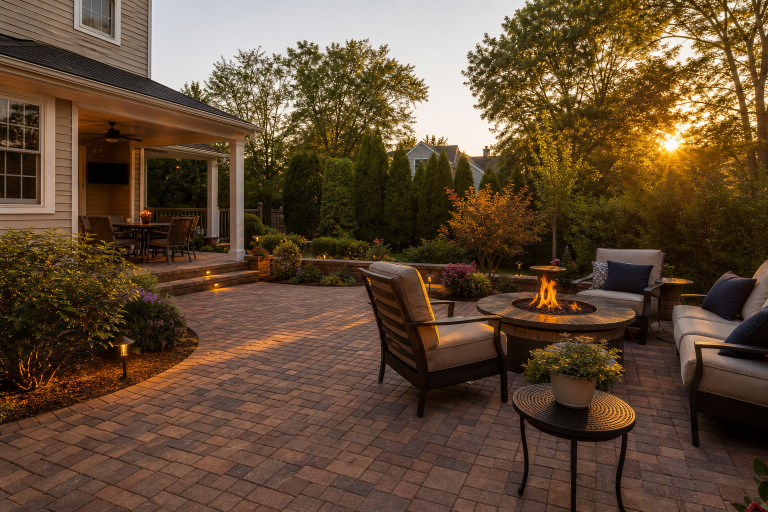
In Beverly Hills, California, due diligence means looking beyond the main residence. A large lot may include retaining walls, mature landscaping, guest accommodations, gates, pools, detached garages, or outdoor living areas. Each feature can affect maintenance, insurance, future renovation plans, and resale appeal. A careful review gives buyers a clearer understanding of what they are purchasing before they commit.
Why Luxury Homes Need a Deeper Review
Luxury properties often have more complex systems, more custom materials, and more expensive repair costs than a typical home. Designer kitchens, imported stone, and dramatic lighting can be appealing, but they do not confirm that a roof, drainage system, electrical panel, or foundation is in strong condition. Value in Beverly Hills also depends on a combination of location, privacy, lot usability, architecture, views, condition, and buyer demand for the area.
Start with a practical mindset. Treat the home as both a place to live and a long-term asset. Ask which features make the property distinctive, then ask whether those same features are documented, functional, legal, maintainable, and likely to matter to future buyers.
Step One: Review the Exterior and Site Conditions
Walk the entire property, not just the path from the driveway to the front door. Review the roofline, gutters, drainage routes, exterior stairs, driveways, gates, retaining walls, and hardscape. Cracking, ponding water, uneven paving, erosion, or signs of movement near slopes deserve closer evaluation.
- Check whether water appears to flow away from the home and outdoor structures.
- Ask about irrigation, tree care, landscape service, and fire-safety maintenance.
- For hillside, canyon, or coastal properties, consider whether a geotechnical, drainage, or other qualified specialist should be involved.
- Confirm responsibility for any private road, shared drive, security gate, or access lane.
Step Two: Inspect the Major Systems
A general home inspection is an important starting point, but it may not be enough for a large or highly customized residence. The California Department of Real Estate advises buyers to investigate major systems and include appropriate inspection protections in their offer through its guidance for California homebuyers.
- Foundation, structural components, roofing, waterproofing, and building envelope
- Heating, ventilation, air conditioning, plumbing, water pressure, and drainage
- Electrical panels, backup generators, solar equipment, and battery storage
- Windows, doors, security systems, fire protection, gates, elevators, and lifts
- Pools, spas, fountains, outdoor kitchens, and other water or gas-connected features
Bring in qualified specialists when a report, disclosure, or walkthrough identifies a concern. The objective is not to make every older feature new. It is to understand its condition, safety, useful life, likely maintenance needs, and possible repair costs before removing contingencies.
Step Three: Confirm Permits, Renovations, and Allowed Uses
Request records for additions, pools, decks, guesthouses, major remodels, garage conversions, and system upgrades. Compare the listing, floor plan, and visible improvements with available public records. If a room was converted into an office, gym, bedroom, or guest suite, confirm that the work and use align with applicable approvals.
Buyers should also investigate zoning and local restrictions before assuming they can expand, rent, subdivide, host events, remove trees, or alter a view-facing portion of the property. A beautiful improvement that lacks clear approval can create complications for future construction, financing, insurance, or resale.
Step Four: Read the Title and Association Documents
The preliminary title report deserves the same attention as the inspection report. Review liens, easements, covenants, access rights, boundary questions, shared-maintenance duties, and any recorded restrictions. An easement may give another party a right to use part of the property, while a covenant may limit how the land can be used.
If the property is within a homeowners association or another common-interest community, review governing documents, budgets, regular dues, special assessments, insurance information, and rules that could affect renovations or daily use. Ask a title professional or real estate attorney to explain terms that are unclear.
Step Five: Calculate the Full Cost of Ownership
The purchase price is only one part of the decision. Build an ownership budget using actual invoices, service agreements, tax information, and insurance quotes whenever possible. Consider property taxes, utilities, landscaping, tree care, pool service, security monitoring, housekeeping, property management, private-road obligations, association fees, and maintenance for custom equipment.
Custom materials and specialized systems can require skilled labor or replacement parts that are not immediately available. Set aside reserves for urgent repairs and early improvements, particularly if the home will be occupied soon after closing.
Step Six: Study the Location Beyond the Address
Visit more than once a day. Observe traffic, street activity, noise, construction, neighboring sightlines, nearby commercial uses, and travel routes. In parts of Beverly Hills and nearby Los Angeles communities, topography, narrow streets, mature vegetation, and changing development patterns can all influence privacy and convenience.
Research approved or proposed projects nearby, and consider how future construction could affect views, access, light, or neighborhood character. A famous address can be valuable, but durable location value also comes from privacy, access, usable land, and a setting that remains desirable over time.
Step Seven: Review Disclosures and Offer Terms
Read seller disclosures and available reports as early as possible. Ask about leaks, water intrusion, prior repairs, pest activity, insurance claims, flooding, structural work, mold concerns, and environmental conditions. Inspection and investigation deadlines should be tracked carefully because rights to negotiate or cancel depend on the purchase agreement.
The Consumer Financial Protection Bureau recommends scheduling an independent inspection promptly because early findings leave more time to investigate issues and discuss repairs or credits. Review financing, appraisal, inspection, title, document review, and insurance-related contingencies with qualified advisors before signing.
Step Eight: Check Financing and Closing Numbers
Review the loan structure, interest rate, points, reserve requirements, prepayment terms, and estimated closing costs. Ask whether condition issues or insurance availability could affect financing. Keep adequate liquidity for closing, moving, furnishings, security upgrades, and unexpected repairs after the transaction is complete.
A Simple Pre-Offer Checklist
- Review listing history and relevant comparable sales.
- Visit the home and the surrounding streets at different times.
- Request disclosures, reports, permits, and association documents.
- Review title, easements, boundaries, and recorded restrictions.
- Order a thorough general inspection and specialist inspections where needed.
- Obtain realistic insurance and ownership-cost estimates.
- Confirm financing, closing costs, deadlines, and contingencies.
- Make an offer based on condition, evidence, and long-term usefulness.
Common Questions From Luxury Home Buyers
Is a standard home inspection enough?
It is a useful first step, but unusual features may justify additional evaluation by structural, roofing, pool, elevator, security, smart-home, drainage, or geotechnical specialists.
Should permits be reviewed before making an offer?
Yes. Permit and property records can help buyers understand whether visible improvements were approved and whether they may affect future plans or resale.
When should a buyer walk away?
Warning signs can include unresolved title concerns, significant unpermitted work, major structural issues, unavailable insurance, undisclosed assessments, or operating costs that do not fit the buyer’s budget and goals.
Final Thoughts
A Beverly Hills luxury purchase should be enjoyable, but the decision should rest on more than appearance. Careful inspections, clear records, realistic costs, and a complete review of the property’s setting can help buyers make a more confident offer in 2026.