A vacant home may seem safe from pest problems because no one is living there. Still, an empty property can actually become more attractive to insects and rodents. Without regular cleaning, maintenance, and inspections, small pest issues can quickly develop into serious infestations. Pests can enter through tiny openings, find shelter in undisturbed areas, and cause damage before anyone notices.
Whether a home is vacant because it is being sold, renovated, rented, or left unoccupied for an extended period, understanding common pest problems can help property owners take preventive action. Vacant homes can quickly develop pest problems, which is why working with one of the top rated pest control companies in Alexandria VA can help identify and address issues before they become larger infestations.
Why Vacant Homes Attract Pests
Vacant homes provide several conditions that pests prefer. There is usually less human activity, fewer disturbances, and plenty of quiet spaces where insects and rodents can hide. If the heating or cooling system is turned off, temperature fluctuations may also create conditions that encourage pests to seek shelter.
Moisture is another major factor. Leaking pipes, clogged gutters, condensation, and standing water can create ideal environments for insects and other pests. Food sources may also remain behind in kitchens, pantries, garages, or storage areas.Vacant homes can be especially vulnerable to pest infestations, making real estate agents in Fairfax an important resource for identifying and addressing pest problems before a property is listed or sold.
1. Rodents
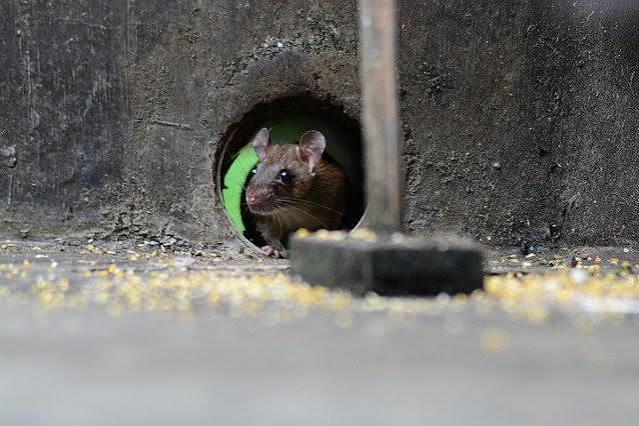
Mice and rats are among the most common problems found in vacant homes. These animals can enter through surprisingly small openings around doors, windows, vents, pipes, roofs, and foundations.
Once inside, rodents often build nests in attics, wall cavities, basements, garages, and other quiet areas. They may chew through insulation, cardboard, wood, and electrical wiring. Damaged wiring can create a potential fire hazard, while droppings and nesting materials can contaminate areas of the home.
Rodents can also reproduce quickly when left undisturbed. A small problem can therefore become a much larger infestation before the property owner becomes aware of it.
2. Cockroaches
Cockroaches can survive in many environments and are particularly troublesome in homes that have been left unattended. They are attracted to moisture, food residue, garbage, and warm hiding places.
Common hiding spots include kitchens, bathrooms, basements, cabinets, and areas around plumbing fixtures. Even when no fresh food is available, cockroaches can feed on materials such as paper, cardboard, grease residue, and other organic matter.
A vacant home may also provide plenty of undisturbed areas for cockroaches to reproduce. Finding droppings, shed skins, egg cases, or a noticeable odor can indicate an infestation.
3. Ants
Ants are another frequent pest issue in empty properties. Different species may enter homes in search of food, water, or shelter. They can gain access through cracks around windows, doors, foundations, and utility openings.
Carpenter ants deserve particular attention because they can damage wood as they build nests. They are commonly associated with damp or deteriorating wood, so their presence may indicate an underlying moisture problem.
Keeping the property dry and sealing potential entry points can reduce the chances of ants establishing colonies indoors.
4. Termites
Termites can be especially concerning in vacant homes because their activity may remain hidden for a long time. These insects feed on cellulose-based materials, including wood, and can gradually weaken structural components.
Signs of termite activity may include damaged wood, discarded wings, mud tubes, hollow-sounding wood, or small piles of insect waste. However, termites often work inside walls, floors, or other concealed areas, making professional inspections important.
Regular inspections are particularly valuable for properties that will remain vacant for several months.
5. Spiders
Spiders often become more noticeable in vacant homes because there is little activity to disturb their webs. They may settle in corners, garages, basements, attics, storage rooms, and around windows.
Although most household spiders are harmless, their presence can indicate that other insects are available as a food source. A large number of spiders may therefore suggest an underlying insect problem.
Removing webs and controlling the insects that spiders feed on can help reduce spider activity.
6. Bed Bugs
Bed bugs are commonly associated with occupied homes, but vacant properties can still have them. They may be left behind by previous occupants or introduced through furniture, mattresses, clothing, or other belongings.
Bed bugs are difficult to eliminate because they can hide in mattress seams, cracks, furniture joints, baseboards, and wall openings. They can also survive for extended periods without regular feeding.
If a home has previously been occupied by tenants, travelers, or multiple residents, checking for signs of bed bugs before leaving it vacant or preparing it for new occupants can be a smart precaution.
7. Fleas
Fleas may remain in a vacant property after pets or other animals have been present. Carpeting, furniture, cracks, and floor gaps can provide places for flea eggs and developing insects to remain.
A home may appear empty while flea activity continues in carpets or other concealed areas. When the property is occupied again, people or pets can provide a new food source, making the infestation noticeable.
Professional treatment may be necessary when flea activity is widespread.
8. Wasps and Other Stinging Insects
Wasps, hornets, and bees can build nests around vacant homes, particularly under roof edges, inside wall cavities, around eaves, or near sheds and garages.
Because nobody regularly uses the property, nests can grow uninterrupted. Large nests can create safety concerns for anyone who eventually enters the home.
Property owners should avoid disturbing active nests without appropriate protection. They should consider professional assistance when nests are located in difficult or dangerous areas.
9. Moisture-Related Pests
Some pest problems are closely connected to moisture. Silverfish, earwigs, springtails, and certain types of beetles may become more common in damp basements, bathrooms, crawl spaces, and other poorly ventilated areas.
Moisture problems can come from leaking plumbing, roof damage, poor drainage, condensation, or water intrusion. Addressing the source of moisture is often just as important as treating the pests themselves.
How to Protect a Vacant Home
Preventing pest problems is generally easier than dealing with an established infestation. Property owners should schedule regular inspections rather than leaving the building unchecked for extended periods.
Important preventive steps include:
- Check doors and windows for gaps or damaged screens.
- Repair plumbing and roof leaks promptly.
- Keep gutters and drainage systems clear.
- Remove trash, food, and unnecessary cardboard.
- Keep kitchens and storage areas clean.
- Trim vegetation away from the building.
- Check attics, basements, garages, and crawl spaces regularly.
- Look for droppings, nests, damaged materials, or insect activity.
- Maintain appropriate ventilation in damp areas.
Regular visits also make it easier to identify structural or maintenance problems before they become expensive repairs.
When Professional Pest Control May Be Needed
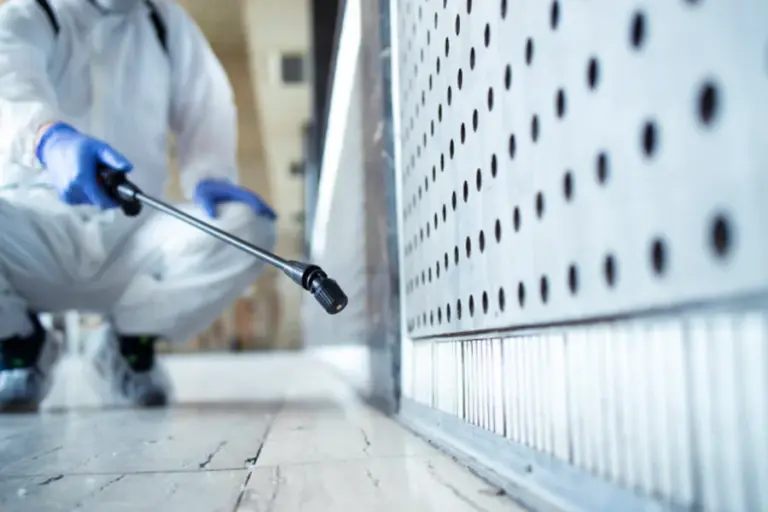
Some infestations can be difficult to identify or control without professional help. Rodents inside walls, termites in structural wood, bed bugs, and large insect infestations may require specialized inspection and treatment.
A pest control professional can identify signs of activity, determine potential entry points, and assess the extent of an infestation. Early intervention can help prevent pests from causing greater property damage.
Final Thoughts
Vacant homes are not protected from pest problems simply because no one is living inside. In fact, the lack of regular activity and maintenance can allow rodents, insects, and other pests to establish themselves unnoticed.
Regular inspections, moisture control, proper sanitation, and timely repairs can significantly reduce the risk. For properties expected to remain empty for an extended period, having a routine maintenance and pest monitoring plan can help protect the home’s condition and reduce unpleasant surprises when it is occupied again.