You probably already know the basic health advice: sleep more, eat better, move your body, drink water, try not to let stress run the whole show. Useful advice, sure, but real life rarely behaves like a clean checklist. Between packed schedules, surprise illnesses, and the occasional internet-fueled panic spiral, it helps to have a more practical system.
A personal health safety net gives you structure before things go sideways, so you can make better choices without needing superhero-level discipline.
- Start With the Health Basics You’ll Actually Maintain
- Keep your annual checkups on the calendar
- Build a Home Health Kit That Covers Real-Life Problems
- – Any condition-specific supplies you rely on
- Know Where You’ll Go for Care Before You’re Sick
- Pay Attention to Stress Signals Before They Hijack Everything
- Make Your Health Plan Flexible Enough for Real Life
Start With the Health Basics You’ll Actually Maintain
A health safety net begins with habits that are boring enough to work. That’s good news. You don’t need a fridge full of obscure powders or a morning routine that starts at 4:45 a.m. with cold plunges and intense eye contact with the sunrise.
Focus on a few non-negotiables you can repeat:
Get a consistent sleep window, even if it’s not perfect
Keep easy, decent food around for chaotic days
Move for 20 to 30 minutes most days
Refill prescriptions before they become a last-minute crisis
Keep your annual checkups on the calendar
Think of these as infrastructure, not inspiration. Infrastructure keeps working when motivation disappears. If your version of healthy only works when life is calm, rested, and beautifully organized, it’s probably too fragile.
Keep the everyday stuff stocked too. Daily vitamins, protein shakes, soap, laundry detergent, toothpaste, the things you only notice when they’re gone. You can order products from The Wellness Company and have them show up every month without thinking about it.
The goal isn’t ideal behavior. It’s reliable behavior.
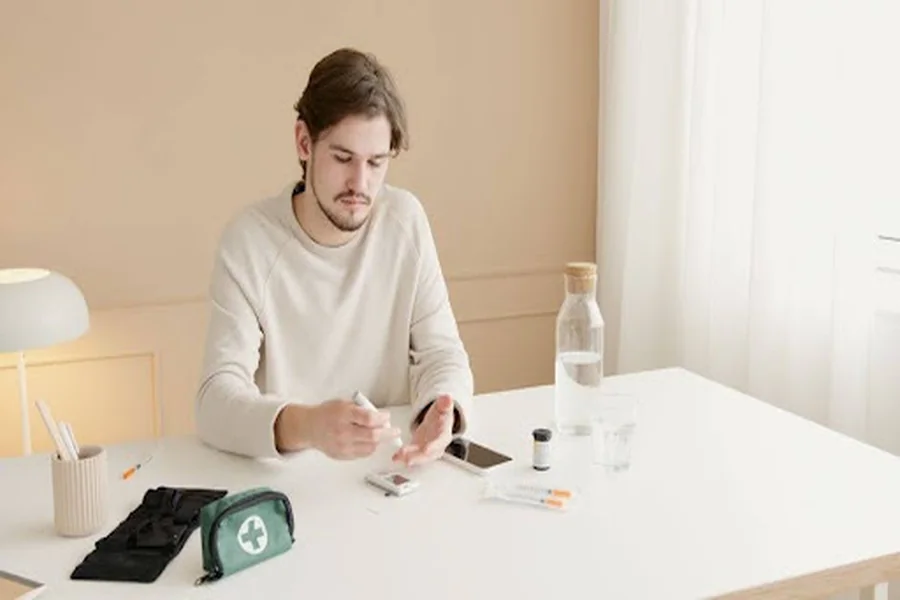
Build a Home Health Kit That Covers Real-Life Problems
A home health kit should handle common issues without sending you into a midnight scramble. You’re not trying to open a mini hospital in your bathroom cabinet. You’re just making sure basic support is within reach.
A useful kit often includes:
– Thermometer
– Bandages and gauze
– Pain relievers
– Electrolyte packets
– Antihistamines
– Cold and flu basics
– Cough drops
– Hand sanitizer
– A pulse oximeter, if you want extra monitoring tools
– Any condition-specific supplies you rely on
Pay attention to expiration dates a couple of times a year. Half of household preparedness falls apart because people assume they still have what they bought three winters ago.
Organize Your Personal Health Information Before You Need It
One of the least glamorous health moves is also one of the smartest: know your own information. If you had to list your medications, allergies, chronic conditions, recent test results, and emergency contacts right now, could you do it without scrolling through old emails and pharmacy texts like a detective in a low-budget drama?
Create a simple health file, digital or printed, with:
– Current medications and dosages
– Allergies and reactions
– Insurance details
– Your primary care doctor and specialists
– Past surgeries or major diagnoses
– Emergency contacts
– Pharmacy information
If you care for a parent, sibling, or child, keep a version for them too.
This kind of prep matters during travel, urgent care visits, prescription mix-ups, or emergencies. It also saves time when you switch providers. Health systems are not known for their graceful coordination so a little self-organization can spare you a lot of friction.
Know Where You’ll Go for Care Before You’re Sick
When you feel awful, decision-making gets sloppy. Small symptoms feel huge. Big symptoms are easy to second-guess. Having a care plan ahead of time can prevent expensive or risky choices.
Map out your likely options:
– Primary care for routine issues and follow-up
– Urgent care for same-day concerns that aren’t life-threatening
– Emergency room for severe chest pain, breathing trouble, stroke symptoms, serious injuries, or heavy bleeding
– Telehealth for medication questions, mild infections, and quick consultations
Save addresses, numbers, and insurance details in your phone.
Also check what your plan covers. A surprising number of people discover the fine print while sitting under fluorescent lights in a waiting room, which is not an ideal moment for financial enlightenment.
Treat Prevention Like a Time-Saving Strategy, Not a Moral Test
Preventive care gets framed as virtuous, which makes people avoid it the second life gets messy. A better way to think about it: prevention is often the fastest route to fewer disruptions.
Routine screenings, vaccines, dental cleanings, blood pressure checks, and lab work can catch issues early, when they’re easier and cheaper to deal with. That’s not glamorous, but it is efficient.
A few practical moves help:
– Schedule appointments months ahead
– Stack appointments on one day when possible
– Use calendar reminders for follow-ups
– Ask what screening timeline makes sense for your age and history
– Keep copies of major test results
You don’t need to become obsessed with every possible health risk. You do need enough consistency to avoid turning manageable problems into dramatic ones.
Pay Attention to Stress Signals Before They Hijack Everything
Stress has a sneaky way of presenting itself as normal life. You may call it being busy, tired, behind, annoyed, or just not at your best lately. Meanwhile, your body is filing formal complaints.
Common signs include:
– Poor sleep
– Brain fog
– Headaches
– Digestive issues
– Irritability
– Constant muscle tension
– Getting sick more often
– Trouble focusing
You don’t need an elaborate self-care performance to respond. Start smaller. Take short walks without your phone. Eat lunch away from your desk. Cut one unnecessary commitment. Set a bedtime alarm, not just a wake-up alarm. If anxiety or low mood sticks around, talk to a mental health professional instead of trying to out-stubborn it.
Make Your Health Plan Flexible Enough for Real Life
The best health system for you is one you can still use when work gets hectic, money feels tight, travel pops up, or your routine falls apart for a few weeks. Flexibility keeps small disruptions from becoming total collapse.
A realistic plan might include:
– A short list of go-to healthy meals
– Backup exercise options at home
– A pharmacy refill reminder
– One trusted telehealth option
– A monthly check-in on supplies and appointments
– A plan for who can help if you’re sick
You’re not building a perfect life. You’re building resilience.
That shift matters. Good health habits are less about chasing an ideal version of yourself and more about reducing chaos when life gets unpredictable. A strong personal safety net won’t prevent every problem, but it can make problems easier to handle. And in health, easier to handle is a very big deal.