- Table Of Contents
- Start With The Entryway
- Set Practical Priorities Before Shopping
- Compare Common Door Materials
- Wood
- Fiberglass
- Steel And Composite
- Account For Climate And Sun Exposure
- Choose The Right Amount Of Glass
- Review Security And Privacy Features
- Measure Before Ordering
- Plan For Maintenance
- Build A Simple Decision Checklist
- Final Thoughts
Table Of Contents
- Introduction
- Start With The Entryway
- Set Practical Priorities Before Shopping
- Compare Common Door Materials
- Account For Climate And Sun Exposure
- Choose The Right Amount Of Glass
- Review Security And Privacy Features
- Measure Before Ordering
- Plan For Maintenance
- Build A Simple Decision Checklist
- Final Thoughts
A new front door can change how an entry looks and feels, but the best choice is about more than just color or curb appeal. It needs to work with the home’s architecture, local conditions, desired level of privacy, and the routines of the people who use it every day. This door buying guide offers a useful starting point, but planning the full entryway before shopping can make the final choice much clearer.
Use this checklist to identify what matters most before comparing designs. A door that suits the opening, handles its weather exposure, brings in the right amount of light, and remains easy to maintain is more likely to feel like a smart long-term upgrade.
Start With The Entryway
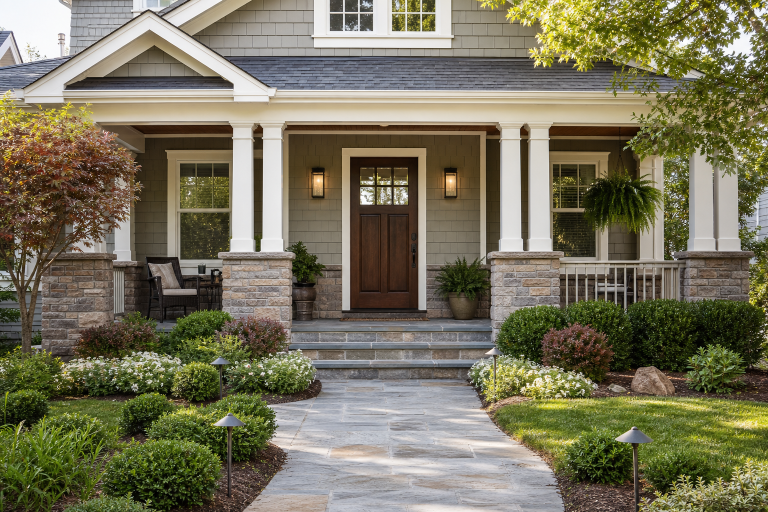
Evaluate the entire front entry, not only the door slab. Look at the porch, columns, trim, siding, brick or stone, roofline, walkway, and exterior lighting. A simple panel door may suit a traditional facade, while cleaner lines and larger glass areas can complement a more contemporary exterior. Also, view the entry in morning, afternoon, and evening light. Paint colors, stains, and glass can look noticeably different when surrounded by shade, warm brick, dark siding, or direct sunlight.
Set Practical Priorities Before Shopping
Make a short list of nonnegotiables before focusing on decorative details. Start by choosing the primary concern: appearance, security, low upkeep, natural light, insulation, or weather resistance. Then set a complete budget that accounts for the door, frame, or prehung unit, hardware, delivery, removal of the old door, and installation. Consider daily realities as well. Pets, children, frequent package deliveries, mobility needs, and a busy household can all affect the best choice.
Compare Common Door Materials
Material matters, but construction quality, finish, exposure, and installation matter too. The differences among wood, steel, fiberglass, and composite doors can help homeowners weigh maintenance, strength, insulation, and climate considerations before narrowing the field.
Wood
Wood offers natural grain, visual warmth, and broad customization options. It can be painted or stained, but the finish needs regular attention, particularly at an entry that receives strong sun or wind-driven rain.
Fiberglass
Fiberglass can provide a wood-like appearance while resisting many moisture-related concerns. It is often a practical option for homeowners who want a durable surface and less routine finish work than a traditional wood door may require.
Steel And Composite
Steel doors are commonly selected for their strength and can be a good fit where security is a major concern. Surface scratches and dents should be addressed promptly to help prevent corrosion. Composite doors vary by manufacturer and construction, but may combine an insulated core with a durable skin and flexible design options.
Account For Climate And Sun Exposure
Think about what the door will face throughout the year. Humidity, coastal air, heat, freezing temperatures, rain, snow, and prevailing winds can all influence finish wear and seal performance. An unprotected west-facing entry may receive intense afternoon sun, while a recessed porch can provide effective shelter from rain and direct sun. When replacing a frame, enlarging an opening, or changing the entry configuration, check local building requirements before work begins.
Choose The Right Amount Of Glass
Glass can brighten a dark foyer and make a compact entry feel more open. The trade-off is that it can also affect privacy, glare, and views into the home. A small upper panel may add light without revealing much of the interior, while sidelights and transoms can create a brighter entryway. Clear, frosted, textured, and decorative glass offer varying levels of visibility. Before choosing a full-view design, consider whether shades, curtains, or privacy film would be needed.
Review Security And Privacy Features
A secure entry depends on more than the door material. The frame, hinges, lock hardware, strike area, weather seals, and installation all contribute to how well the door closes, latches, and locks. Review the door swing direction, threshold height, exterior lighting, and walking path to the entrance. If privacy is important, consider how easily people on the street or on the walkway can see through the glass into the foyer.
Measure Before Ordering
Careful measurements can prevent expensive surprises. Record the door slab width and height, jamb depth, rough opening, and threshold condition. Confirm the handing and swing direction, then check whether the opening is square and the surrounding floor and walls are level. Look for damaged trim, soft wood, water stains, rot, cracks, or signs that the frame has shifted. A door that looks perfect in a showroom may require a different installation approach if the existing opening is unusual.
Plan For Maintenance
Choose a maintenance routine that fits your household. Painted, stained, textured, and metal finishes have different care needs, especially when exposed to the sun and moisture. At least once a year, inspect the weatherstripping, hinges, lockset, threshold, bottom edge, and finish. Small issues such as loose hardware, damaged seals, or finish cracks are easier to address before they become larger repairs.
Build A Simple Decision Checklist
After reviewing the major factors, use these priorities to narrow the options:
- For high exposure: Favor a material, finish, and entry design suited to direct weather.
- For a dark foyer: Consider a modest amount of well-placed glass or improved entry lighting.
- For low upkeep: Compare surfaces that are less prone to swelling, rust, fading, or denting in your conditions.
- For a traditional home: Match door proportions, panels, glass patterns, and trim details to the architecture.
- For a busy household: Prioritize smooth operation, dependable hardware, easy cleaning, and a finish that fits everyday use.
When comparing final options, factors such as durability, maintenance, storm-door use, and energy performance can help keep the decision focused on everyday value rather than appearance alone.
Final Thoughts
The strongest front door choice balances style with practical needs. When the door fits the architecture, climate, light level, privacy preferences, household routines, and maintenance expectations, it can provide a welcoming entry that works well for years to come.