- Key Takeaways
- Why a Seasonal Tree Care Plan Helps in Rochester, Minnesota
- January and February: Check for Winter Damage
- March and April: Look for Spring Stress
- May: Plan Pruning and New Plantings
- June and July: Manage Heat, Drought, and Pests
- August: Inspect Before Severe Weather
- September and October: Prepare Trees for Cold Weather
- November and December: Protect Trees During Winter
- When to Call a Rochester, Minnesota Tree Professional
- A Simple Tree Care Checklist for Every Season
- Build Tree Care Into the Year
Key Takeaways
- Tree care needs change with Rochester’s seasons.
- Regular inspections can reveal damage before it becomes an emergency.
- Young trees need consistent watering, mulch, and trunk protection.
- Good pruning supports structure, while topping can create long-term problems.
- Large branches, storm damage, utility lines, and uncertain tree health call for qualified help.
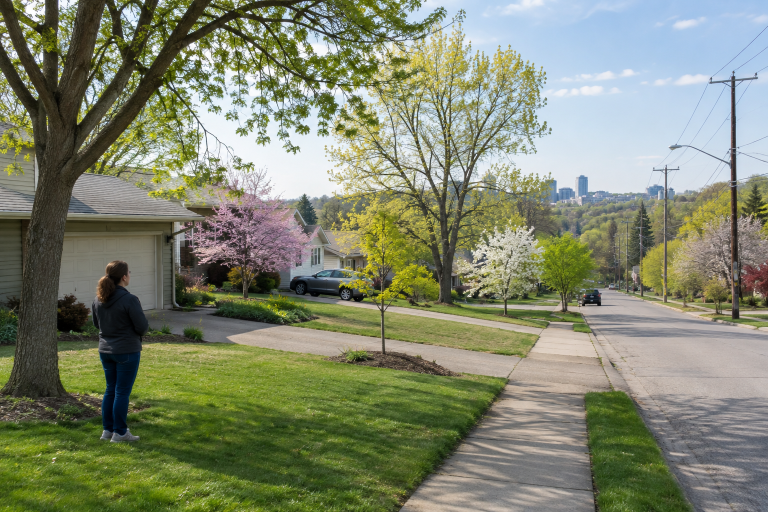
Rochester’s trees face a full range of Upper Midwest conditions, from heavy snow and ice to summer heat, strong winds, and dry spells. A seasonal routine helps homeowners notice problems early, protect people and property, and provide better growing conditions for valuable trees.
For homeowners who need experienced help, tree service Rochester MN support is available through ArborWise Tree Management. This locally owned Rochester-area company provides science-based pruning, removals, planting, stump grinding, and plant health services. With ISA-certified arborists serving Rochester and nearby Southeast Minnesota communities, the team is a valuable local resource for professional assessments or higher-risk work.
Why a Seasonal Tree Care Plan Helps in Rochester, Minnesota
Many tree problems develop gradually. A crack may widen after repeated freeze-thaw cycles, a stressed tree may leaf out sparsely, or a buried root flare may contribute to decline over time. Rochester’s urban canopy is also a community asset, which is why the city’s urban forest planning efforts emphasize long-term tree health, diversity, and sustainability. A calendar-based approach makes tree care more manageable by focusing attention on the right tasks at the right time.
January and February: Check for Winter Damage
After snow, ice, or high winds, inspect trees from the ground. Look for hanging limbs, newly split branches, trunk cracks, broken leaders, exposed roots, or a sudden lean. Keep obvious hazards away from driveways, sidewalks, and rooflines. Do not climb a damaged tree, pull on a suspended limb, or attempt work near electrical lines. Avoid shaking heavy snow from branches, since extra force can worsen a split or break a weakened limb.
March and April: Look for Spring Stress
As temperatures rise, winter injuries often become easier to spot. Watch for dead branch tips, loose bark, fresh wounds, sunken areas on the trunk, and delayed leaf growth. Check mulch and soil around young trees before spring growth begins. Mulch should cover the root zone but not touch the trunk. Thick piles against bark can hold moisture where it does not belong and may encourage decay or pest issues.
May: Plan Pruning and New Plantings
May is a good time to plan light maintenance and pruning, and to evaluate young-tree structure. Common goals include removing dead or broken twigs, reducing rubbing branches, maintaining clearance over walkways, and encouraging well-spaced limbs. Major structural pruning on mature trees deserves a professional evaluation. Do not top trees. Cutting back large sections of the canopy can leave large wounds and stimulate weak replacement growth.
If planting, consider the tree’s mature size, sunlight needs, drainage, available soil space, nearby buildings, and overhead utilities. Call 811 before digging so underground utilities can be marked. Choosing a species suited to the site is more important than choosing a tree solely for quick growth or appearance.
June and July: Manage Heat, Drought, and Pests
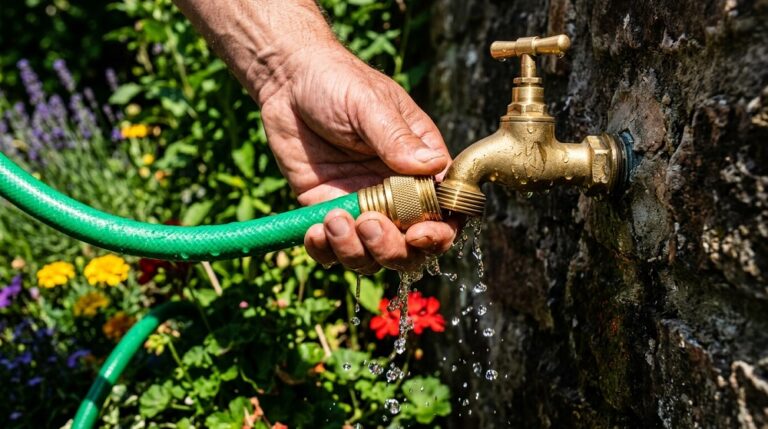
Newly planted and shallow-rooted trees can show stress quickly during hot, dry weather. Water slowly near the root zone so moisture can soak into the soil rather than run off. Check soil moisture before watering again, and give newer trees more consistent attention than established trees. Keep mulch a few inches away from the trunk.
Early fall color, curled leaves, sparse foliage, holes in leaves, oozing bark, and branch dieback can all deserve a closer look. One symptom does not always reveal one cause. Drought, root injury, insects, disease, and site conditions can overlap, so diagnosis should come before treatment.
August: Inspect Before Severe Weather
Before thunderstorm season brings strong winds, walk the property and check for large dead limbs, weak branch unions, cracks near the trunk, heavy growth over roofs, and roots lifting from the soil. Addressing hazards before a storm is usually safer than reacting after a limb falls. If a branch comes down, keep people away from the area, avoid touching anything near wires, and make sure access routes remain clear for emergency vehicles if needed.
September and October: Prepare Trees for Cold Weather
Continue watering young and recently planted trees until the ground begins to freeze. Refresh mulch as needed, but do not build a mound around the trunk. Fall is also a practical time to remove deadwood and identify weak branches before snow and ice add weight. Young trunks may benefit from guards that reduce damage from rabbits, deer, lawn equipment, or other mechanical impacts. Review trees near roofs, sidewalks, roads, and utility lines before winter arrives.
November and December: Protect Trees During Winter
Ice, snow weight, frozen soil, and repeated temperature swings can stress trees during winter. Remove ropes, lights, decorations, and other items that rub against bark. Avoid parking vehicles or storing heavy materials over important root zones when possible. Winter pruning and removal may still be appropriate in certain situations, but safe access, species knowledge, and the tree’s condition all matter. Never work on a tree that is entangled with electrical lines.
When to Call a Rochester, Minnesota Tree Professional
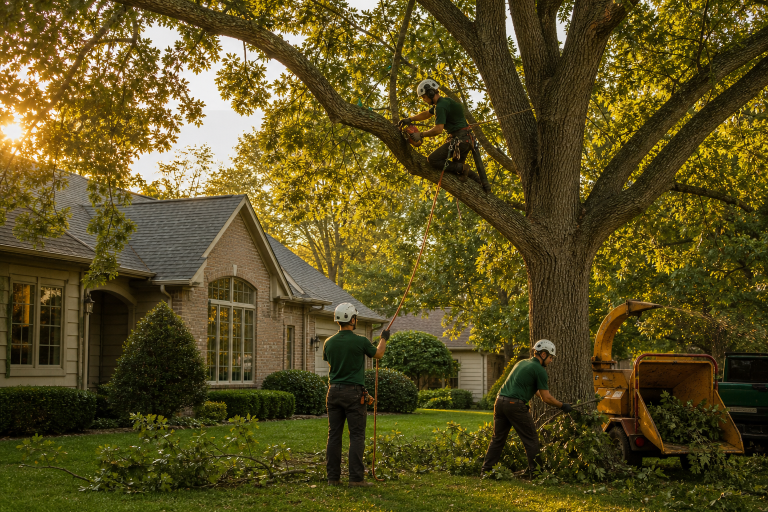
Some projects should not become do-it-yourself work. Call a qualified tree care professional for large or elevated branches, trees leaning toward a structure, storm-damaged trees, suspected pest or disease problems, tree removal, stump work, and any job near utility lines. Ask about insurance, written estimates, local licensing, and whether the crew includes certified arborists. Routine tasks such as light cleanup and watering may be manageable for homeowners, but work involving height, heavy wood, electricity, or uncertainty requires a safer plan.
A Simple Tree Care Checklist for Every Season
- Walk the property and look for visible hazards.
- Check soil moisture around young trees.
- Keep mulch away from trunks.
- Remove small fallen branches and yard debris.
- Photograph changes in leaves, bark, and branch structure.
- Review trees near homes, driveways, sidewalks, and utility lines.
- Schedule qualified help when the work involves height, weight, electricity, or uncertainty.
Build Tree Care Into the Year
Tree care works best as a year-round habit, not a once-a-decade response to visible damage. By checking trees season by season, Rochester homeowners can spot concerns earlier, support healthier growth, and make informed decisions about when to seek professional assistance.