- Key Takeaways
- Why Professional Flooring Preparation Matters
- How to Choose Between Hardwood, Luxury Vinyl, and Laminate
- When Hardwood Is the Right Fit
- When Luxury Vinyl Flooring May Be Better
- Can Existing Hardwood Be Restored Instead of Replaced?
- What a Well-Planned Installation Process Includes
- How to Compare Flooring Estimates
- Questions to Ask Before Installation
- Frequently Asked Questions
- What flooring services are available for homes in Durham?
- Is waterproof flooring appropriate for every room?
- Can one project use more than one flooring material?
- Choose Flooring Based on the Whole Project
- Conclusion
Key Takeaways
- Choose flooring based on each room’s moisture exposure, traffic, household needs, and maintenance requirements.
- Compare hardwood, luxury vinyl, laminate, and waterproof flooring before making a decision.
- Inspect and prepare the subfloor to prevent installation and performance issues.
- Consider hardwood refinishing when existing boards are still structurally sound.
- Plan room transitions, underlayment, and finishing details before installation.
- Compare detailed estimates that include materials, labor, removal, repairs, and cleanup.
- Follow manufacturer recommendations for installation, cleaning, and long-term maintenance.
Choosing new flooring involves more than finding a color or pattern that looks good. The best option for a Durham home depends on the room’s moisture exposure, daily traffic, pets, subfloor condition, maintenance expectations, and overall project budget. Artisan Flooring of NC in Durham, NC helps homeowners compare practical flooring options and plan installation work around the needs of the space. A flooring project can include hardwood installation, luxury vinyl plank, laminate, waterproof flooring, hardwood repair, or refinishing an existing wood floor. The right solution is the one that fits how the room will be used while accounting for the preparation needed beneath the finished surface.
Why Professional Flooring Preparation Matters
Even a well-made flooring product can perform poorly when it is installed over an unsuitable surface. Uneven subfloors, moisture concerns, loose areas, inaccurate measurements, and inadequate expansion space can all affect the appearance and long-term performance of a floor. Before installation, it is important to evaluate the existing floor, room dimensions, transitions, and moisture conditions. In rooms that regularly face splashes, wet shoes, humidity, or laundry-related moisture, water-resistant hard-surface flooring can be a sensible planning consideration. Waterproof flooring does not correct an active plumbing leak or moisture coming through the structure, so those issues should be identified and addressed before a new floor is installed.
How to Choose Between Hardwood, Luxury Vinyl, and Laminate
There is no single flooring material that works best in every room. A useful comparison starts with the space’s conditions and the homeowner’s priorities.
- Hardwood flooring: Often chosen for living rooms, dining rooms, bedrooms, and other dry interior areas where homeowners want the natural appearance of wood. Depending on the product and floor condition, hardwood may offer the option of sanding and refinishing in the future.
- Luxury vinyl plank: A practical choice for kitchens, entryways, bathrooms, basements, and active households because many products are designed to handle routine spills and everyday cleaning. Product specifications and installation requirements still matter.
- Wood laminate: A budget-conscious option for homeowners who want a wood-inspired appearance. It requires a properly prepared subfloor, appropriate underlayment when specified, and sufficient expansion space around the room perimeter.
- Waterproof flooring: Worth considering in spaces where wet shoes, pet accidents, spills, or frequent cleaning are expected. The product should be selected based on the room’s conditions and installed in accordance with the manufacturer’s requirements.
Material selection should also consider transitions between rooms. A home may benefit from hardwood in a formal living area, for example. At the same time, a nearby laundry room or entryway may be better suited to a more water-resistant flooring product.
When Hardwood Is the Right Fit
Hardwood can be a strong choice when a homeowner wants natural variation, warmth, and a floor that can complement changing décor over time. It is especially appropriate when the installation area is dry, stable, and properly prepared for a wood product. Planning for hardwood should include the wood type, finish, installation method, subfloor condition, and the manufacturer’s acclimation guidance. Solid and engineered wood have different construction characteristics, so an installer should help determine which product is appropriate for the location. Repeated water exposure, a damp crawl space, ongoing leaks, or visible signs of moisture damage should be investigated before installing new wood flooring.
When Luxury Vinyl Flooring May Be Better
Luxury vinyl flooring can be a useful option for Durham homeowners who want a durable, lower-maintenance surface in rooms that experience more routine moisture or traffic. Kitchens, bathrooms, mudrooms, finished basements, and pet-friendly homes are common areas where homeowners explore this type of flooring. A successful LVP installation still depends on details. The subfloor needs to meet the product’s flatness requirements, planks need to be carefully aligned, and transitions at doorways and between adjacent rooms should be planned before the work begins. Whether a product is glued down or installed as a floating floor depends on its design and the manufacturer’s instructions.
Can Existing Hardwood Be Restored Instead of Replaced?
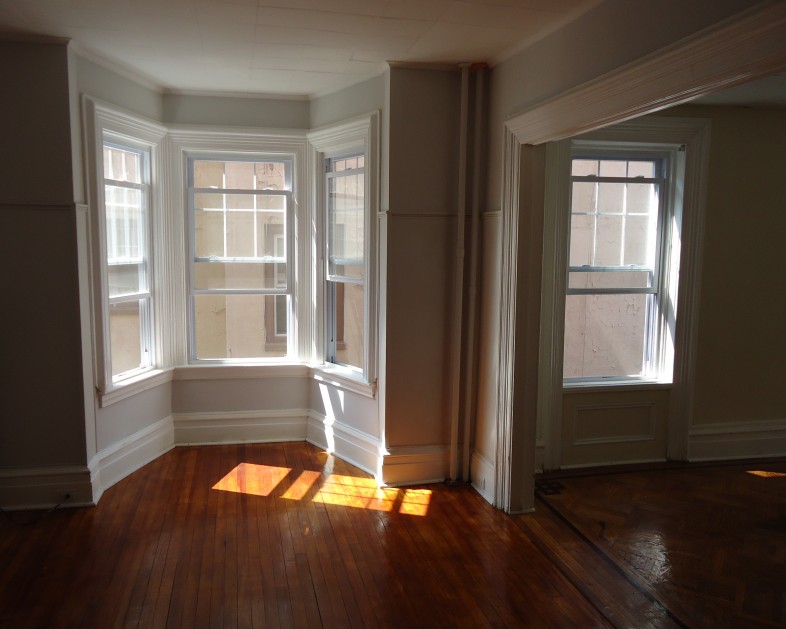
Replacement is not always necessary when a hardwood floor looks dull, scratched, or worn. Sanding and refinishing may be an option when the boards remain structurally sound, and the damage is primarily on the surface. The process may include evaluating the floor, sanding the existing finish, selecting a stain when desired, applying a new protective finish, and reviewing the completed work. Not every floor is a refinishing candidate. Significant warping, active water damage, structural movement, extensive board failure, or deeply compromised materials may require repair or replacement instead. National remodeling research also recognizes hardwood refinishing and new wood flooring as projects that can influence homeowner satisfaction and resale considerations. However, results vary by property, market conditions, project cost, and buyer preferences. Remodeling impact research should be treated as broad context rather than a guarantee of value for a specific home.
What a Well-Planned Installation Process Includes
- Consultation: Discuss the room, design goals, household needs, preferred materials, and budget.
- Site evaluation: Review measurements, existing flooring, subfloor conditions, access, transitions, and potential moisture concerns.
- Material planning: Compare hardwood, luxury vinyl, laminate, and waterproof options based on the intended use of each room.
- Preparation: Address necessary subfloor corrections and confirm the area is ready for the selected flooring system.
- Installation: Install the material with attention to layout, seams, edges, spacing, transitions, and finishing details.
- Final review: Inspect the completed work, clean the project area, and discuss basic maintenance practices.
How to Compare Flooring Estimates
The lowest initial price is not always the lowest total project cost. When comparing estimates, homeowners should confirm what is included beyond the flooring material itself. Useful questions include whether the scope covers old-floor removal, disposal, underlayment, subfloor repair, trim, transitions, moisture-related preparation, finishing, and cleanup. It is also wise to ask how unexpected conditions will be handled. Hidden damage, uneven sections, or moisture concerns can affect the scope of work. A clear estimate should identify the selected product, the planned installation approach, and any known preparation work at the time of the evaluation.
Questions to Ask Before Installation
- Which flooring type is best for this room’s moisture and traffic conditions?
- Does the existing subfloor need leveling, repair, or additional preparation?
- What work is included in the estimate?
- How will transitions between rooms be finished?
- What cleaning and maintenance practices are appropriate for the selected product?
- Is hardwood refinishing a realistic alternative to replacement?
Frequently Asked Questions
What flooring services are available for homes in Durham?
Homeowners can explore hardwood installation, luxury vinyl flooring, laminate flooring, waterproof flooring, hardwood repair, and hardwood sanding and refinishing, depending on the needs of the project.
Is waterproof flooring appropriate for every room?
Not necessarily. Waterproof flooring can be useful in moisture-prone areas, but appearance goals, subfloor conditions, installation requirements, and adjacent-room transitions should also be considered.
Can one project use more than one flooring material?
Yes. Different rooms may have different needs, and combining materials can help match the floor to each space’s moisture exposure, traffic levels, and design purpose.
Choose Flooring Based on the Whole Project
The best flooring decision considers the material, the room, the subfloor, and the installation process together. Whether the goal is restoring worn hardwood, updating a kitchen with luxury vinyl, or planning flooring throughout the home, a careful evaluation can help prevent avoidable problems and create a finished result that fits the household’s needs.
Conclusion
Choosing the right flooring for a Durham home requires balancing appearance, durability, comfort, and everyday practicality. Homeowners should consider the specific demands of each room, compare suitable materials, and ensure the existing subfloor is properly evaluated before installation. Hardwood, luxury vinyl, laminate, and waterproof flooring each offer different benefits, while refinishing may provide an alternative to replacing existing wood floors. Working with experienced flooring professionals can help identify the most appropriate solution, clarify project costs, and prevent avoidable installation problems. With careful planning and proper preparation, homeowners can create attractive, functional floors that complement their living spaces and meet their household’s needs for years to come.