
The countdown to Thanksgiving hosting can make every unfinished home project feel urgent. With guests arriving in two weeks, homeowners often start noticing details they have overlooked for months. Carpet stains become more visible, high-traffic areas look worn, and furniture arrangements that work for everyday life suddenly seem inconvenient when extra people need room to move.
The good news is that two weeks can be enough time to address several noticeable issues. However, not every home improvement project belongs on a holiday deadline. Knowing what can realistically be completed before guests arrive and what deserves a longer plan helps homeowners spend their time and money wisely.
- Start With the Areas Guests Will Notice Most
- What You Can Realistically Finish in Two Weeks
- Deep Cleaning and Surface Preparation
- Furniture Adjustments
- Lighting and Finishing Touches
- When a Room Needs More Than a Cleaning
- Improvements Worth Planning for Spring
- Why Professional Carpet Cleaning Deserves a Place on the Two-Week List
- Why DIY Carpet Machines Can Create Problems
- Build a Practical Two-Week Hosting Schedule
- Avoid Common Last-Minute Mistakes
- Prepare for Thanksgiving Without Rushing Your Home
Start With the Areas Guests Will Notice Most
Before scheduling services or buying supplies, walk through the rooms guests are most likely to use. Focus on the entryway, living room, dining area, hallways, and guest bedroom. These spaces usually receive the most attention during holiday gatherings.
Look at each room from a visitor’s perspective. Are there visible stains on the carpet? Does furniture block natural walking paths? Is the lighting too dim for evening conversations? Small issues can noticeably affect how comfortable a room feels.
Create a short priority list based on three factors:
-
Visibility: Which problems will guests notice immediately?
-
Function: Which issues could make hosting uncomfortable?
-
Time: Which improvements can realistically be completed within two weeks?
This simple review helps prevent homeowners from spending several days on minor decorating projects while overlooking more important cleaning and preparation tasks.
What You Can Realistically Finish in Two Weeks
A two-week window suits projects that don’t require extensive construction, custom materials, or complicated scheduling. The goal should be to make the home cleaner, more comfortable, and easier to navigate, not to attempt a complete renovation.
Several improvements can usually fit into this timeframe.
Deep Cleaning and Surface Preparation
Carpets, upholstery, countertops, and frequently used surfaces benefit from focused cleaning before a gathering. Pay particular attention to areas around entryways, sofas, dining tables, and hallways.
For carpeted rooms, vacuuming is a useful first step, but it may not address embedded dirt or older stains. Cleaning spills and treating visible problem areas can improve a room’s overall appearance.
Furniture Adjustments
Moving a few pieces of furniture can improve how people use a room without requiring new purchases. Pulling a sofa slightly away from a wall, repositioning an accent chair, or moving a side table can create more open walking paths.
Think about how guests will enter, sit, talk, and move through the space. A layout that works for a household of two may not be practical for a gathering of ten.
Lighting and Finishing Touches
Replacing a burnt-out bulb, cleaning lampshades, or adding a table lamp can improve a room’s atmosphere. These small adjustments are generally easier to complete than larger electrical or remodeling projects.
Fresh linens, clean window treatments, and a tidy dining area also help create a welcoming environment without requiring a major investment.
When a Room Needs More Than a Cleaning
Sometimes, preparing for guests reveals problems that cleaning alone cannot solve. A living room may have perfectly clean floors but still feel crowded. A dining area may look attractive but lack enough space for people to move comfortably around the table.
These situations suggest that the room needs a more thoughtful approach to its layout and overall appearance.
Interior planning considers how different elements work together, including furniture placement, lighting, color, proportions, and everyday functionality. Homeowners exploring interior design across Loudoun and Fairfax counties may benefit from evaluating how their spaces function year-round rather than making rushed changes solely for Thanksgiving.
For example, a living room with several large furniture pieces might benefit from a different arrangement that creates a natural conversation area. A dining room with limited lighting may need a more carefully planned combination of overhead and accent lighting.
Improvements Worth Planning for Spring
Not every design concern needs to be addressed before the holidays. Some changes require measurements, product selections, professional guidance, and additional time.
Consider postponing projects such as:
-
Replacing major furniture pieces that require special ordering.
-
Changing flooring materials throughout multiple rooms.
-
Installing custom window treatments.
-
Reworking lighting arrangements that require electrical work.
-
Redesigning an entire living or dining area.
Use the weeks before Thanksgiving to identify these needs, gather inspiration, and establish a realistic budget. Spring can provide a more comfortable timeline for coordinating larger improvements without the pressure of an approaching holiday.
Why Professional Carpet Cleaning Deserves a Place on the Two-Week List
Flooring gets extra attention during holiday gatherings because guests walk between rooms, sit around dining tables, and gather in living spaces. Even when homeowners vacuum regularly, carpets can hold dirt, odors, and stains that ordinary cleaning does not remove.
High-traffic areas deserve particular attention. Entryways and hallways collect soil from shoes, while living room carpets experience repeated foot traffic around sofas and seating areas.
Dining rooms can present an even bigger challenge. Food spills, beverage stains, and residue from previous gatherings may remain in carpet fibers long after the original mess has been forgotten. Some homeowners discover Thanksgiving stains from the previous year as they prepare for another holiday season.
A professional carpet cleaning company can assess the carpet’s condition and recommend an appropriate cleaning method based on its material, age, and soiling level.
Why DIY Carpet Machines Can Create Problems
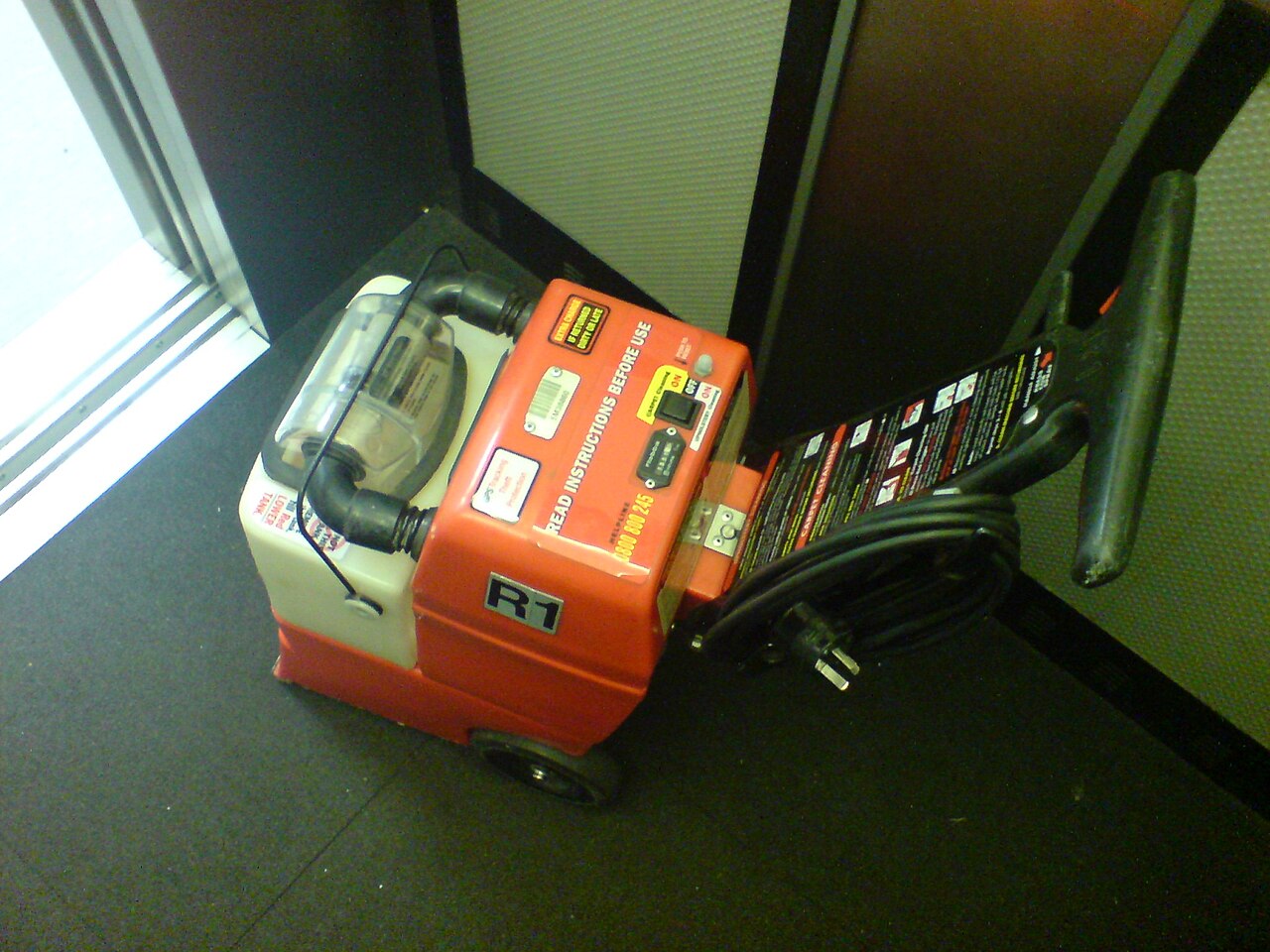
Renting a carpet cleaning machine may seem like a convenient solution when time is limited. However, using one incorrectly can leave carpets excessively damp.
Several factors contribute to this problem:
-
Too much water: Applying excessive moisture can extend drying time.
-
Insufficient extraction: Some machines may leave more water behind than expected.
-
Repeated cleaning: Going over the same area too many times can increase moisture levels.
-
Poor ventilation: Closed windows and limited airflow can slow drying.
Excess moisture can create unpleasant odors and may contribute to further problems if carpets remain damp for too long. Homeowners should follow equipment instructions carefully and avoid assuming that a carpet is ready for use simply because its surface feels dry.
Professional cleaning can be a practical alternative when older stains, heavily used areas, or limited drying time make DIY methods less appealing. Scheduling early also lets you ask about drying expectations and prepare the room before furniture is returned.
Build a Practical Two-Week Hosting Schedule
Trying to complete everything in the final few days can create unnecessary stress. A simple schedule helps homeowners distribute tasks and leave enough time for carpets and other surfaces to dry.
Days 14–11: Assess and Schedule
-
Walk through the main guest areas.
-
Identify carpet stains and high-traffic areas.
-
Arrange any cleaning appointments.
-
Decide which furniture adjustments are necessary.
Days 10–7: Handle Major Cleaning
-
Clean carpets and upholstery.
-
Wash window treatments if needed.
-
Dust furniture, shelves, and light fixtures.
-
Address entryways and frequently used surfaces.
Days 6–4: Improve Room Functionality
-
Rearrange furniture to create clear pathways.
-
Check seating arrangements.
-
Adjust lamps and replace bulbs.
-
Organize guest bedrooms and shared spaces.
Days 3–1: Final Preparation
-
Vacuum again if necessary after cleaning.
-
Wipe down frequently touched surfaces.
-
Prepare dining and serving areas.
-
Check that walkways remain clear.
-
Complete small decorative touches.
Leaving the final days for lighter tasks makes it easier to handle unexpected issues without disrupting the entire preparation schedule.
Avoid Common Last-Minute Mistakes
The pressure to prepare a home quickly can lead to decisions that create more work than they solve. A few common mistakes are worth avoiding.
Starting major renovations too late: Flooring replacement, painting several rooms, or extensive furniture changes may take longer than expected.
Ignoring drying times: Cleaning carpets immediately before guests arrive can be inconvenient if the fibers remain damp.
Buying furniture without measuring: New furniture may look appealing online but could make an already crowded room harder to navigate.
Cleaning only visible areas: Guests may spend time in hallways, dining spaces, and guest bedrooms that homeowners initially overlook.
Trying to complete everything at once: Prioritizing the most important tasks produces better results than rushing through every possible improvement.
Prepare for Thanksgiving Without Rushing Your Home
A two-week preparation window can accomplish quite a lot when homeowners focus on practical improvements. Deep cleaning, addressing carpet stains, adjusting furniture layouts, and improving lighting can make guest areas more comfortable without requiring a complete home makeover.
At the same time, recognizing which issues need a longer timeline is equally important. A holiday gathering should not become the reason for rushed renovation decisions or unnecessary spending.
Start with the areas guests will use most, schedule time-sensitive cleaning early, and save larger design decisions for a more suitable season. With a realistic plan, homeowners can welcome Thanksgiving guests into a home that feels clean, organized, and comfortable while keeping future improvements on the right track.