Amsterdam is one of those cities that works very well for a short break. The historic centre is compact, public transport is easy to use, and many major attractions are located fairly close to one another. Even so, a little planning can make the experience much smoother.
Small details often make the biggest difference. Knowing where to leave your bags, how to organise your sightseeing, and when to slow down can help you enjoy the city without feeling rushed. Here are 12 practical tips to keep in mind.
- 1. Keep Your Arrival Day Simple
- 2. Do Not Try to See Everything
- 3. Plan Your Day by Area
- 4. Book Popular Attractions in Advance
- 5. Understand the Public Transport System
- 6. Walk Whenever Possible
- 7. Pay Attention to Cycle Lanes
- 8. Carry Only What You Need
- 9. Be Ready for Changing Weather
- 10. Explore Beyond the Main Tourist Streets
- 11. Keep Important Details Available Offline
- 12. Plan Your Final Day Properly
- Conclusion
1. Keep Your Arrival Day Simple
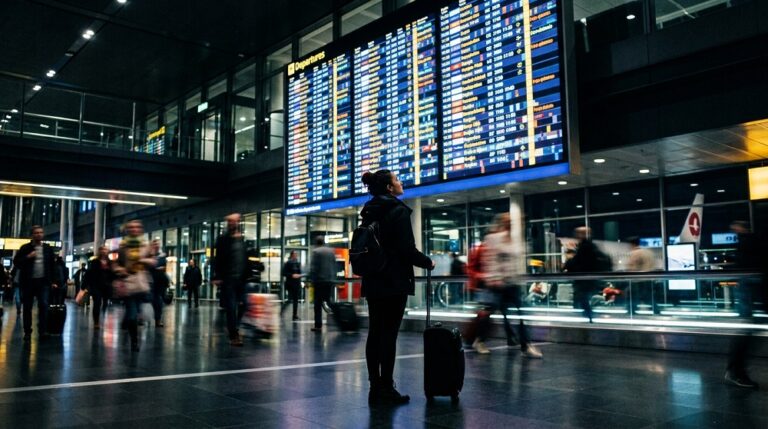
Many travelers arrive in Amsterdam before their hotel or apartment is ready. Carrying suitcases around the city for several hours can quickly become tiring.
If you arrive through Amsterdam Centraal, it may be useful to store luggage at Amsterdam Centraal station before starting your sightseeing. Radical Storage offers luggage storage options around major transport areas, which can make it easier to explore while waiting for check-in. Keep important items such as your passport, medication, wallet, and phone with you.
2. Do Not Try to See Everything
Amsterdam may look small on a map, but trying to fit too much into one day can make the trip feel stressful.
Choose a few main attractions for each day and leave some free time between them. That extra time gives you space to walk along the canals, stop for coffee, or explore a street you had not planned to visit. A relaxed schedule often makes a short trip more enjoyable.
3. Plan Your Day by Area
A simple way to save time is to group nearby attractions together. For example, Museumplein can be explored as one area, while the Jordaan and nearby canals can form another part of your itinerary. Dam Square and the historic centre also work well together.
4. Book Popular Attractions in Advance
Amsterdam’s main museums and attractions can become busy, especially on weekends and during peak travel periods.
If there is somewhere you definitely want to visit, booking ahead is a sensible choice. It can help you avoid disappointment and make your schedule easier to manage.
At the same time, avoid booking every hour of the day. Leave enough room for walking, meals, and unexpected delays.
5. Understand the Public Transport System
Amsterdam has trams, buses, metros, trains, and ferries, so getting around is usually straightforward.
For short trips through the centre, walking may be faster than waiting for transport. For longer distances, trams and metros can save time.
Check your route before leaving your accommodation so you know which option makes the most sense.
6. Walk Whenever Possible
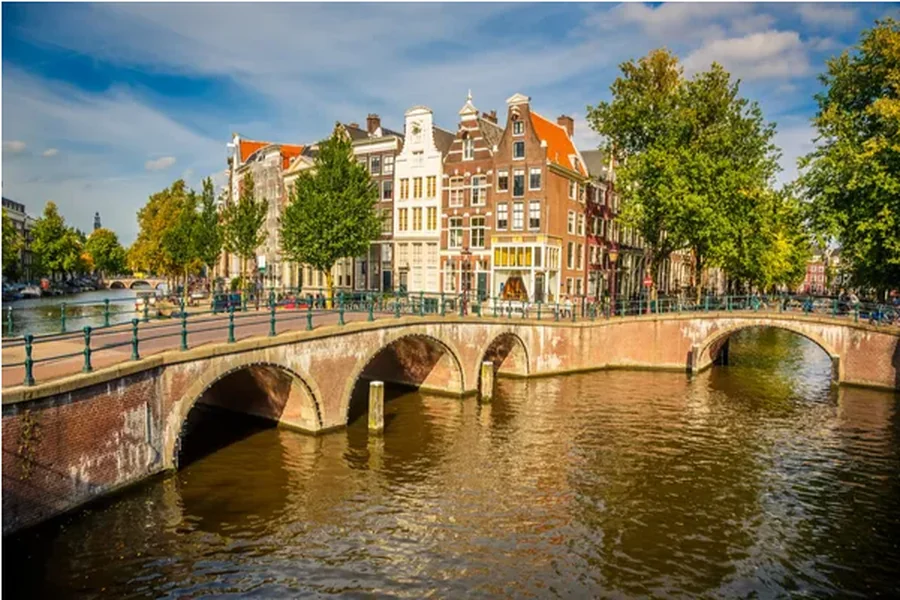
The city is full of small details that are easy to miss from a tram or taxi, including narrow streets, canal houses, bridges, local shops, and quiet courtyards.
Comfortable shoes are important, especially if you plan to spend most of the day exploring on foot.
7. Pay Attention to Cycle Lanes
Cycling is a major part of daily life in Amsterdam, so visitors need to be careful around bike lanes.
Avoid standing in cycle paths while checking your phone or taking photographs. Before crossing, look carefully in both directions.
The traffic pattern may feel unfamiliar at first, but it becomes much easier once you start paying attention to where cyclists have priority.
8. Carry Only What You Need
A heavy bag can become uncomfortable after a few hours of walking and sightseeing.
Try to carry only the essentials during the day, such as water, a charger, weather protection, and important documents.
The same idea can help on your final day. If your accommodation requires an early checkout, a luggage service such as Radical Storage can make it easier to spend a few more hours in the city without carrying suitcases everywhere.
9. Be Ready for Changing Weather
Amsterdam weather can change fairly quickly, so dressing in layers is usually a good idea.
A light waterproof jacket or compact umbrella can also be useful. Check the forecast each morning and plan outdoor activities around the better parts of the day.
10. Explore Beyond the Main Tourist Streets
The central areas of Amsterdam are popular for good reason, but there is more to the city than its busiest attractions.
Try to leave time for quieter neighbourhoods, local markets, parks, smaller cafés, and independent shops.
These areas often provide a different view of Amsterdam and can make the trip feel more balanced.
11. Keep Important Details Available Offline
Phones are useful for maps, bookings, transport, and tickets, but mobile data or battery life can sometimes become a problem.
Save important information before you leave your hotel. This might include your accommodation address, booking confirmations, transport details, and attraction tickets.
Screenshots can be especially helpful, and carrying a portable charger is also a sensible idea.
12. Plan Your Final Day Properly
Many travelers lose several useful hours on their departure day because they have not planned what to do after checkout.
Instead, choose one easy activity close to your departure route. You could have a relaxed breakfast, take a final canal walk, visit a nearby museum, or explore one last neighbourhood.
Just make sure you leave enough time to collect your bags and reach the station or airport without rushing.
Conclusion
A smooth Amsterdam city break does not require a complicated itinerary. Good planning is mostly about removing small problems before they become frustrating.
Think carefully about luggage, transport, attraction bookings, walking routes, and your final day. At the same time, leave some space for unplanned moments.
Amsterdam is a city that rewards slower exploration. Cover the places that matter most to you, but also give yourself time to enjoy the canals, neighbourhoods, cafés, and everyday atmosphere that make the city memorable.