
- Understanding Modern Aluminum Windows and Thermal Break Technology
- How Thermal Breaks Prevent Heat Transfer
- Standard vs. Thermally Broken Aluminum Frames
- Key Benefits and Performance of Milgard Aluminum Replacement Windows
- Design Flexibility and Architectural Profiles in Milgard Aluminum Replacement Windows
- Long-Term Value and Durability of Milgard Aluminum Replacement Windows
- Aluminum vs. Vinyl, Wood, and Fiberglass Window Materials
- Structural Strength and Sightline Comparison
- Thermal Performance and Maintenance Requirements
- Step-by-Step Measuring and Planning for Window Replacement
- How to Accurately Measure Existing Window Openings
- Installation Considerations for Full-Frame vs. Pocket Replacements
- Frequently Asked Questions About Aluminum Windows
- How long do modern aluminum replacement windows typically last?
- Are aluminum replacement windows energy efficient enough for extreme climates?
- What maintenance is required to keep aluminum frames in good condition?
- Conclusion
Understanding Modern Aluminum Windows and Thermal Break Technology
Choosing new windows for your home is a significant decision. The right selection can transform your living space, enhancing its aesthetic appeal, energy efficiency, and overall comfort. As of October 2026, homeowners have access to an impressive array of options, but modern aluminum replacement windows are increasingly standing out as a premier choice.
We understand that selecting windows is a long-term investment. Aluminum windows, once primarily known for their strength and commercial use, have evolved dramatically. Today, they offer homeowners a perfect blend of durability, sleek modern design, and advanced thermal performance.
In this extensive guide, we will delve deep into aluminum replacement windows. We’ll explore the cutting-edge technology that makes them energy-efficient, compare them to popular alternatives like uPVC, wood, and fiberglass, and discuss available styles and configurations. We aim to equip you with all the knowledge needed to make an informed decision for your home, including understanding options such as Milgard aluminum replacement windows.
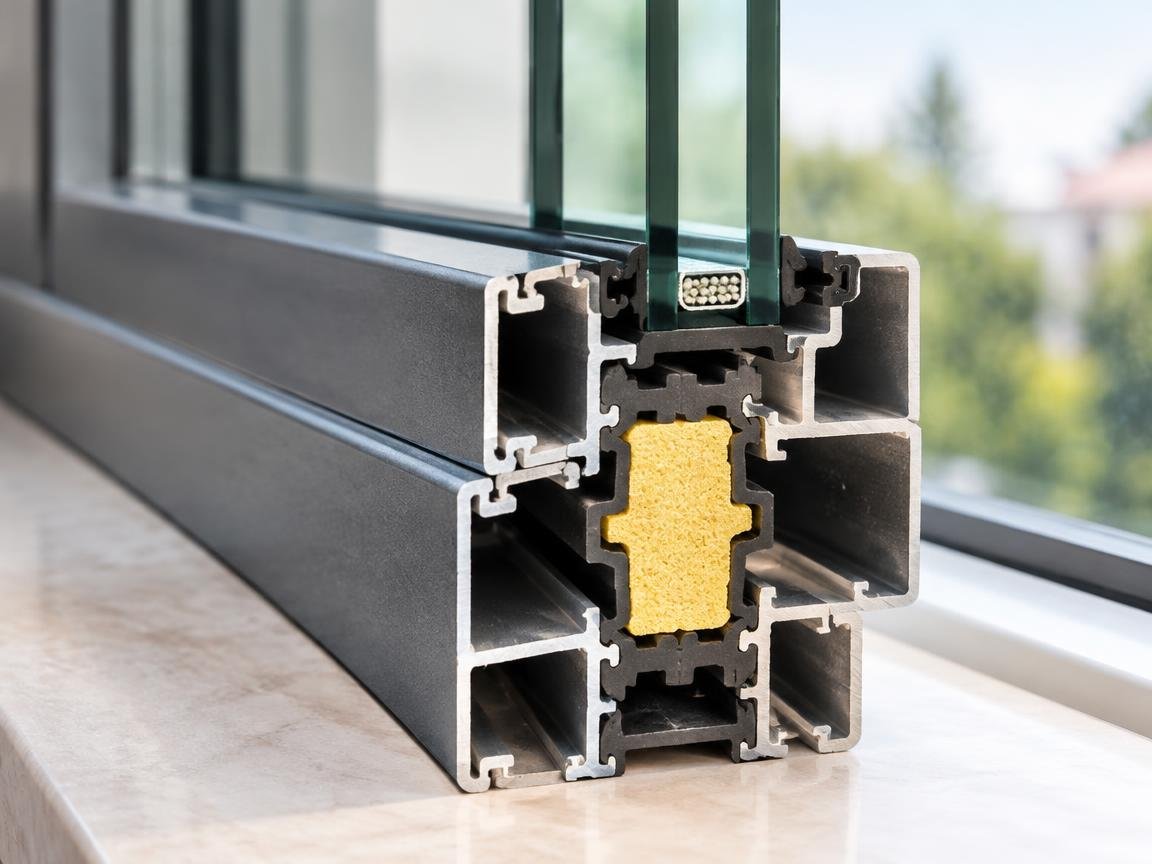
Aluminum, in its raw form, is an excellent conductor of heat. Historically, this characteristic posed a challenge for aluminum windows, limiting their energy efficiency. However, significant advancements in fenestration technology have led to the development of thermally broken aluminum windows, which dramatically improve their insulating properties.
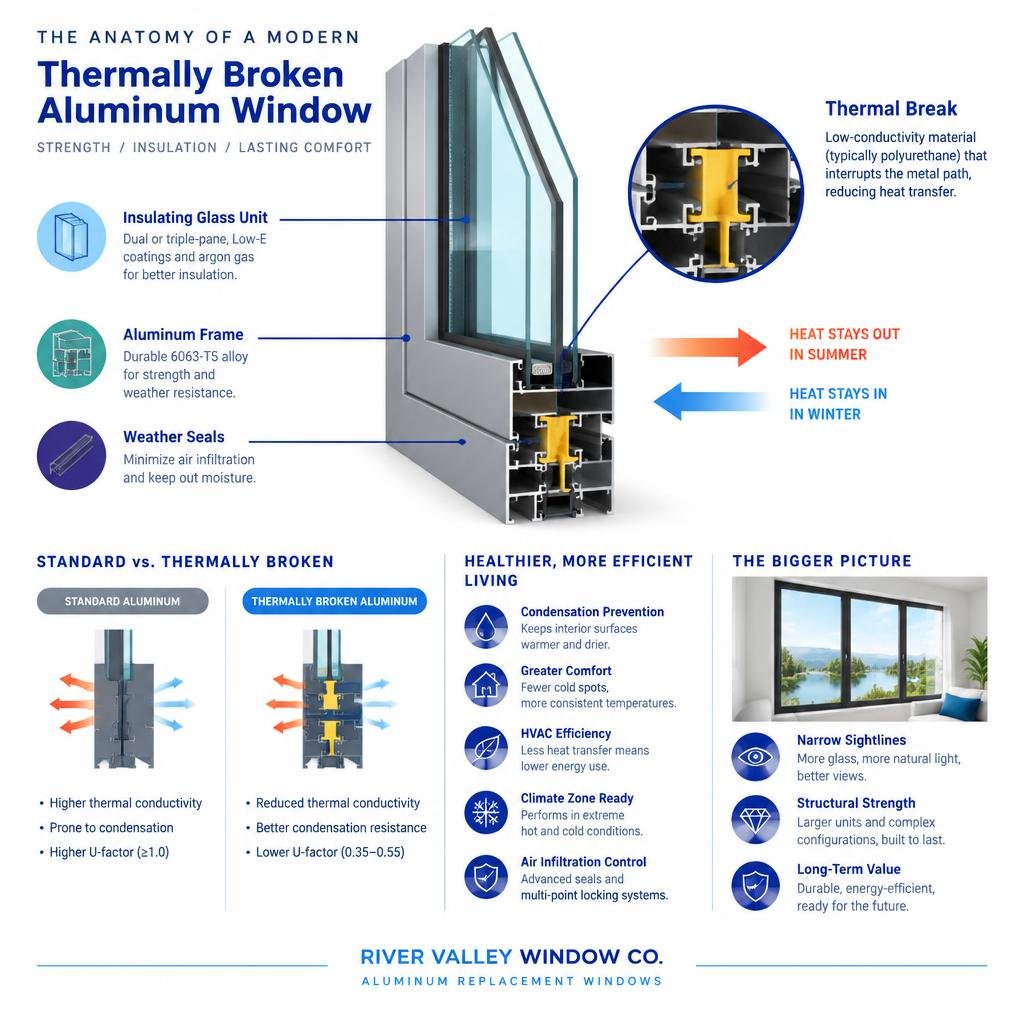
The core innovation lies in the thermal barrier – a non-metallic, low-conductivity material strategically placed within the aluminum frame. This barrier effectively separates the interior and exterior aluminum sections, preventing heat or cold from transferring directly through the frame. Common materials for these thermal breaks include polyurethane channels or polyamide strips, which possess significantly lower thermal conductivity than aluminum.
Aluminum itself has a thermal conductivity of approximately 205 W/(m·K), which is roughly 8,000 times higher than still air. Without a thermal break, this high conductivity would mean substantial heat loss in winter and heat gain in summer, leading to higher energy bills. By introducing a thermal break, the frame’s U-factor (a measure of heat transfer, where lower values indicate better insulation) is substantially reduced. For instance, non-broken aluminum frames might have a U-factor of 1.0 BTU/hr·ft²·°F or higher, whereas properly broken profiles can achieve U-factors in the range of 0.35-0.55 BTU/hr·ft²·°F.
Modern aluminum windows are typically fabricated from robust alloys like 6063-T5, known for their exceptional structural performance and resistance to the elements, ensuring long-term weather resistance. This combination of strength and advanced thermal design makes them suitable for a wide range of applications, from residential homes to commercial buildings.
How Thermal Breaks Prevent Heat Transfer
The primary function of a thermal break is to create conduction resistance. By interrupting the continuous metal path, the low-conductivity material minimizes the direct transfer of thermal energy from one side of the window frame to the other. This has several crucial benefits:
- Condensation Prevention: In colder climates, the interior surface of a non-thermally broken aluminum frame can become very cold, leading to condensation as warm, moist indoor air comes into contact with it. Thermal breaks keep the interior frame surface closer to room temperature, significantly reducing the likelihood of condensation.
- Interior Comfort: By maintaining more consistent temperatures across the window frame, thermal breaks contribute to greater interior comfort. There are fewer cold spots near windows, making rooms feel cozier and more evenly heated or cooled.
- HVAC Efficiency: Reduced heat transfer means less work for your heating, ventilation, and air conditioning (HVAC) system. This translates directly to improved HVAC efficiency and lower energy consumption.
- Climate Zones: The effectiveness of thermal breaks is particularly critical in diverse climate zones. In regions with extreme temperatures, whether hot or cold, thermally broken windows are essential for meeting stringent energy codes and achieving optimal performance.
- Air Infiltration: While thermal breaks primarily address conductive heat transfer, modern aluminum window designs also focus on minimizing air infiltration. Advanced sealing techniques and multi-point locking systems ensure a tight seal, further enhancing energy efficiency.
Standard vs. Thermally Broken Aluminum Frames
Understanding the distinction between standard (or non-thermally broken) and thermally broken aluminum frames is crucial for any homeowner considering replacement windows. The differences extend beyond just a material insert; they impact everything from energy bills to indoor comfort.
Feature Standard Aluminum Frames Thermally Broken Aluminum Frames Thermal Conductivity High; direct transfer of heat/cold Significantly reduced; low-conductivity barrier blocks transfer Condensation Resistance Low; prone to condensation in cold weather High; interior frame stays warmer, reducing condensation risk Energy Ratings (U-factor) Higher (e.g., ≥1.0 BTU/hr·ft²·°F) Lower (e.g., 0.35-0.55 BTU/hr·ft²·°F) for better insulation Lifecycle Value Lower energy savings, potential for moisture issues Higher energy savings, enhanced comfort, extended window life Best Use Case Interior applications, very mild climates, or where thermal performance is not critical All residential and most commercial applications, especially in varied climates The frame is only one component of a window’s thermal performance. The glass unit, which typically accounts for about 80% of the window’s surface area, also plays a massive role. Modern windows pair thermally broken frames with high-performance insulating glass, often featuring dual-pane or even triple-pane configurations, Low-E coatings (which reflect radiant heat), and argon gas fills (which are denser than air and reduce heat transfer between panes). The combination of these technologies is what truly drives the superior energy efficiency of today’s aluminum replacement windows.
Key Benefits and Performance of Milgard Aluminum Replacement Windows
Modern aluminum replacement windows offer a compelling suite of benefits for homeowners seeking a blend of aesthetics, durability, and performance. One of their most celebrated features is their ability to achieve incredibly narrow sightlines. Because aluminum is exceptionally strong for its weight, frames can be designed with a minimal profile, maximizing the viewable glass area. This allows more natural light into your home and provides expansive, unobstructed views, creating a brighter and more open living space.
The inherent structural rigidity of aluminum frames is another significant advantage. This strength enables manufacturers to create larger window units and complex configurations that might be impractical or impossible with other materials. The robust frame strength ensures stability and longevity, even in challenging weather conditions.
Manufacturers like Milgard have been at the forefront of this evolution, offering advanced aluminum window solutions. Their offerings often include a variety of finishes, such as anodized bronze and clear anodized, which not only enhance the aesthetic appeal but also provide exceptional corrosion resistance and a lasting finish. The durability of these finishes means minimal maintenance over the window’s lifespan. Some advanced models even offer enhanced impact resistance options, crucial for homes in high-wind or coastal regions.
Design Flexibility and Architectural Profiles in Milgard Aluminum Replacement Windows
The versatility of aluminum allows for an extensive range of window styles and configurations, making it a favorite among architects and designers. Homeowners can choose from classic options to highly customized solutions:
- Casement windows: Hinged at the side, these offer excellent ventilation and a tight seal when closed.
- Horizontal sliders: Ideal for openings where width is greater than height, providing easy operation.
- Single-hung windows: Feature a fixed upper sash and a movable lower sash.
- Picture windows: Fixed, non-operable windows designed to maximize views and natural light.
- Geometric shapes: Custom shapes and sizes are easily achievable with aluminum, allowing for unique architectural statements.
This design flexibility makes aluminum windows perfectly suited for contemporary architecture and those seeking a minimalist design aesthetic. The slim profiles seamlessly integrate with modern home designs, creating clean lines and a sophisticated look. Many aluminum window systems also offer color-matched hardware, ensuring a cohesive and polished finish that complements the overall design. Whether you’re renovating an Eichler-style home or designing a new modern residence, aluminum windows can provide the desired aesthetic and functionality.
Long-Term Value and Durability of Milgard Aluminum Replacement Windows
One of the most compelling reasons to choose aluminum replacement windows is their exceptional long-term value and durability. Aluminum-clad windows are renowned for their longevity, typically lasting 30 years or more with minimal maintenance. This impressive lifespan is largely due to aluminum’s inherent resistance to corrosion, weathering, and fading.
Modern aluminum frames are engineered for enduring performance. They often feature sealed, mechanically joined corners that ensure the frame remains square and true over decades, preventing issues like warping or sagging. The inherent strength of the material also contributes to superior weatherproofing, as the frames can withstand significant wind loads and resist impacts from debris.
Maintenance requirements for extruded aluminum are remarkably low. Unlike wood, which may require regular painting or staining, aluminum frames retain their appearance with very little effort. The advanced finishes, such as anodized coatings, provide excellent finish retention and UV resistance, meaning the color won’t fade or chalk significantly over time. This minimal maintenance translates into cost savings and more free time for homeowners.
Investing in high-quality aluminum replacement windows means investing in a product that will perform reliably and look great for decades, enhancing both the aesthetic and functional value of your home.
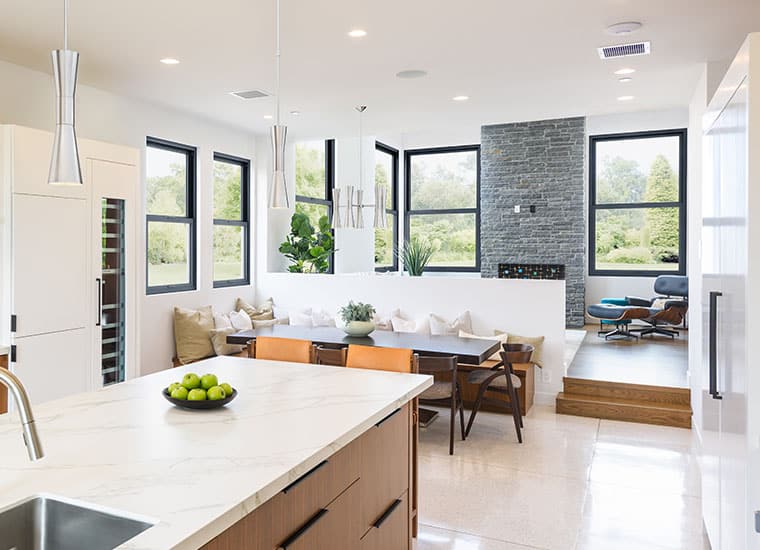
Aluminum vs. Vinyl, Wood, and Fiberglass Window Materials
Choosing the right window material is a critical decision, as each option offers a unique set of characteristics regarding aesthetics, performance, and maintenance. When considering material comparison, homeowners often weigh aluminum against popular alternatives like vinyl, wood, and fiberglass. Key factors in this comparison include frame depth, aesthetic profiles, expansion coefficients (how much a material expands and contracts with temperature changes), and structural load capacity.
Structural Strength and Sightline Comparison
Aluminum stands out significantly in terms of structural strength. Its high strength-to-weight ratio allows for exceptionally slim profiles and larger glass areas compared to other materials. This means a higher glass-to-frame ratio, which translates to more natural light and expansive views. For example, while uPVC frames might be limited to sash heights of around 102.5 inches, aluminum can support sashes over 10 feet high with equivalent or even slimmer frame depths. This capability is particularly appealing for modern designs that prioritize open sightlines and a seamless connection to the outdoors. The inherent structural rigidity of aluminum also makes it ideal for complex window configurations and large window walls, contributing to a sleek and sophisticated architectural appeal.
In contrast, vinyl and wood frames generally require thicker profiles to achieve adequate structural integrity, which can reduce the amount of visible glass. Fiberglass offers good strength but may not always match aluminum’s ability to create the absolute slimmest sightlines for very large openings.
Thermal Performance and Maintenance Requirements
While aluminum’s thermal conductivity was once a drawback, modern thermally broken designs have largely overcome this. However, it’s still useful to compare the overall performance and maintenance needs across materials.
Feature Aluminum Replacement Windows Vinyl Replacement Windows Fiberglass Replacement Windows Wood Replacement Windows Durability Excellent; resists corrosion, weathering, and fading; 30+ years lifespan Good; resists rot and insects; can become brittle over time; 20-40 years lifespan Excellent; resists warping, rotting, corrosion; 50+ years lifespan Good; prone to rot, insects, and warping if not maintained; 20-30 years lifespan Maintenance Needs Minimal; occasional cleaning Minimal; occasional cleaning Minimal; occasional cleaning High; regular painting/staining, sealing, and inspection Profile Thickness Very slim; maximizes glass area Thicker than aluminum for structural integrity Relatively slim; good balance of strength and aesthetics Thicker; traditional appearance Structural Strength Excellent; ideal for large openings and complex designs Moderate; can sag or warp in large sizes Excellent; very stable and strong Moderate; can be affected by moisture and temperature Thermal Efficiency Excellent with thermal breaks and high-performance glass Excellent; naturally insulating Excellent; low thermal conductivity Good; natural insulator, but can have air leakage issues if not well-maintained When it comes to thermal efficiency, vinyl and fiberglass are naturally good insulators due to their material composition. However, as noted earlier, advanced thermally broken aluminum windows, especially when paired with high-performance insulated glass, can achieve energy performance comparable to or even exceeding that of vinyl or fiberglass.
Maintenance needs vary significantly. Aluminum and fiberglass require minimal upkeep, typically just periodic cleaning. Vinyl is also low-maintenance. Wood, while offering a classic aesthetic, demands the most attention, requiring regular painting, staining, and sealing to prevent rot resistance, warping prevention, and to maintain its exterior finishing against moisture and pests.
The choice ultimately depends on a homeowner’s priorities regarding aesthetics, budget, structural requirements for large openings, and willingness to perform maintenance. For those prioritizing modern aesthetics, expansive views, and long-term durability with minimal upkeep, thermally broken aluminum windows present a compelling option.
Step-by-Step Measuring and Planning for Window Replacement
Accurate measurement is the cornerstone of any successful window replacement project. Incorrect measurements can lead to costly delays, ill-fitting windows, and compromised performance. Before ordering your new aluminum replacement windows, meticulously plan and measure. This involves understanding your existing opening dimensions, evaluating the rough opening, performing a level check, ensuring square alignment, and assessing the sill condition.
How to Accurately Measure Existing Window Openings
Whether you’re planning a DIY replacement or preparing for a professional installation, precise measurements are non-negotiable. Here’s a guide to accurately measure your existing window openings:
- Width Measurement: Measure the width of the window opening in three different places: across the top, middle, and bottom. Always measure from the inside of the existing window frame.
- Height Measurement: Similarly, measure the height of the window opening in three different places: at the left, center, and right. Measure from the inside of the existing window frame.
- Smallest Dimension Recording: For both width and height, note down the smallest measurement from your three readings. This is your critical dimension, ensuring the new window will fit without forcing it into a too-small opening.
- Frame Clearance: Subtract a small amount (typically 1/4 to 1/2 inch, depending on manufacturer specifications) from the smallest width and height measurements to allow for proper frame clearance and shimming during installation. This ensures the window can be installed plumb and level.
- Depth Measurement: Measure the depth of your window frame from the interior wall to the exterior siding or brick. This helps determine the appropriate frame depth for your new window and any necessary extensions or trims.
It is always recommended to double-check measurements before ordering to avoid errors. If you’re unsure, consulting with a window professional for precise measurements is a wise investment.
Installation Considerations for Full-Frame vs. Pocket Replacements
When replacing windows, homeowners typically have two main installation methods: pocket installation (also known as insert replacement) or full-frame tear-out (also known as full-frame replacement). Each method has distinct implications for cost, complexity, and final appearance.
- Pocket Installation: In a pocket installation, the existing window sash and sometimes the trim are removed, but the original window frame remains intact. The new window unit, often slightly smaller, is then inserted into this existing frame opening.
- Pros: Less invasive, quicker, and generally less expensive as it involves minimal demolition.
- Cons: Reduces the amount of visible glass area slightly, as the new frame sits within the old one. It doesn’t address potential issues with the old frame or surrounding wall structure.
- Best Use: When the existing window frame is in excellent condition, plumb, and square, and you want to minimize disruption.
- Full-Frame Tear-Out: This method involves completely removing the old window, including the frame, down to the rough opening. A new window, often with an integral nail fin, is then installed directly into the rough opening.
- Pros: Allows for a complete inspection and repair of the rough opening, ensures proper flashing integration and a continuous weather barrier, and maximizes the new window’s visible glass area. It’s the best method for addressing water management issues and ensuring long-term performance.
- Cons: More invasive, takes longer, and is generally more expensive due to the additional labor for demolition and potential repairs.
- Best Use: When the existing frame is rotted, damaged, or out of square, or when you want to achieve the best possible energy performance and aesthetics with a new construction-grade window.
For both methods, proper perimeter sealing with high-quality sealants and insulation is critical for energy efficiency and weather protection. While a skilled DIY enthusiast might undertake a pocket installation, professional installation is highly recommended for full-frame tear-outs to ensure proper flashing, sealing, and structural integrity. Consulting or hiring a professional for proper installation can prevent costly mistakes and ensure your new aluminum windows perform as intended for decades to come.
Frequently Asked Questions About Aluminum Windows
Homeowners often have specific questions when considering aluminum replacement windows. Here, we address some of the most common inquiries to help you make an informed decision.
How long do modern aluminum replacement windows typically last?
Modern aluminum replacement windows are renowned for their exceptional service life and durability. Thanks to advancements in material science and manufacturing processes, they typically last 30 years or more with minimal maintenance. This longevity is largely attributable to aluminum’s inherent corrosion resistance, its ability to withstand extreme weather conditions without warping or rotting, and the durability of modern finishes that resist fading and chalking. The seal longevity of the insulated glass units is also excellent, contributing to the overall lifespan and consistent energy performance.
Are aluminum replacement windows energy efficient enough for extreme climates?
Absolutely. While historically, aluminum was not considered the most energy-efficient material, modern thermally broken aluminum windows have completely revolutionized their performance. By incorporating low-conductivity thermal barriers within the frame, these windows significantly reduce heat transfer. When combined with high-performance Low-E insulated glass (often dual or triple-pane with argon gas fills) and optimized solar heat gain coefficient (SHGC) ratings, they can perform exceptionally well in both hot and cold climates.
Many thermally broken aluminum windows meet or exceed stringent ENERGY STAR criteria and even comply with advanced building codes like IECC 2021 for climate zones 1-5. For example, ENERGY STAR 2025 U-factor thresholds range from 0.27 in Northern zones to 0.32 in Southern zones, and modern thermally broken aluminum windows are designed to meet these standards, ensuring comfort and energy savings even in extreme conditions.
What maintenance is required to keep aluminum frames in good condition?
One of the significant advantages of aluminum replacement windows is their minimal maintenance requirements. Unlike wood, which needs regular painting or staining, extruded aluminum frames retain their appearance with very little effort. To keep them in excellent condition, we recommend:
- Mild detergent: Annually, or as needed, clean the frames with a soft cloth, warm water, and a mild, non-abrasive detergent. Avoid harsh chemicals or abrasive cleaners that could damage the finish.
- Annual inspection: Periodically inspect the frames, glass, and seals for any signs of wear or damage. Address any minor issues promptly to prevent them from escalating.
- Track cleaning: For sliding windows, keep the tracks free of dirt, dust, and debris to ensure smooth operation. A vacuum cleaner with a brush attachment can be effective, followed by a wipe-down.
- Weatherstrip inspection: Check the weatherstripping around the sashes for any cracks, tears, or compression. Worn weatherstripping can compromise energy efficiency and weather protection.
With this simple routine, your aluminum frames will maintain their pristine appearance and structural integrity for decades.
Conclusion
Choosing replacement windows is a pivotal decision that impacts your home’s comfort, energy consumption, and aesthetic appeal for decades to come. As of October 2026, modern aluminum replacement windows stand as a testament to innovation, offering a compelling blend of benefits that address the needs of today’s homeowners.
From their inherent structural rigidity and ability to create expansive, light-filled spaces with narrow sightlines, to the advanced thermal break technology that ensures exceptional energy performance, aluminum windows have evolved into a top-tier fenestration choice. Their long-term durability and minimal maintenance requirements further underscore their value, providing peace of mind and a wise investment.
Whether you’re drawn to the sleek, modern design that aluminum offers or are seeking a robust, low-maintenance solution that will stand the test of time, we believe that exploring thermally broken aluminum replacement windows will lead you to an informed decision that enhances your home’s architectural value and comfort for many years to come.