Smartphone marketing tends to lead with whichever spec sounds most impressive that year, which makes it easy to focus on the wrong details. Choosing well means matching a handful of genuinely important features to how you actually use a phone, rather than chasing numbers that look good on a spec sheet.
- Battery Life Over Battery Size
- Consider Charging Speed Too
- Storage That Matches Your Habits
- Skip the Base Storage Tier if You Take a Lot of Photos
- Camera Quality Beyond Megapixels
- Check Real Sample Photos, Not Just Specs
- Display Quality for How You’ll Use It
- Software Update Commitment
- Processor Performance for Your Actual Use
- Build Quality and Durability
- Compatibility With Your Ecosystem
- Repairability and Long-Term Cost
- Buy for How You Actually Use a Phone
Battery Life Over Battery Size
A large battery capacity doesn’t automatically mean strong battery life — screen efficiency, processor optimisation, and software all affect how long a charge actually lasts in daily use. Reviews that test real-world battery performance are more reliable than the raw capacity number alone.
Consider Charging Speed Too
Fast charging matters almost as much as total battery life for daily convenience — a phone that recovers a significant charge in fifteen minutes is often more useful day to day than one with slightly longer total endurance but slow charging.
Storage That Matches Your Habits
Running out of storage is one of the most common frustrations with an otherwise good phone. Photo and video habits, in particular, consume storage faster than most people expect.
Skip the Base Storage Tier if You Take a Lot of Photos
The cheapest storage option is rarely enough for anyone who takes photos and videos regularly. If the device doesn’t support expandable storage, it’s worth paying more upfront for a higher tier than dealing with constant storage management later.
Camera Quality Beyond Megapixels
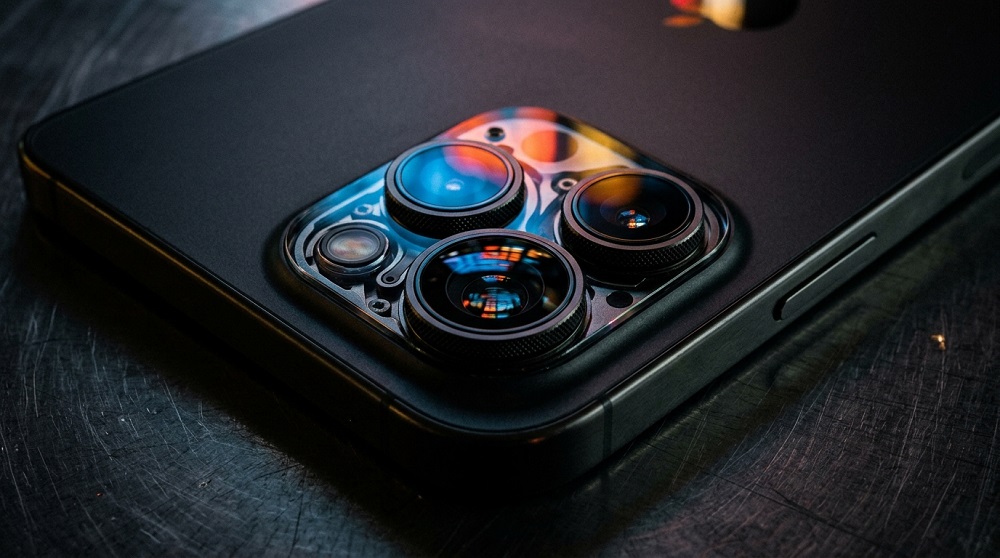
Megapixel count is one of the least reliable indicators of actual photo quality. Sensor size, lens quality, and software processing matter far more, particularly in low light — conditions where cheaper cameras with high megapixel counts often perform worse than expected.
Check Real Sample Photos, Not Just Specs
Reviewing sample images taken in varied lighting conditions gives a far more accurate picture of camera performance than comparing spec sheets between models.
Display Quality for How You’ll Use It
Screen resolution matters less than panel type and refresh rate for everyday experience. An OLED display generally offers better contrast and colour than an LCD, and a higher refresh rate (90Hz or 120Hz) makes scrolling and animations noticeably smoother, though it also affects battery life.
Software Update Commitment
How long a manufacturer commits to providing software and security updates significantly affects a phone’s usable lifespan, regardless of its hardware specs. A phone with a longer update commitment often remains secure and functional years longer than one with strong specs but limited support.
Processor Performance for Your Actual Use
Flagship processors matter most for gaming, heavy multitasking, or professional editing work. For everyday use — messaging, browsing, social media, casual photography — a mid-range processor performs perfectly well, and paying for flagship performance you won’t use is often unnecessary.
Build Quality and Durability
Water resistance ratings, screen protection glass, and overall build materials affect how well a phone survives daily wear and accidental drops. These details rarely appear prominently in marketing but matter considerably over years of ownership.
Compatibility With Your Ecosystem
A phone’s value extends beyond the device itself — how well it integrates with other devices, accounts, and services you already use affects daily convenience considerably. Switching ecosystems entirely carries a real adjustment cost worth factoring into the decision.
Repairability and Long-Term Cost
Some manufacturers make batteries and screens easier and cheaper to replace than others, directly affecting the total cost of ownership over the phone’s life. A slightly cheaper phone with expensive or difficult repairs can end up costing more over several years than a pricier one that’s easier to maintain.
Buy for How You Actually Use a Phone
The most expensive phone with every available feature isn’t necessarily the right choice. Matching battery life, storage, camera quality, and software support to actual daily habits — rather than chasing whichever spec is being marketed hardest — leads to a far better long-term purchase.