A plain t-shirt and jeans can look effortless on one person and unfinished on another, and the difference rarely comes down to the clothes themselves. Style is mostly about small adjustments — fit, layering, proportion, finishing touches — applied to pieces most people already own.
- Fit Matters More Than the Piece Itself
- Tailoring Is an Underused Tool
- Master a Few Layering Combinations
- Pay Attention to Proportion
- Balance Loose With Fitted
- Use Accessories to Do the Heavy Lifting
- One Statement Piece Is Enough
- Play With Texture, Not Just Colour
- Roll, Tuck, and Adjust
- Choose the Right Footwear for the Outfit’s Tone
- Small Adjustments, Consistently Applied
Fit Matters More Than the Piece Itself
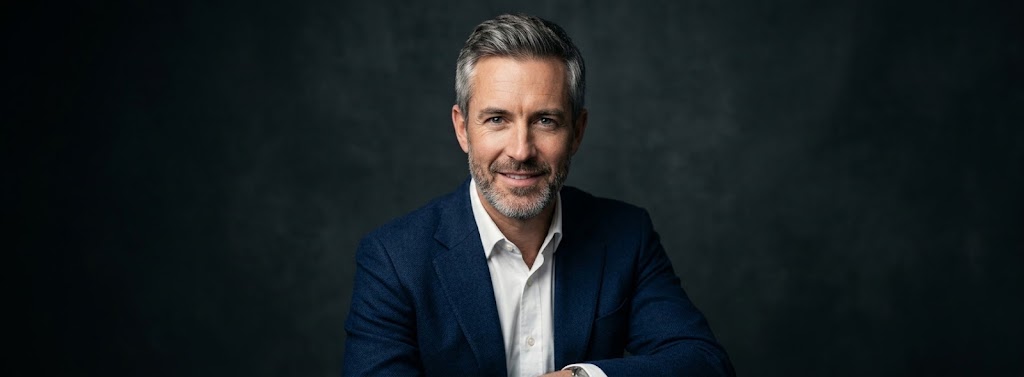
The single biggest difference between an outfit that looks put-together and one that looks accidental is fit. A t-shirt that skims the body rather than hanging loose, trousers that sit correctly at the waist, a jacket that doesn’t strain at the shoulders — these details register instantly, even to someone who couldn’t say why an outfit works.
Tailoring Is an Underused Tool
A basic piece altered to fit properly often looks more expensive and intentional than an unaltered designer item that doesn’t. Hemming trousers, taking in a waist, or shortening sleeves are small, inexpensive changes with an outsized effect on how finished an outfit looks.
Master a Few Layering Combinations
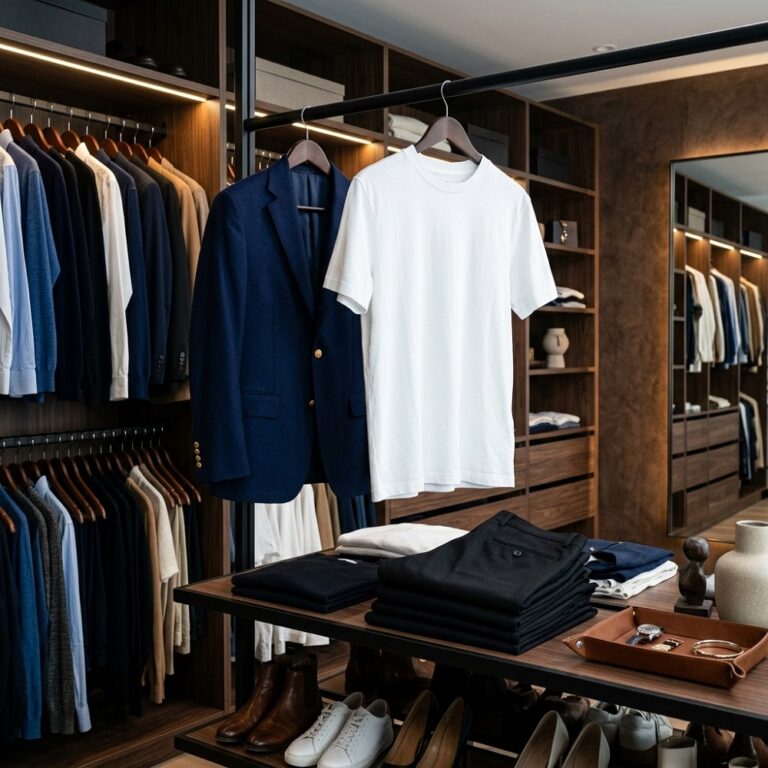
Layering adds visual interest and structure to an otherwise plain outfit, and it doesn’t require many pieces to work — just a few that combine well.
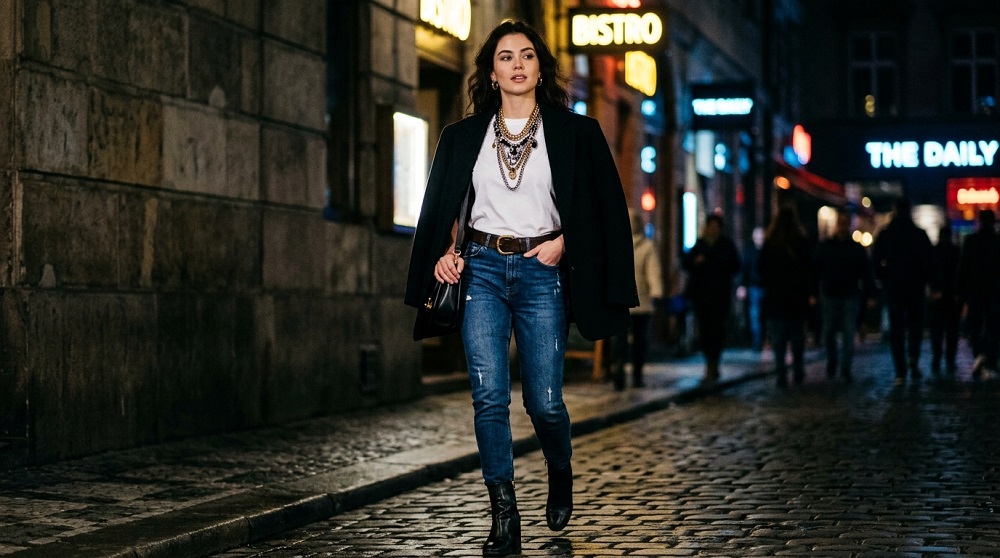
A simple, reliable formula: a fitted base layer, a mid layer with some structure (shirt, cardigan, blazer), and an outer layer if needed. Varying the lengths slightly — a longer shirt under a cropped jacket, a shorter layer over a longer one — adds depth without adding complexity.
Pay Attention to Proportion
Outfits often look “off” not because any single piece is wrong, but because the proportions clash — everything loose, or everything fitted, with nothing to create contrast.
Balance Loose With Fitted
Pair a relaxed top with slimmer trousers, or a fitted top with wider-leg bottoms. This contrast is what makes an outfit read as intentional rather than simply “clothes put on in the right order.”
Use Accessories to Do the Heavy Lifting
A plain outfit becomes a considered one the moment a few accessories are added — a belt, a watch, layered jewellery, a scarf, a bag in a contrasting texture. These are the cheapest and fastest way to add personality without buying new clothing.
One Statement Piece Is Enough
A single distinctive accessory — a bold bag, a patterned scarf, a striking pair of shoes — draws the eye and elevates a simple outfit far more effectively than several competing for attention at once.
Play With Texture, Not Just Colour
Two neutral pieces in different textures — a knit jumper with tailored trousers, a leather jacket over a cotton shirt — create visual interest without needing colour or pattern at all. Texture contrast is one of the easiest ways to make an all-neutral outfit feel deliberate rather than plain.
Roll, Tuck, and Adjust
Small styling actions change how an outfit reads:
- Tucking in a shirt, even partially (a “French tuck”), adds shape to an otherwise shapeless silhouette
- Rolling sleeves adds a casual, put-together look to a plain top
- Cuffing trousers can modernise an otherwise simple pair of jeans
None of these require buying anything — they’re adjustments to what’s already in the wardrobe.
Choose the Right Footwear for the Outfit’s Tone
Shoes shift the entire register of an outfit more than almost any other piece. The same jeans and t-shirt read completely differently in trainers, boots, or loafers — matching the shoe to the intended tone (casual, smart-casual, polished) pulls the whole look together.
Small Adjustments, Consistently Applied
Making basic outfits look more stylish rarely requires new clothes. It requires attention to fit, a little layering, some contrast in proportion or texture, and a finishing accessory or two — small habits that, applied consistently, make a wardrobe of plain pieces look far more considered than it actually is.