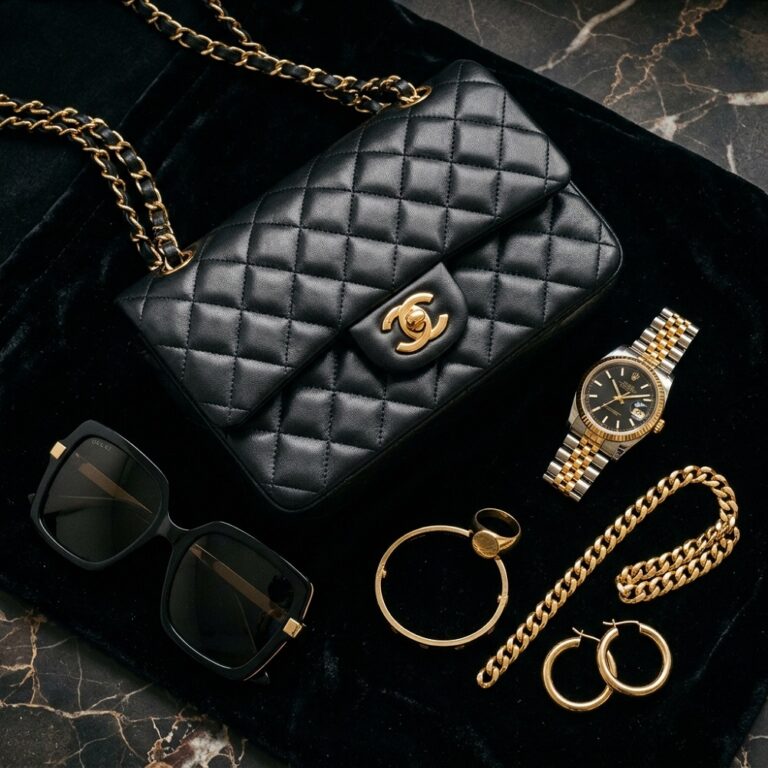
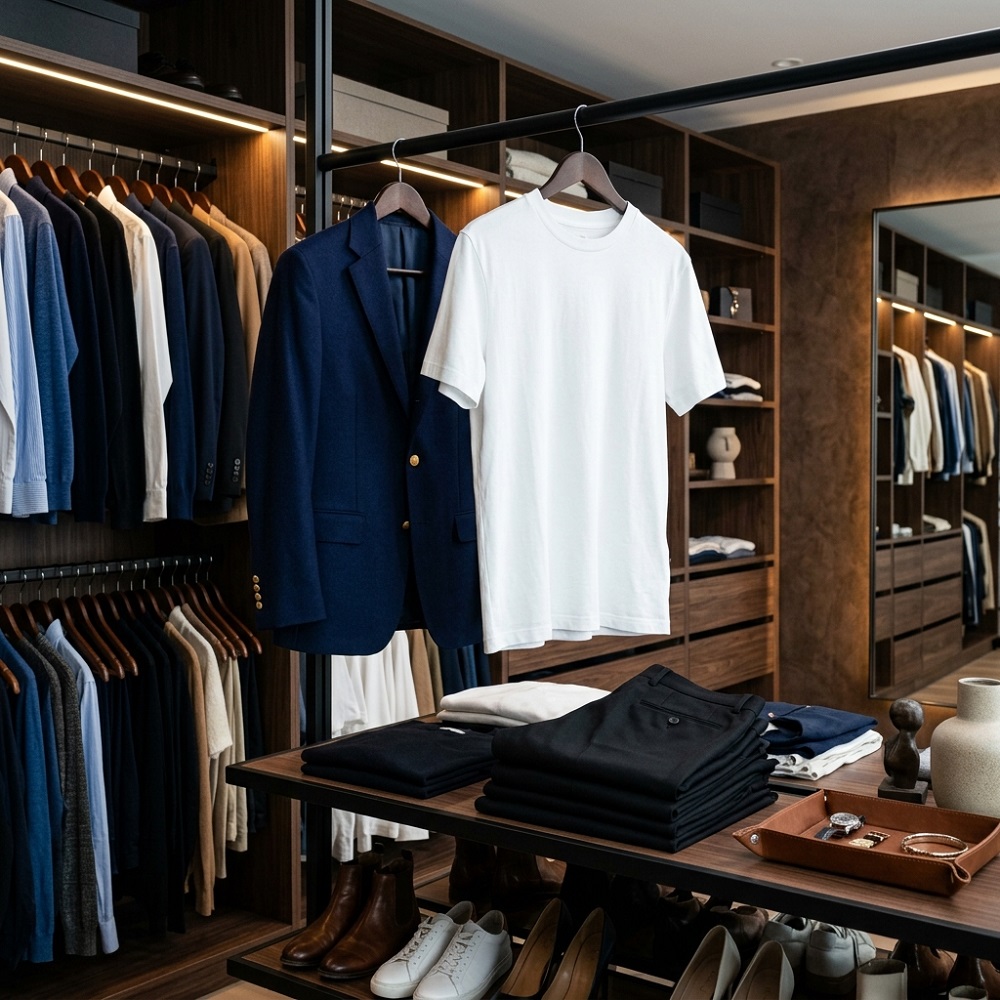
A closet full of clothes and nothing to wear is a familiar contradiction, and it usually comes from buying pieces one at a time with no plan for how they’ll work together. A versatile wardrobe isn’t about owning more — it’s about owning items that combine into far more outfits than their number would suggest.
- Start With a Neutral Base
- Save Colour and Pattern for Accents
- Prioritise Fit Over Trend
- Choose Fabrics That Actually Last
- Build Around a Capsule, Not a Collection
- A Simple Starting Framework
- Think in Outfits, Not Individual Pieces
- Dress for Your Actual Life
- Edit Regularly, Not Just When Buying
- Quality Over Quantity, Consistently
Start With a Neutral Base
Neutrals — black, white, navy, grey, beige, and denim — mix with almost everything, which is what makes a wardrobe feel flexible rather than restrictive. Building your core pieces in these tones means any new item added later has a far better chance of pairing with what you already own.
Save Colour and Pattern for Accents
Bold colours and prints aren’t the problem — building the whole wardrobe around them is. Use them in smaller pieces: a scarf, a shirt, a bag. They stand out more that way, and they don’t limit what the rest of the outfit can be.
Prioritise Fit Over Trend
A well-fitted basic outshines a trendy piece that doesn’t sit right, every time. Trends fade within a season or two; a properly fitted blazer, a pair of trousers that sit correctly at the waist, or a shirt that doesn’t pull across the shoulders stays useful for years.
If a piece needs alterations to fit well, that’s often a worthwhile investment — a few pounds spent on tailoring extends the life and wearability of a garment far more than buying another item that fits poorly.
Choose Fabrics That Actually Last
Cheaper fabrics wear out fast, lose shape, and often look tired after a handful of washes. A smaller wardrobe of well-made pieces in natural or durable fabrics — cotton, wool, quality blends — tends to outlast a larger one bought on price alone, and it costs less over time once you account for replacement.
Build Around a Capsule, Not a Collection
A capsule wardrobe is a small set of pieces chosen specifically because they combine with each other. Rather than buying items in isolation, ask before every purchase: what will this pair with that I already own?
A Simple Starting Framework
A workable everyday capsule typically includes:
- Two or three pairs of trousers or jeans in neutral tones
- Five to seven tops in a mix of neutrals and one or two accent colours
- One or two jackets or layering pieces
- A couple of dresses or skirts, if worn regularly
- Two to three pairs of shoes covering casual, smart, and weather needs
Think in Outfits, Not Individual Pieces
Before buying anything, picture at least three outfits it could complete with items you already own. A piece that only works with one other thing in your closet is a much weaker addition than one that instantly opens up several combinations.
Dress for Your Actual Life
A wardrobe built around an idealised lifestyle — formalwear for events you rarely attend, athletic wear for a routine that hasn’t started — creates clutter without usefulness. Build around the week you actually live: what you wear to work, to errands, to whatever occupies most of your days.
Edit Regularly, Not Just When Buying
A versatile wardrobe needs occasional maintenance. Every season, remove what hasn’t been worn, doesn’t fit, or no longer suits your routine. This isn’t just decluttering — it makes what remains easier to see and combine, and it clarifies what’s actually missing before your next purchase.
Quality Over Quantity, Consistently
The core principle behind a versatile wardrobe is simple: fewer, better pieces that combine flexibly beat a large collection of items that only work in isolation. Built this way, getting dressed stops being a daily puzzle and starts being a five-minute decision from a closet where almost everything already works together.