
When money, property, or trust is at stake, workplace investigations can become difficult. You may have missing inventory, conflicting employee statements, or concerns about misconduct. Records and interviews can provide useful information, but those sources do not always resolve every question. You need a way to examine specific concerns without relying on assumptions alone.
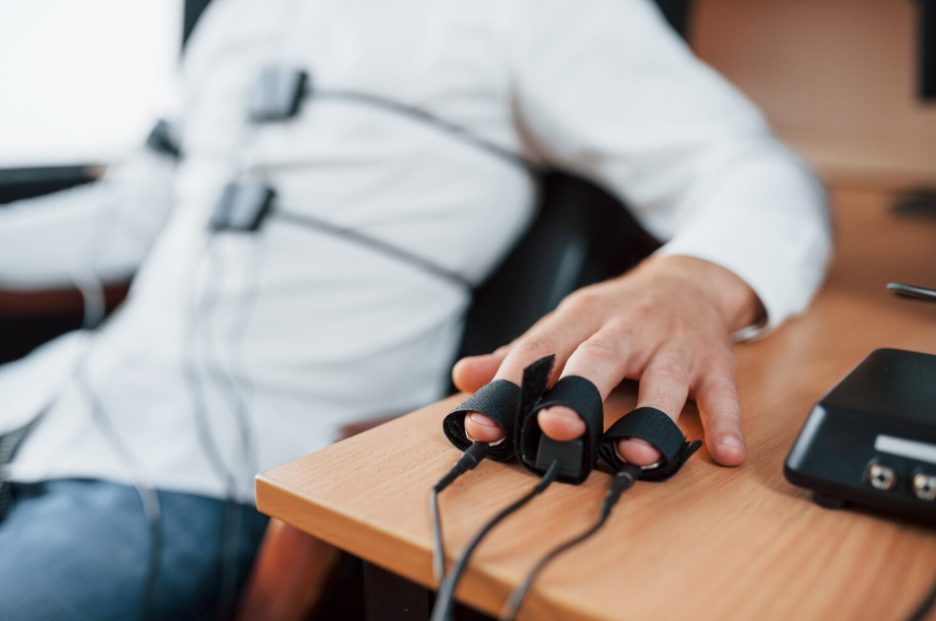
A professional polygraph examination can provide another investigative resource when a workplace issue is suitable for testing. A qualified examiner uses carefully structured questions and records physiological responses during the examination. The resulting information can then be considered alongside documents, interviews, and other evidence.
So, why do companies still use lie detector tests today?
The following six reasons explain where professional polygraph testing can fit into workplace investigations when legally permitted and when the circumstances meet the applicable requirements.
Reason 1: Resolve Serious Workplace Disputes
Companies may use polygraph testing when employees provide conflicting accounts about a serious workplace incident. Theft, property loss, financial misconduct, and other disputes can create uncertainty when the available evidence does not clearly establish what happened. A focused examination can provide additional information about a specific disputed issue.
A professional examination does not simply ask whether an employee is honest. The examiner develops relevant questions around the incident under review. The questions focus on specific facts that can be addressed with clear yes-or-no responses.
The approach can help companies examine disputed statements in a structured way. A lie detector examination should still be considered alongside interviews, records, surveillance footage, and other evidence. The goal is to add useful investigative information, not replace the broader investigation.
Reason 2: Investigate Suspected Theft and Loss
Employee theft can cause financial losses while creating uncertainty about who was responsible. You may know that cash, inventory, equipment, or company property is missing, but identifying the person involved can be difficult. Polygraph testing may provide an additional investigative option when the circumstances are appropriate.
The examiner can develop questions around a specific loss or suspected act. A focused examination allows the investigation to address relevant conduct instead of making broad claims about an employee's character or honesty.
Companies should continue reviewing financial records, access logs, transaction histories, security footage, and other evidence. Polygraph results can add another source of information when those investigative methods leave important questions unresolved.
Reason 3: Verify Specific Employee Statements
Companies sometimes need to examine a particular statement made during an investigation. An employee may deny taking property, accessing restricted information, or participating in a workplace incident. When the disputed statement concerns a suitable issue, a professional examination can provide another way to evaluate the matter.
Specific questions help keep the examination focused. The examiner discusses the questions with the examinee before testing and makes sure the questions address the relevant issue. That process helps prevent vague or confusing questions from becoming the focus of the examination.
A polygraph result does not automatically prove that an employee is truthful or deceptive. Instead, the result can contribute to the overall assessment of the disputed statement. Companies can then compare the examination findings with other evidence before reaching a decision.
Reason 4: Encourage Truthful Cooperation
A formal examination can influence how employees approach a serious workplace investigation. When an employee knows that specific allegations may be examined through a professional testing process, the employee may have greater motivation to provide accurate information.
Polygraph testing can also give an employee an opportunity to address a specific allegation directly. An employee who strongly denies involvement may choose to participate in an examination to provide additional information about the disputed issue.
However, willingness to take a polygraph should not be treated as proof of innocence. Refusing an examination should not automatically be treated as proof of misconduct either. In the United States, employers also face significant restrictions on polygraph testing under federal law and applicable state laws, so its use is generally limited to narrow circumstances and specific inquiries. Companies should consider the complete circumstances and follow applicable employment laws and policies.
Reason 5: Add Another Source Of Evidence
Companies rarely rely on one source of information during a serious investigation. Interviews, documents, digital records, physical evidence, and security footage can all contribute to the process. A polygraph examination can provide another source of information when the issue is suitable for testing.
Professional testing involves more than connecting an employee to an instrument. The examiner conducts a pre-test interview, develops appropriate questions, collects physiological data, and analyzes the resulting charts using an established testing technique.
The additional information can be useful when viewed in context. A company can compare the examination results with existing evidence rather than allowing one result to determine the entire outcome. That approach supports a more complete investigative process.
Reason 6: Address Unresolved Questions
Some workplace investigations remain inconclusive even after a company reviews available records and interviews the people involved. You may have evidence that something happened but still have unanswered questions about a specific person's involvement. Polygraph testing may offer another investigative option in suitable cases.
The examination can address a clearly defined issue rather than attempting to resolve every aspect of an investigation at once. Proper question formulation, examiner training, and a validated testing technique all matter when conducting the examination.
That structured process explains why companies may continue to consider polygraph testing today. Modern workplace investigations have many tools available, but some cases still involve disputed facts that require additional examination. A professional polygraph can serve as one part of that broader process.
Conclusion
Companies still use lie detector tests to address serious workplace disputes, suspected theft, conflicting statements, and unresolved questions. Professional polygraph testing can provide additional investigative information when a specific issue is suitable for examination.
In the United States, federal and state laws place narrow limits on when employers may request or use polygraph testing. If you are considering testing, define the exact issue, review the available evidence and applicable laws, and work with a qualified examiner who follows appropriate testing procedures.