Modernizing your home doesn’t necessarily mean tearing down walls, replacing every cabinet, or spending months on a major renovation. With the right improvements, you can create a fresher, more functional, and contemporary living space while keeping your budget and disruption under control.
Small changes to lighting, color, hardware, furniture, technology, and energy efficiency can dramatically change how your home looks and feels. The goal is to make targeted upgrades that deliver noticeable results without unnecessary construction.
Start With a Modern Color Palette
One of the easiest ways to refresh your home is by updating its color scheme. Contemporary interiors often benefit from neutral foundations combined with carefully selected accent colors.
Consider:
- Warm whites and soft neutrals
- Natural wood tones
- Muted greens or blues
- Black or metallic accents
- Textured fabrics for visual interest
You don’t have to repaint every room. Updating a feature wall, hallway, or living area can create an immediate difference.
Key Takeaway: A carefully chosen color palette can make an older interior feel significantly more contemporary.
Upgrade Your Lighting
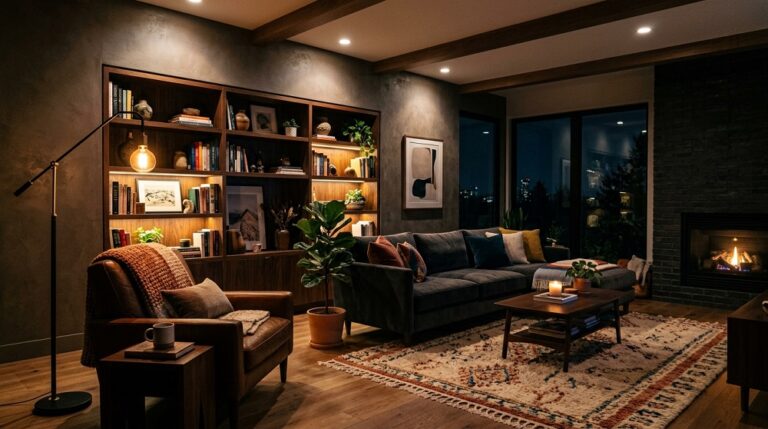
Lighting has a major influence on interior design. Outdated fixtures can make an otherwise attractive room feel old-fashioned.
Replace dated ceiling lights with modern fixtures and consider adding layered lighting through:
- Floor lamps
- Pendant lights
- Wall sconces
- Under-cabinet lighting
- Adjustable LED bulbs
LED lighting can also improve energy efficiency while giving you more control over brightness and ambiance.
Refresh Hardware and Fixtures
Replacing small hardware is one of the most affordable home improvement projects available.
Instead of replacing an entire kitchen or bathroom, update:
- Cabinet handles
- Drawer pulls
- Faucets
- Shower fixtures
- Door handles
- Light switches
Modern finishes such as matte black, brushed metal, or other contemporary styles can provide a cohesive appearance.
For additional interior inspiration, homeowners can explore design ideas on All Home Decors and compare different approaches before purchasing materials.
Introduce Smart Home Technology
Modern homes are increasingly connected. Fortunately, adding smart home technology doesn’t require extensive electrical work.
Simple additions can include:
- Smart bulbs
- Video doorbells
- Smart thermostats
- Automated blinds
- Smart plugs
- Wireless security systems
These devices can improve convenience, security, and energy management while giving your home a more contemporary feel.
Update Soft Furnishings
Furniture and accessories can quickly make a room look dated. You don’t necessarily need to purchase an entirely new furniture set.
Instead, consider replacing or updating:
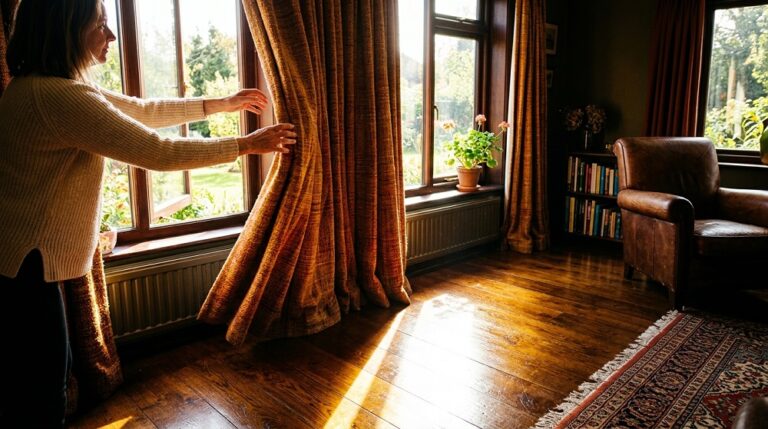
- Curtains
- Area rugs
- Cushions
- Throws
- Bedding
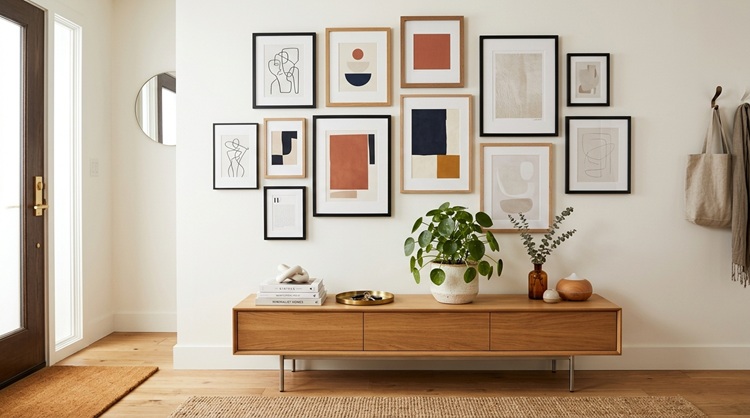
- Artwork
Choose pieces that complement your new color palette and create a consistent visual style.
Key Takeaway: Soft furnishings offer a low-cost way to introduce contemporary design without structural changes.
Improve Storage and Organization
Modern interior design is often associated with clean, uncluttered spaces. Improving storage can make your home feel larger and more organized.
Consider adding:
- Floating shelves
- Storage benches
- Built-in organizers
- Baskets and decorative containers
- Multi-purpose furniture
Reducing visible clutter can instantly improve the appearance of living spaces.
Bring Natural Elements Indoors
Natural materials and greenery can make contemporary interiors feel warmer and more inviting.
Try adding:
- Indoor plants
- Wooden accessories
- Natural-fiber rugs
- Stone accents
- Woven baskets
These elements work particularly well with neutral color schemes and can create a comfortable connection between indoor and outdoor spaces.
For more home styling inspiration and decorating concepts, resources such as Casa in Decor can help homeowners explore different approaches to contemporary interiors.
Improve Your Entryway and Curb Appeal
Modernization shouldn’t stop at the front door. Your home’s exterior creates the first impression for visitors and can influence perceived property value.
Affordable improvements include:
- Repainting the front door
- Updating exterior lighting
- Replacing house numbers
- Adding planters
- Cleaning pathways
- Updating the mailbox
Even simple maintenance can make an older property appear more attractive and cared for.
Choose Improvements That Add Long-Term Value
When deciding which projects to complete, prioritize improvements that combine appearance, functionality, and durability.
Focus on upgrades that:
- Improve everyday comfort
- Reduce energy consumption
- Require minimal maintenance
- Complement the existing architecture
- Appeal to future buyers
Homeowners can also use resources such as Decorator Advice to explore practical decorating and home improvement ideas before starting a project.
Conclusion
Modernizing your home without a major renovation is all about making strategic improvements rather than undertaking expensive structural changes. Updated lighting, contemporary colors, new hardware, smart technology, improved storage, modern furnishings, and better curb appeal can completely refresh a property.
You don’t need to rebuild your home to make it feel new. By prioritizing affordable upgrades that improve appearance, comfort, efficiency, and functionality, you can create a modern living environment while keeping renovation costs and disruption under control.