- Key Takeaways
- 1. Start With Safety at the Crash Scene
- 2. Seek Medical Care Even If Symptoms Seem Mild
- 3. Report the Crash and Exchange Basic Information
- 4. Gather Useful Evidence Without Creating More Risk
- 5. Build a Simple Medical and Expense File
- 6. Handle Insurance Calls With Care
- 7. Avoid Common Mistakes That Can Complicate a Claim
- 8. Know That Oklahoma Rules Can Affect the Process
- 9. When a Legal Consultation May Be Worth Considering
- Frequently Asked Questions
- Should I call the police after a minor crash?
- What if pain begins days after the collision?
- How long does a car accident claim take?
- Conclusion
Key Takeaways
- Get yourself and others out of immediate danger before worrying about photos, paperwork, or insurance calls.
- Seek medical attention promptly, even when symptoms seem minor at first.
- Preserve practical evidence, including photographs, witness details, vehicle information, and medical records.
- Notify insurers with accurate basic facts, but avoid guessing about fault, injuries, or the future.
- Oklahoma-specific deadlines and insurance issues can affect the choices available after a collision.
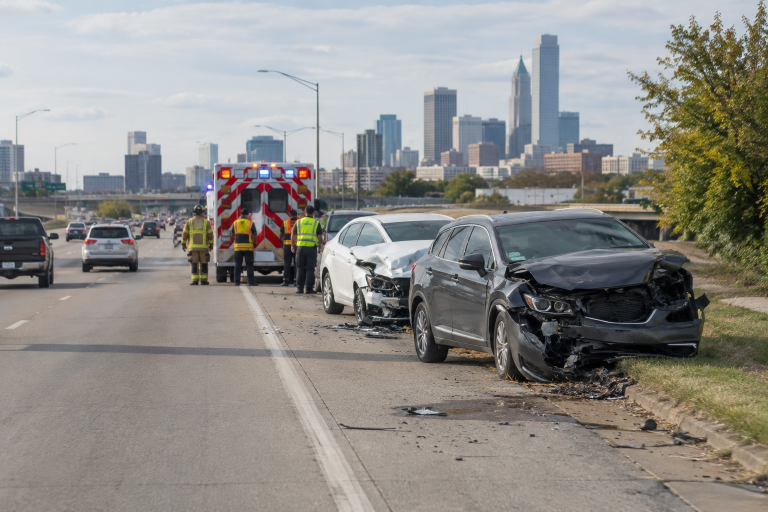
A serious collision can turn an ordinary drive through Tulsa into a confusing and stressful day. Whether the crash happens during heavy traffic on I-44, near the Broken Arrow Expressway, or on a neighborhood street, the first priorities are physical safety and medical care. Once immediate danger has passed, a clear record of what happened can make insurance and recovery decisions more manageable.
People facing major injuries, disputed responsibility, or confusing insurer communications may decide to speak with personal injury lawyers in Tulsa, OK, to understand their options. A consultation is not the same as filing a lawsuit. It can simply help someone identify important evidence, coverage questions, and deadlines before critical information disappears.
1. Start With Safety at the Crash Scene
Check yourself and passengers for injuries, then look for immediate hazards such as moving traffic, smoke, leaking fuel, fire, or a disabled vehicle in an active lane. Turn on hazard lights if possible. If it is safe and the vehicle can be moved, getting out of the flow of traffic may reduce the risk of another collision. Do not take risks to move a vehicle, however, especially if someone may have a neck, back, or serious head injury.
Call 911 when anyone is injured, the roadway is unsafe, vehicles cannot be moved safely, or emergency assistance is needed. Avoid moving an injured person unless leaving them where they are creates a greater danger. Evidence matters, but nobody should stand in traffic or approach a dangerous vehicle just to capture a photograph.
2. Seek Medical Care Even If Symptoms Seem Mild
Some crash injuries are obvious, while others become noticeable only after the adrenaline of the event fades. Headaches, dizziness, neck stiffness, nausea, confusion, numbness, abdominal pain, and sleep disruption all deserve attention from a medical professional. Explain that the symptoms followed a motor vehicle crash so the provider has a clear history.
Urgent evaluation may be especially important for worsening headaches, repeated vomiting, loss of consciousness, unusual drowsiness, weakness, numbness, trouble speaking, severe chest pain, or severe abdominal pain. The warning signs of concussion and brain injury can help families recognize symptoms that need emergency care after a blow or jolt to the head or body.
3. Report the Crash and Exchange Basic Information
A police report can create an early record of the date, location, parties involved, and conditions officers observed. Reporting requirements vary with the circumstances, so it is wise to follow directions from law enforcement and check local requirements promptly. Oklahoma drivers can also use the state’s information about requesting collision reports when they need to locate a report after the incident.
When it is safe to do so, exchange basic information with the other driver:
- Full name, phone number, and address
- Driver’s license and vehicle registration information
- Vehicle make, model, color, and license plate number
- Insurance company and policy information
- Names and contact details for witnesses
Keep the conversation calm and limited to necessary facts. Do not argue about responsibility at the scene, apologize in a way that could be misunderstood as an admission, or speculate about what another driver did not see.
4. Gather Useful Evidence Without Creating More Risk
If the scene is safe, use a phone to take wide and close photographs of vehicle damage, the roadway, traffic signals, debris, skid marks, weather, lighting, visible injuries, and license plates. Photos taken from multiple angles can be more useful than a single close-up image. A short written note about the time, location, direction of travel, and sequence of events may also help preserve details while they are fresh.
Save any dashcam footage before it is overwritten. Keep relevant ride-share receipts, towing documents, text messages about the crash, and contact information for nearby businesses or homes that may have security cameras. Witnesses can become difficult to reach, and video may not be retained for long, so early preservation can matter.
5. Build a Simple Medical and Expense File
Create one paper folder or secure digital folder for crash-related documents. Include medical visit summaries, prescriptions, test results, bills, insurance correspondence, repair estimates, towing charges, rental-car receipts, and records of missed work. Keep copies rather than relying on a single email inbox or a damaged phone.
A brief daily journal can also be useful. Record pain levels, sleep problems, mobility limits, appointments, medications, work absences, and activities you could not complete. The goal is accuracy, not dramatization. Clear notes can help explain how injuries affected everyday life over time.
6. Handle Insurance Calls With Care
Promptly notifying your own insurer is usually an important practical step. Provide basic, truthful information about the collision, but avoid filling gaps in your knowledge with guesses. It is reasonable to say you are still receiving medical evaluation if you do not yet know the full extent of an injury.
Be cautious with recorded statements, broad medical authorizations, and settlement releases. A quick settlement may not account for follow-up treatment, time away from work, or symptoms that have not fully developed. Read every document before signing it, and ask questions when its effect is unclear.
7. Avoid Common Mistakes That Can Complicate a Claim
- Leaving without reporting or exchanging information when doing so is required or practical.
- Putting off medical evaluation despite persistent or worsening symptoms.
- Stopping recommended treatment without discussing the reason with a provider.
- Posting detailed crash discussions, injury updates, or activity photos on social media.
- Repairing, selling, or disposing of the vehicle before documenting its condition.
- Giving inconsistent accounts of the crash to doctors, police, and insurers.
- Assuming a police report alone resolves every disagreement about fault.
8. Know That Oklahoma Rules Can Affect the Process
Insurance coverage, reporting obligations, fault questions, and legal filing deadlines can vary based on the facts of a crash. Those issues may become more complex when the collision involves a commercial truck, government vehicle, motorcycle, pedestrian, uninsured driver, multiple vehicles, or several insurance policies. Identifying the relevant deadlines early is safer than waiting until treatment or repair negotiations are already underway.
9. When a Legal Consultation May Be Worth Considering
A legal consultation may be useful when injuries are serious or long-lasting, fault is disputed, an insurer denies coverage, multiple parties are involved, or a settlement offer arrives before recovery is clear. It can also help when missed work, future treatment, or uninsured or underinsured motorist coverage may be involved. Understanding available options early can support better decisions without committing anyone to litigation.
Frequently Asked Questions
Should I call the police after a minor crash?
The answer depends on the circumstances and applicable rules. Injuries, significant damage, unsafe road conditions, or a disagreement about what occurred are all reasons a report may be especially helpful.
What if pain begins days after the collision?
Contact a medical professional promptly and explain when the crash occurred and when symptoms began. Delayed symptoms should not be ignored simply because they were not obvious at the scene.
How long does a car accident claim take?
Timing depends on the severity of injuries, length of treatment, repair issues, available coverage, and whether fault is disputed. A claim may take longer when important medical or insurance questions remain unresolved.
Conclusion
After a serious Tulsa car crash, the most useful next steps are practical: get to safety, seek medical care, report the event, preserve evidence, organize records, and communicate carefully with insurers. A calm checklist cannot erase the impact of a collision, but it can help protect health and make the path forward easier to understand.