An Uber accident is not the same as a typical car crash. Multiple insurance policies, a rideshare app, and a large corporation all play a role in who pays and how much you can recover.
If you were hurt in a rideshare crash, the evidence you gather, and how fast you gather it, shapes the outcome of your case. Strong evidence for an Uber accident claim starts in the first hours after the crash and continues through every stage of the claims process.
- Why Evidence Matters in a Rideshare Accident Claim
- Fault and Damages Both Need Proof
- Evidence to Gather at the Scene
- Police Reports and Official Documentation
- Reports Are a Starting Point, Not the Final Word
- Medical Records and Documentation of Injuries
- Digital Evidence From the Rideshare App
- GPS and App Data Can Reconstruct the Timeline
- Witness Statements and Other Supporting Evidence
- How an Experienced Attorney Can Help
Why Evidence Matters in a Rideshare Accident Claim
Rideshare accidents involve layers that a standard collision does not. The rideshare company’s insurance coverage only applies under specific conditions tied to the driver’s status on the app at the time of the crash.
Coverage generally falls into three phases: the driver is logged in and waiting, the driver has accepted a ride request, or the driver is actively transporting a passenger. The two active phases typically carry much higher liability limits than the waiting phase.
Fault and Damages Both Need Proof
Insurance companies often dispute a driver’s app status to avoid paying out under higher policy limits. Strong evidence is what turns your account of events into a case an insurer cannot easily deny.
You need to establish two things: fault, meaning someone was negligent, and harm, meaning you suffered real, documented losses. Without solid documentation, an insurer may deny liability or argue your injuries are less serious than they are.
Evidence to Gather at the Scene
What you do in the first minutes and hours after a crash can make or break your claim. A basic on-scene checklist includes:
- Calling for emergency response so officers can create a police report
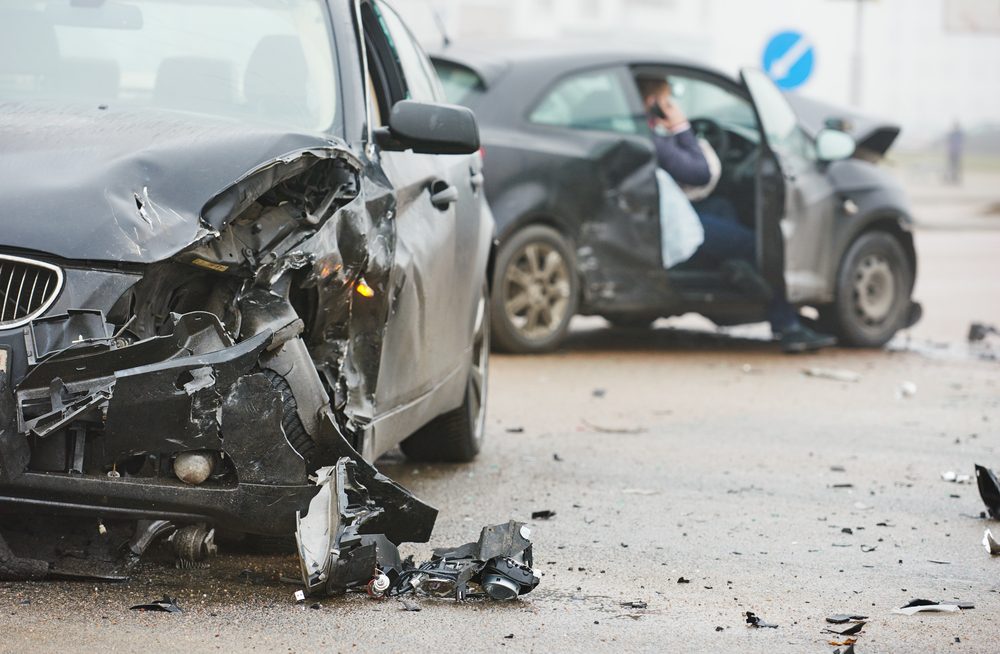
- Photographing vehicle damage, license plates, skid marks, and visible injuries
- Capturing surrounding conditions like weather, lighting, and traffic signals
- Collecting witness names, phone numbers, and a brief note of what they saw
- Preserving damaged personal items that show the force of impact
- Noting nearby surveillance cameras, since many systems overwrite footage within days
Photographs of the scene are often the most persuasive evidence insurers and juries rely on when weighing liability.
Police Reports and Official Documentation
A police report is frequently the backbone of a rideshare accident claim. It creates an official, time-stamped account that insurers reference when evaluating fault.
A typical report includes the date, time, and location of the collision, contact and insurance information for everyone involved, an officer’s diagram of the scene, and any noted traffic violations.
Reports Are a Starting Point, Not the Final Word
An officer’s opinion carries weight, but it is not conclusive. An attorney can use photos, video, and accident reconstruction to challenge or reinforce what is in the report.
Reports sometimes contain errors, like incorrect vehicle descriptions or missing witness statements. An experienced rideshare accident attorney can request corrections and use them strategically during negotiations.
Medical Records and Documentation of Injuries
Medical records are the primary link connecting your injuries to the crash. Insurers often downplay injuries when documentation is thin, so prompt medical attention matters even when pain feels minor at first.
Save emergency room records, specialist notes, physical therapy documentation, prescription receipts, and any counseling records tied to emotional trauma. A consistent treatment timeline helps prove the accident caused your ongoing limitations and losses.
Digital Evidence From the Rideshare App
Digital evidence can matter as much as physical damage. Screenshot your trip details right away, including the driver’s information, license plate, pickup and drop-off locations, and timestamps.
Trip receipts confirm the ride was active on the platform at the time of the crash. Preserve any in-app messages, text threads, and call logs related to the trip as well.
GPS and App Data Can Reconstruct the Timeline
Rideshare apps track driver status through timestamps and GPS data. This information helps show whether the driver was offline, en route, or actively transporting a passenger when the crash occurred, which determines which insurance policy applies.
Legal intervention is often required to access this data. An attorney can send preservation letters and formal requests so the rideshare company does not delete critical logs before they are secured.
Witness Statements and Other Supporting Evidence
Additional evidence often fills gaps that strengthen a claim. Independent witness accounts from other drivers, passengers, and pedestrians provide an unbiased perspective that can be persuasive during negotiations.
Keep records of every communication with insurance adjusters, along with claim numbers and coverage letters. Financial documentation like pay stubs and employer letters can support a lost wages claim, while repair estimates document property losses.
How an Experienced Attorney Can Help
Handling every evidence task alone while recovering from injuries is rarely realistic. An experienced Uber accident attorney can send time-sensitive preservation letters to secure trip logs and GPS data before they are lost or overwritten.
A local personal injury law firm can also request police reports and available footage, track down witnesses who left the scene, and work with accident reconstruction specialists to establish exactly how the crash occurred.
Medical experts can connect specific injuries to the collision, and economic experts can calculate lost earnings in more serious cases. Throughout the process, an attorney manages all insurer communications, protecting you from statements that could undermine your claim.
If you were injured in a rideshare accident, do not wait to get help. Contact an experienced personal injury attorney today to protect your evidence and pursue the compensation you deserve.