Facial rejuvenation has come a long way, with treatments ranging from advanced skincare and injectables to more comprehensive surgical procedures. In Melbourne, where cosmetic treatments are widely available, choosing the right approach requires a clear understanding of what each option can achieve. Advanced facial lifting surgery has gained attention for its approach to addressing visible signs of facial aging, particularly sagging skin and changes in facial contours. Understanding how this procedure works, what makes it different from conventional facelift techniques, and who may benefit from it can help you make a more informed decision.
- What Makes a Deep Plane Facelift Different From a Traditional Facelift?
- Who Usually Benefits Most From This Procedure?
- Why the Consultation Matters More Than Most People Expect
- What to Expect During Recovery After a Facelift
- Why Natural-Looking Results Matter in Facial Rejuvenation
- How a Facelift Fits Into a Long-Term Facial Aging Plan
- What to Remember Before Making Any Decision
What Makes a Deep Plane Facelift Different From a Traditional Facelift?
A deep plane facelift differs from traditional facelift techniques in how it addresses the underlying structures of the face. Rather than focusing primarily on tightening loose skin, this procedure works beneath the superficial musculoaponeurotic system (SMAS) to release and reposition deeper facial tissues, including structures supported by facial retaining ligaments.
As the face ages, changes occur beyond the skin’s surface. Facial tissues gradually descend, contributing to sagging cheeks, prominent jowls, and deeper folds around the nose and mouth. By repositioning these underlying structures, a deep plane facelift aims to restore facial contours while avoiding excessive tension on the skin.
The procedure requires a detailed understanding of facial anatomy and careful surgical planning. Choosing a qualified, experienced surgeon is essential because the technique involves working near important facial nerves and other delicate structures. If you’re considering a deep plane facelift Melbourne has local facial plastic surgery specialists who use this advanced approach to address age-related changes in facial structure. These professionals can assess your facial anatomy, discuss realistic outcomes, and determine whether the procedure is appropriate for your individual needs.
Who Usually Benefits Most From This Procedure?
Not everyone needs a deep plane facelift, particularly those with mild signs of facial aging who may benefit from less invasive treatments. The procedure is generally more suitable for individuals experiencing noticeable jowling, sagging in the lower face, reduced jawline definition, and deeper folds around the cheeks and mouth.
Suitable candidates often include people in their forties, fifties, and sixties, although age alone does not determine eligibility. Factors such as skin elasticity, facial bone structure, volume loss, previous cosmetic procedures, and overall health play an important role in determining whether this surgical approach is appropriate.
Individuals considering this procedure typically want to achieve a refreshed, natural-looking appearance without obvious signs of surgery. However, it is important to understand that a facelift primarily addresses sagging facial tissues. Additional treatments, such as skin resurfacing, fat grafting, or eyelid surgery, may be recommended to address other concerns that a facelift alone cannot correct.
Why the Consultation Matters More Than Most People Expect
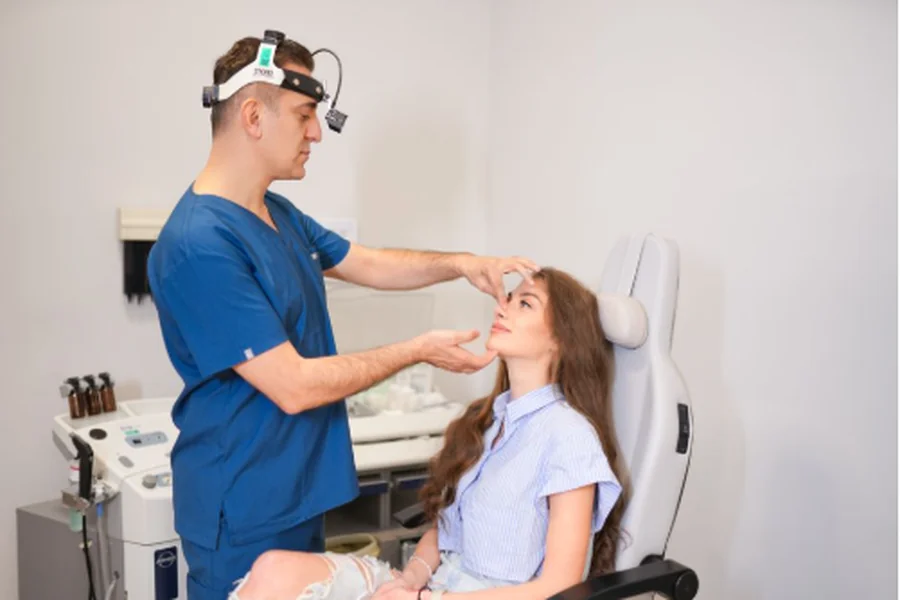
Many people view the initial consultation as a routine step before scheduling surgery. However, a thorough consultation is essential for understanding the procedure, evaluating individual concerns, and determining whether surgical treatment is appropriate. It should focus on a detailed facial assessment rather than simply discussing the expected cosmetic results.
An experienced surgeon should evaluate facial proportions, skin laxity, neck contours, platysmal banding, cheek descent, and previous cosmetic treatments. They should also explain the procedure’s limitations, potential complications, and whether additional treatments may be necessary. Promises of dramatic results without a proper assessment or discussion of surgical risks should be approached with caution.
During the consultation, ask about incision placement, anesthesia, recovery timelines, and how surgical scars are expected to heal over time. Reviewing before-and-after photographs taken under consistent lighting and angles can also help you assess the surgeon’s work. A comprehensive consultation should provide clear answers, realistic expectations, and enough information to make a confident, informed decision.
What to Expect During Recovery After a Facelift
Although successful facelift results often appear natural and subtle, the recovery process requires time, patience, and proper care. Seeing fully healed results may create the impression that recovery is straightforward. However, understanding the healing timeline is essential for setting realistic expectations and planning your daily activities.
During the first one to two weeks, patients commonly experience swelling, bruising, tightness, numbness, and temporary sleep disturbances. While recovery varies from person to person, many individuals need at least two weeks before feeling comfortable returning to social activities. Complete healing takes longer.
Certain activities must also be limited during the initial recovery period. Strenuous exercise, heavy lifting, bending, alcohol consumption, smoking, and some skincare treatments may interfere with healing or increase the risk of complications. Individuals with demanding work schedules, frequent social commitments, or childcare responsibilities should make appropriate arrangements beforehand.
Why Natural-Looking Results Matter in Facial Rejuvenation
Most individuals considering a facelift want to achieve a younger, more refreshed appearance without significantly changing their natural facial features. The goal is often to reduce visible signs of aging, such as sagging skin, tired-looking facial contours, and loss of definition.
A well-performed facelift should enhance facial contours while preserving the individual’s natural appearance. Facial expressions, smile characteristics, and overall proportions should remain recognizable. Improvements in cheek position and jawline definition should complement the patient’s bone structure, age, and existing facial features rather than create an overly tightened or unnatural appearance.
Achieving balanced results requires considering the face as a whole. Addressing sagging in the lower face without evaluating the neck, eyelids, skin texture, and facial volume may produce improvements that appear incomplete or disproportionate. Experienced surgeons therefore focus on facial harmony, appropriate tissue repositioning, and realistic outcomes. The aim is not simply to tighten the skin but to achieve a refreshed appearance that remains consistent with the individual’s natural features.
How a Facelift Fits Into a Long-Term Facial Aging Plan
A facelift does not stop the natural aging process. Instead, it repositions facial tissues to create a more youthful appearance while allowing the face to continue aging naturally. Although surgical improvements can last for years, maintaining the results requires consistent skincare, healthy lifestyle habits, and appropriate follow-up treatments.
Daily sun protection, a suitable skincare routine, stable body weight, and avoiding nicotine can help preserve skin health and support long-term results. Some patients may also benefit from additional treatments, such as laser resurfacing, energy-based procedures, neuromodulators, or carefully administered dermal fillers. These treatments should complement the surgical results rather than create unnecessary changes to facial proportions.
A comprehensive approach to facial rejuvenation considers several factors, including tissue position, skin elasticity, pigmentation, facial volume, and lifestyle habits. Addressing these concerns together can help maintain a balanced, natural-looking appearance as the face continues to age.
What to Remember Before Making Any Decision
A deep plane facelift has gained attention because it addresses age-related facial changes at a structural level rather than focusing solely on tightening the skin. Before considering this procedure, it is important to understand how it works, who may benefit from it, what recovery involves, and how to choose a qualified surgeon.
Making an informed decision requires more than reviewing social media posts or before-and-after photographs. Look for a surgeon who provides clear medical explanations, demonstrates consistent surgical results, and discusses realistic expectations. A thorough assessment of your facial anatomy, overall health, and individual concerns is essential for determining whether the procedure is suitable for you.