- Key Takeaways
- Why the Writing Process Works Well in Second Grade
- Step One: Help Students Find a Strong Idea
- Simple Brainstorming Prompts
- Step Two: Turn the Idea Into a Simple Plan
- Step Three: Draft Without Chasing Perfection
- Step Four: Add Details and Revise
- Step Five: Use a Short Editing Checklist
- Step Six: Build Helpful Peer Conversations
- Ways to Support Different Learners
- Writing Ideas Across the School Day
- A Simple Five-Day Classroom Plan
- Share Finished Writing
- Keep the Process Clear and the Ideas Big
Key Takeaways
- A repeatable process helps second graders approach writing with more confidence.
- Students benefit from short, focused writing sessions with a clear purpose.
- Planning can include pictures, keywords, labels, or simple sentences.
- Revision should begin with ideas and details before editing spelling and punctuation.
- Peer conversations work best when feedback is kind, specific, and brief.
- Sharing finished work gives students a meaningful reason to improve it.
Second graders have plenty of ideas to share, from imaginative stories and personal experiences to observations about the world around them. The challenge is turning those thoughts into writing that readers can follow and understand. With practice, students can learn to express their ideas clearly, add meaningful details, and create pieces that reflect their creativity and growing skills.
Teachers can encourage this development by offering engaging prompts and activities that make writing approachable. Opportunities to explore different topics help students discover what they want to say and build confidence in sharing their thoughts. This page of second grade writing activities can provide inspiration for lessons that encourage students to develop their ideas and take pride in their writing.
Why the Writing Process Works Well in Second Grade
A visible sequence helps young writers know what to do next. Instead of trying to think of an idea, organize it, spell every word correctly, and use punctuation all at once, students can focus on one job at a time. The same process can support a personal story, a how-to piece, a report about an animal, a poem, or an opinion letter.
Writing routines can also make room for students’ family experiences, interests, and language knowledge. Teachers who want to think more deeply about student talk and shared language resources can explore how multilingualism shapes writing interactions while building classroom practices that welcome every writer’s voice.
Step One: Help Students Find a Strong Idea
Good writing often starts with a small, familiar subject. Rather than asking students to write about “summer” or “animals,” invite them to choose one moment, question, or topic they know well. A lost tooth, a favorite playground game, a surprising science observation, or an unusual pet can lead to focused writing.
Simple Brainstorming Prompts
- What is something you know how to do?
- What happened that made you laugh, worry, or feel proud?
- What question would you like to answer?
- What place, book, hobby, or animal could you explain?
- What is one change you would like to see at school?
Let students make a quick sketch, create a word list, use a word bank, or talk with a partner before drafting. Speaking an idea aloud often helps a child find the first sentence.
Step Two: Turn the Idea Into a Simple Plan
Planning should support writing, not replace it. Keep organizers short and flexible so students can use pictures, labels, keywords, or sentences. Choose a format that matches the kind of writing students are doing:
- Three-box plan: Beginning, middle, and ending for a story.
- Question plan: Who, what, where, when, why, and how for an explanation.
- Fact web: A central topic with details branching outward.
- Opinion ladder: An opinion, reasons, an example, and a closing thought.
Step Three: Draft Without Chasing Perfection
Set aside a quiet block for drafting and remind students that writers keep moving even when a word is hard to spell. They can leave a blank, stretch out the sounds they hear, or ask for help later. During quick conferences, ask questions such as, “What happened next?” or, “What do you want your reader to understand?”
For example, “I went to the park” can become stronger when a student adds where the park was, who came along, what they did, and how the experience felt. Praise clear ideas, specific details, and persistence before focusing on corrections.
Step Four: Add Details and Revise
Details help readers picture an event or understand a topic. Invite students to add actions, sounds, colors, feelings, dialogue, facts, and reasons. Questions such as “What did it look like?” and “Why does this matter?” can prompt useful additions.
Teach revision as one small, useful change. Students can read their draft aloud, circle one unclear sentence, add one detail, replace one repeated word, or move one sentence to a better place. Explain that revising improves meaning, while editing checks conventions such as capitals, spelling, spaces, and punctuation.
Step Five: Use a Short Editing Checklist
A long checklist can overwhelm a young writer. Select three or four checks that match the day’s lesson:
- Does each sentence begin with a capital letter?
- Does each sentence end with punctuation?
- Are names and places capitalized?
- Did I leave spaces between words?
- Did I write a clear ending?
Step Six: Build Helpful Peer Conversations
Partner feedback should guide the writer, not take over the piece. Use a simple routine: the writer reads aloud, the partner names one part that was clear or interesting, the partner asks one helpful question, and the writer chooses whether to make a change.
Sentence starters keep the talk focused: “I could picture…,” “One detail that stood out was…,” “I wanted to know more about…,” and “You could explain…” Model these responses before asking students to use them independently.
Ways to Support Different Learners
Offer picture cards, oral rehearsal, sentence frames, shared writing, or speech-to-text when students need support getting ideas onto the page. Give advanced writers options such as adding dialogue, captions, comparisons, sections, or stronger word choices. Small groups can provide extra practice with sequencing, sentence building, or rereading.
Writing Ideas Across the School Day
- Science: Explain an experiment, habitat, or weather observation.
- Reading: Recommend a book and support the opinion with reasons.
- Social Studies: Describe a community helper, local place, or tradition.
- Math: Explain the steps used to solve a problem.
- Art and SEL: Describe a design choice, a feeling, or a fair solution to a problem.
A Simple Five-Day Classroom Plan
- Day one: Introduce the topic and collect ideas.
- Day two: Choose an idea and make a brief plan.
- Day three: Draft with teacher support.
- Day four: Add details and complete a partner review.
- Day five: Edit, share, display, or read finished work aloud.
Share Finished Writing
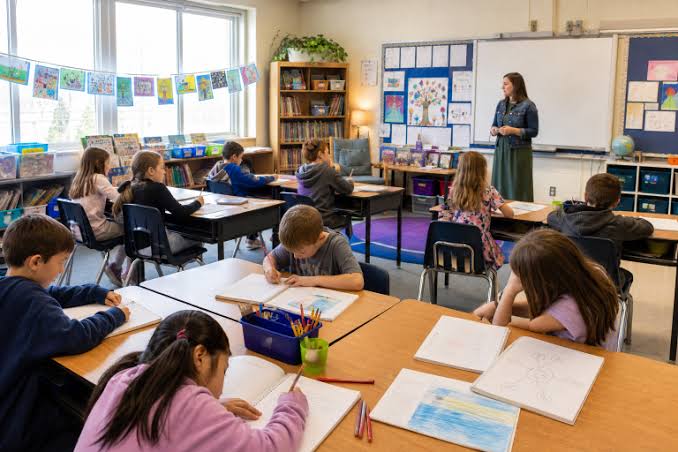
Create a reading wall, host an author celebration, record students reading their work, invite family responses, or collect related pieces in a class book. A classroom example of students combining research, discussion, notes, visuals, and writing appears in a second-grade writing workshop classroom. Sharing gives students a real audience and a reason to reread their work carefully.
Keep the Process Clear and the Ideas Big
Second-grade writing grows through steady practice, clear steps, supportive conversations, and meaningful reasons to write. Students do not need complicated systems. They need time to think, tools to plan, permission to make mistakes, and readers who care about what they have to say.