
- Table of Contents
- How Heat Pumps Work in Plain Terms
- Why Heat Pump Maintenance Matters
- Warning Signs That Need Attention
- A Simple Homeowner Maintenance Checklist
- Monthly Tasks
- Seasonal Tasks
- Tasks Best Left to a Technician
- Repair or Replace? How to Decide
- What to Check Before Choosing a New System
- Ways to Improve Comfort and Efficiency
- When Professional Service Makes Sense
- Common Heat Pump Questions
- How Often Should a Heat Pump Be Serviced?
- Why Is My Heat Pump Running Constantly?
- Why Is the Outdoor Unit Iced Over?
- How Long Does a Heat Pump Last?
- Final Takeaway
Table of Contents
- How Heat Pumps Work in Plain Terms
- Why Maintenance Matters
- Warning Signs That Need Attention
- A Simple Homeowner Checklist
- Repair or Replace?
- Choosing a New System
- Improving Comfort and Efficiency
- When to Call a Professional
- Common Questions
In Katy, Texas, a heat pump often works through long stretches of hot, humid weather, then shifts into heating mode during the area’s occasional cold snaps. That year-round workload makes simple upkeep especially important. Homeowners researching heat pump installation and service in Katy Texas can make better decisions when they understand what normal operation looks like, what symptoms need attention, and when a repair may no longer be the practical choice.
A heat pump is not just the cabinet outside. Indoor airflow, ductwork, insulation, thermostat settings, drainage, and electrical components all affect comfort. Taking a whole-home approach can help Katy households reduce preventable strain on the system and avoid guessing when indoor temperatures no longer match the thermostat.
How Heat Pumps Work in Plain Terms
Unlike a combustion furnace, a heat pump uses electricity to move heat. In cooling mode, it transfers heat from inside the house to the outdoors. In heating mode, it draws available heat from outdoor air and brings it indoors. The basic heat-pump process of transferring heat rather than generating it is what allows a single system to provide both heating and cooling.
The outdoor unit, indoor coil, refrigerant, blower, thermostat, and reversing valve must work together. The reversing valve changes the direction of refrigerant flow between heating and cooling. A heat pump may run longer than a traditional furnace, particularly during challenging weather, and longer operation is not automatically a problem. However, prolonged run times, combined with poor comfort, weak airflow, or rising energy use, warrant investigation.
Why Heat Pump Maintenance Matters
Katy’s heat and humidity can quickly expose airflow and drainage problems. A dirty filter, a blocked return grille, debris around the outdoor unit, or a clogged condensate drain can cause the equipment to work harder than necessary. Regular maintenance supports more even temperatures, helps the system manage indoor humidity during cooling season, and gives a technician an opportunity to spot wear before it becomes a no-cooling emergency.
Routine care also provides a clearer basis for repair decisions. If a system has clean filters, clear airflow, and documented service but still struggles, the diagnosis is more likely to identify the real mechanical or electrical issue rather than a simple maintenance problem.
Warning Signs That Need Attention
One symptom can have several causes, so it is best not to assume that an expensive part has failed. Still, these signs are worth noting and reporting accurately:
- Weak airflow from supply vents or rooms that feel noticeably uneven.
- A system that turns on and off repeatedly, also called short cycling.
- Operation that continues for long periods without reaching the selected temperature.
- New rattling, buzzing, grinding, or loud humming sounds.
- Water around the indoor equipment or a visible drain problem.
- Persistent ice on the outdoor unit, especially during mild weather.
- A sudden change in electricity use that matches declining comfort.
- A burning smell, smoke, or a breaker that trips more than once.
A Simple Homeowner Maintenance Checklist
Monthly Tasks
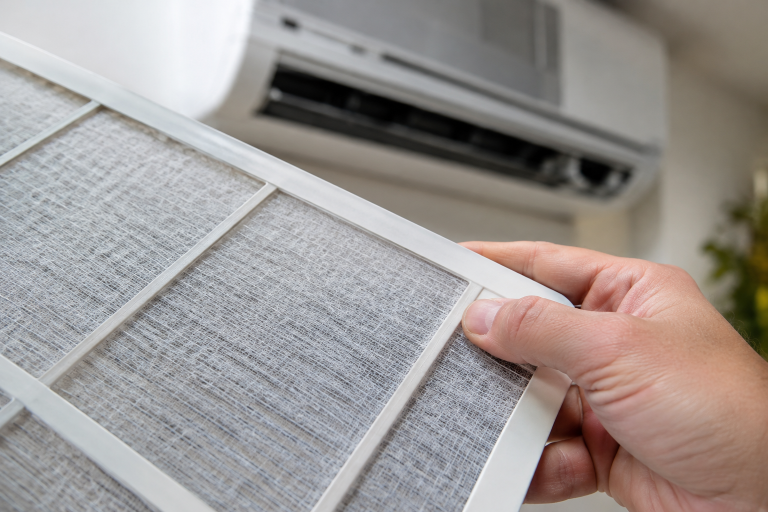
- Inspect the air filter and replace or clean it as needed, following the equipment instructions.
- Keep supply vents and return grilles open and free of rugs, furniture, and curtains.
- Clear leaves, grass clippings, and loose debris from around the outdoor unit without bending its coil fins.
- Look for water near the indoor unit or signs that the condensate drain is not flowing properly.
Seasonal Tasks
- Review thermostat schedules before summer heat or a winter cold front arrives.
- Listen for unfamiliar sounds in both heating and cooling modes.
- Check the outdoor cabinet for visible damage and keep landscaping from restricting airflow.
- Make a note of persistent comfort issues, error messages, or unusual energy bills.
Tasks Best Left to a Technician
Refrigerant testing, electrical diagnosis, capacitor replacement, coil cleaning that requires disassembly, and compressor or control-board work require proper tools and training. ENERGY STAR recommends regular professional checkups while also emphasizing filter care and clear indoor and outdoor equipment as practical homeowner responsibilities.
Repair or Replace? How to Decide
Age alone should not decide the outcome. A newer system with a major refrigerant leak or compressor issue may need a different conversation than an older unit with an isolated electrical repair. Use a structured approach:
- Request a written diagnosis that identifies the failed part and the expected repair.
- Ask whether the issue appears isolated or reflects a pattern of repeated breakdowns.
- Consider the system’s repair history, current comfort, and efficiency, not only its age.
- Confirm whether parts are available and whether warranty coverage applies.
- Compare the cost and expected reliability of the repair with replacement options.
A replacement discussion should also include installation quality. Proper sizing, refrigerant setup, airflow, duct condition, and thermostat configuration affect performance after the new equipment is installed.
What to Check Before Choosing a New System
For a Katy home, selecting a heat pump should begin with the home itself. Capacity should reflect the building’s size, insulation, window exposure, ductwork, and comfort needs. Oversizing can lead to frequent cycling, while undersizing may leave rooms uncomfortable in severe conditions.
- Compare heating and cooling efficiency ratings.
- Consider sound levels near bedrooms, patios, and neighbors.
- Check electrical-panel capacity and thermostat compatibility.
- Discuss backup heat needs for colder weather.
- Review warranty terms, registration steps, parts availability, and service access.
Ways to Improve Comfort and Efficiency
Equipment changes are not the only answer. Steady thermostat settings, clear return airflow, sealed air leaks, and practical insulation improvements can all support comfort. Ceiling fans can help mix air in occupied rooms, while blinds or shades can limit strong summer sun through windows. Before adding a smart thermostat, verify that it is compatible with the heat pump and any backup heat controls.
When Professional Service Makes Sense
Schedule professional help promptly when the unit will not start, the breaker repeatedly trips, ice remains on the outdoor coil, refrigerant may be leaking, or the equipment produces burning odors or severe mechanical sounds. During extreme heat or a cold snap, quick diagnosis also matters when indoor conditions could become unsafe for household members.
Common Heat Pump Questions
How Often Should a Heat Pump Be Serviced?
Many homeowners arrange a professional inspection annually. Homes with pets, heavy dust, comfort complaints, or especially demanding use may benefit from closer attention.
Why Is My Heat Pump Running Constantly?
Long run times can be normal in difficult weather. Dirty filters, restricted airflow, air leaks, incorrect sizing, thermostat issues, and mechanical faults can also contribute.
Why Is the Outdoor Unit Iced Over?
A brief defrost cycle can be normal in heating mode. Persistent or heavy ice may point to an airflow, refrigerant, sensor, or control issue and should be inspected.
How Long Does a Heat Pump Last?
Service life varies with installation quality, maintenance, operating conditions, and repair history. Consistent upkeep and timely diagnosis can help homeowners make informed decisions as the system ages.
Final Takeaway
Reliable heat pump performance in Katy depends on more than just the outdoor unit. Clean filters, open airflow, sensible thermostat use, timely repairs, and careful replacement planning can help protect comfort through humid summers and changing Texas weather.