
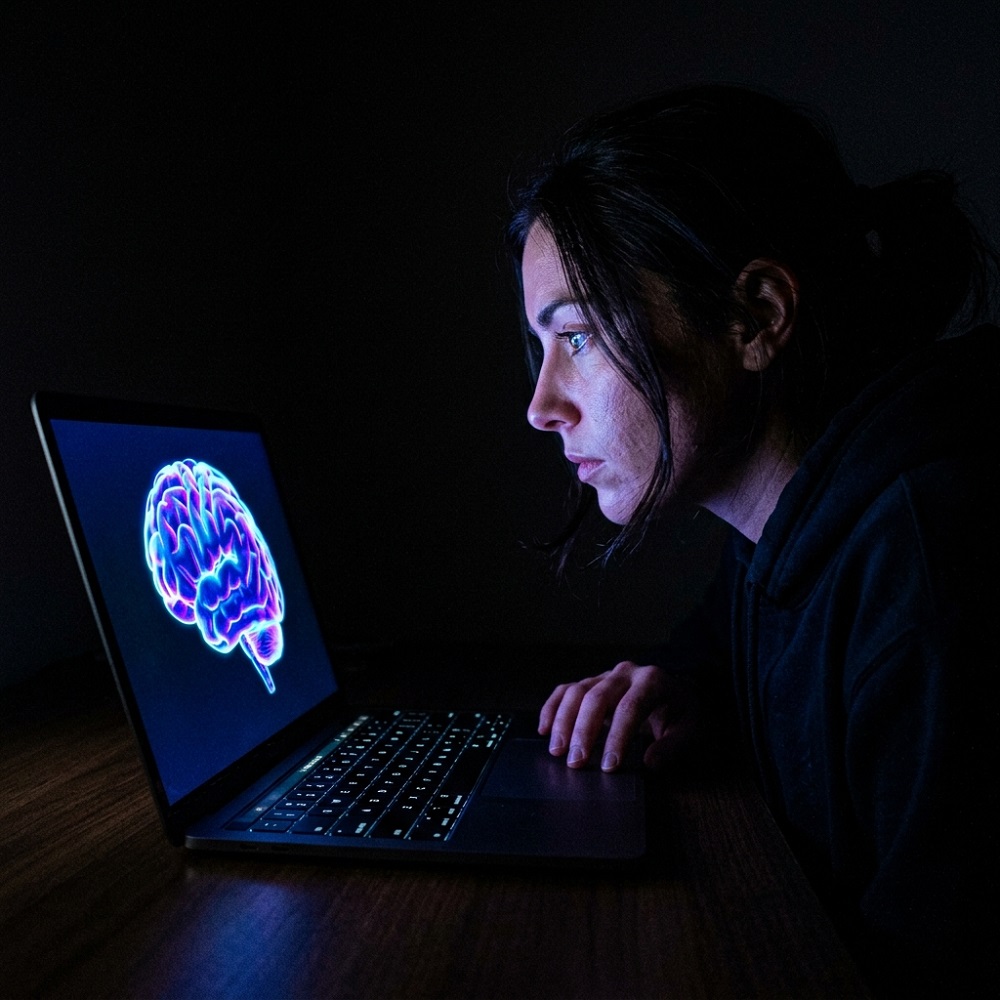
Online education has moved from a fallback option to a primary path for millions of learners. It’s no longer just a convenience for people who can’t attend campus — it’s often the better choice, for reasons that go beyond simply avoiding a commute.
- Flexibility That Fits Around Real Life
- Self-Paced Options Reduce Pressure
- Access to Programs That Wouldn’t Otherwise Be Available
- Lower Cost, Fewer Hidden Expenses
- A Wider Range of Learning Styles
- Repetition Without Awkwardness
- Building Skills That Employers Actually Value
- A Broader, More Varied Peer Group
- The Trade-Offs Worth Acknowledging
- Choosing Well
Flexibility That Fits Around Real Life
Traditional education assumes a learner with few other obligations. Most adults don’t have that luxury — they’re working, raising families, or managing responsibilities that don’t pause for a lecture schedule.
Online learning removes that conflict. Courses can be completed early morning, late at night, or in fragments between other commitments, which makes ongoing education realistic for people who would otherwise have to choose between learning and earning.
Self-Paced Options Reduce Pressure
Many online programs let learners move faster through familiar material and slower through difficult concepts, rather than forcing everyone through content at the same fixed speed. This reduces the anxiety of falling behind and prevents the boredom of being held back.
Access to Programs That Wouldn’t Otherwise Be Available
Geography used to determine your options. A specialised program offered at one university on another continent was simply unavailable to most people.
Online education erases that constraint. A student in a small town can now enrol in a specialised course from an institution thousands of miles away, taught by instructors they’d never otherwise have access to.
Lower Cost, Fewer Hidden Expenses
Online programs typically cost less than their in-person equivalents, and the savings extend beyond tuition: no relocation, no daily commuting, no campus housing, and often no requirement to purchase physical materials.
For many learners, this is what makes further education possible at all — not a preference for the format, but the only version of it that fits their budget.
A Wider Range of Learning Styles
Classroom teaching moves at one pace for everyone in the room. Online formats can support the same material through video, text, interactive exercises, and discussion forums, letting learners engage with whichever format suits how they actually absorb information.
Repetition Without Awkwardness
Rewatching a recorded lecture or rereading a module carries no social cost, unlike asking a professor to repeat something in front of a full classroom. That alone helps a meaningful number of learners retain material better.
Building Skills That Employers Actually Value
Succeeding in an online program requires a specific set of habits — self-direction, time management, and the discipline to stay on track without in-person accountability. These transfer directly to remote and hybrid work environments, which now make up a large share of available jobs.
A Broader, More Varied Peer Group
Online cohorts often draw learners from different countries, industries, and career stages, in a way a local campus rarely can. Discussion forums and group projects expose students to perspectives shaped by different professional and cultural contexts — a genuine advantage for anyone whose future work will involve people outside their immediate region.
The Trade-Offs Worth Acknowledging
Online education isn’t a universal upgrade. It demands more self-motivation, offers less spontaneous social interaction, and works better for some subjects — theory-heavy or discussion-based ones — than for others that require hands-on practice or physical equipment.
Choosing Well
The benefits are strongest for learners who are self-directed, have real scheduling constraints, or need access to programs unavailable locally. For those learners, online education isn’t a compromise on quality — it’s often the format that actually gets the learning done, which is the only kind of education that counts.